buzzfeed Press
At Just 18, Presley Regier Was Producing For Some Of Music's Biggest Stars. Now He's Ready To Tell His Own Story.
Images
1 / 11
2 / 11

3 / 11
4 / 11
5 / 11
6 / 11
7 / 11
8 / 11
9 / 11
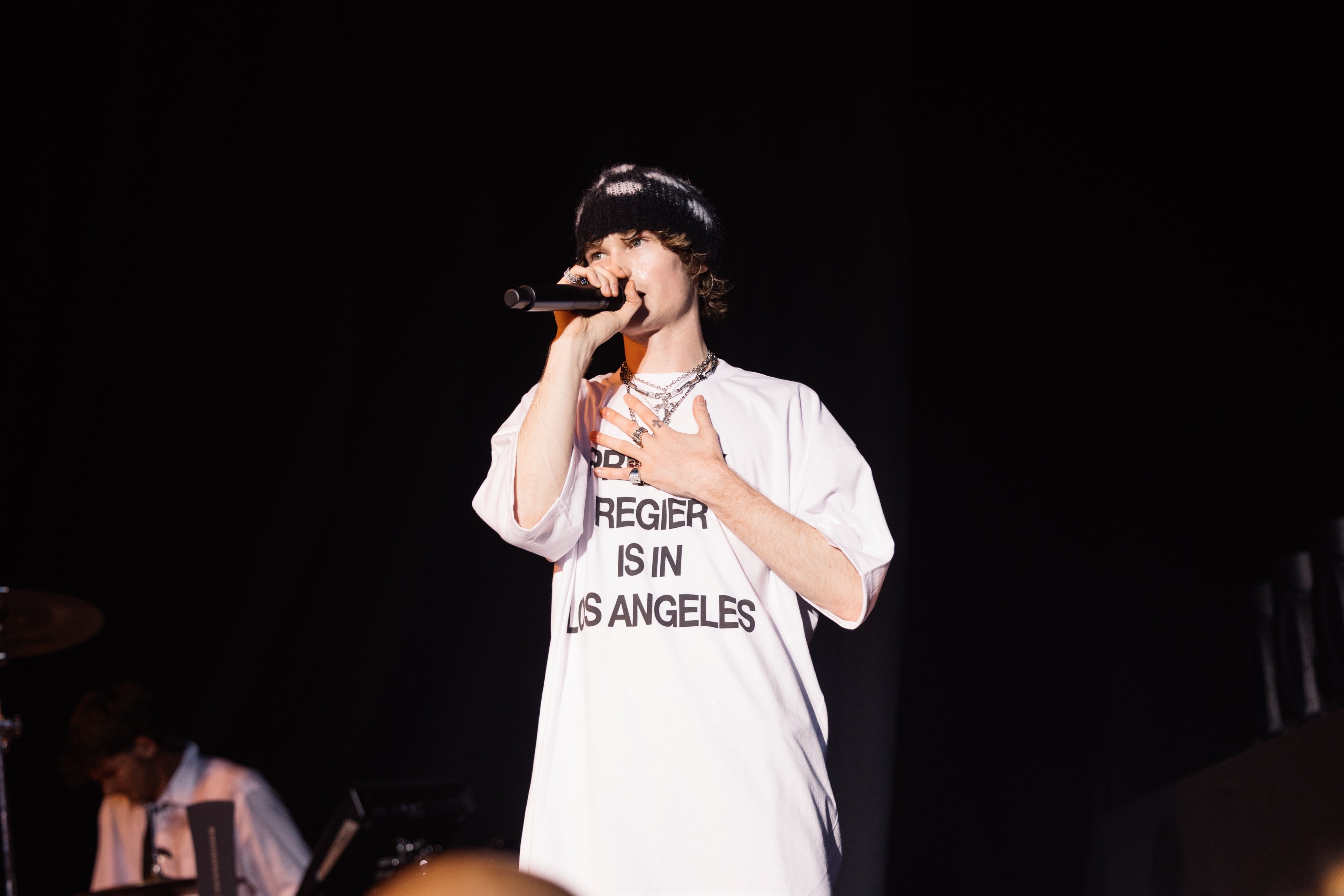
10 / 11
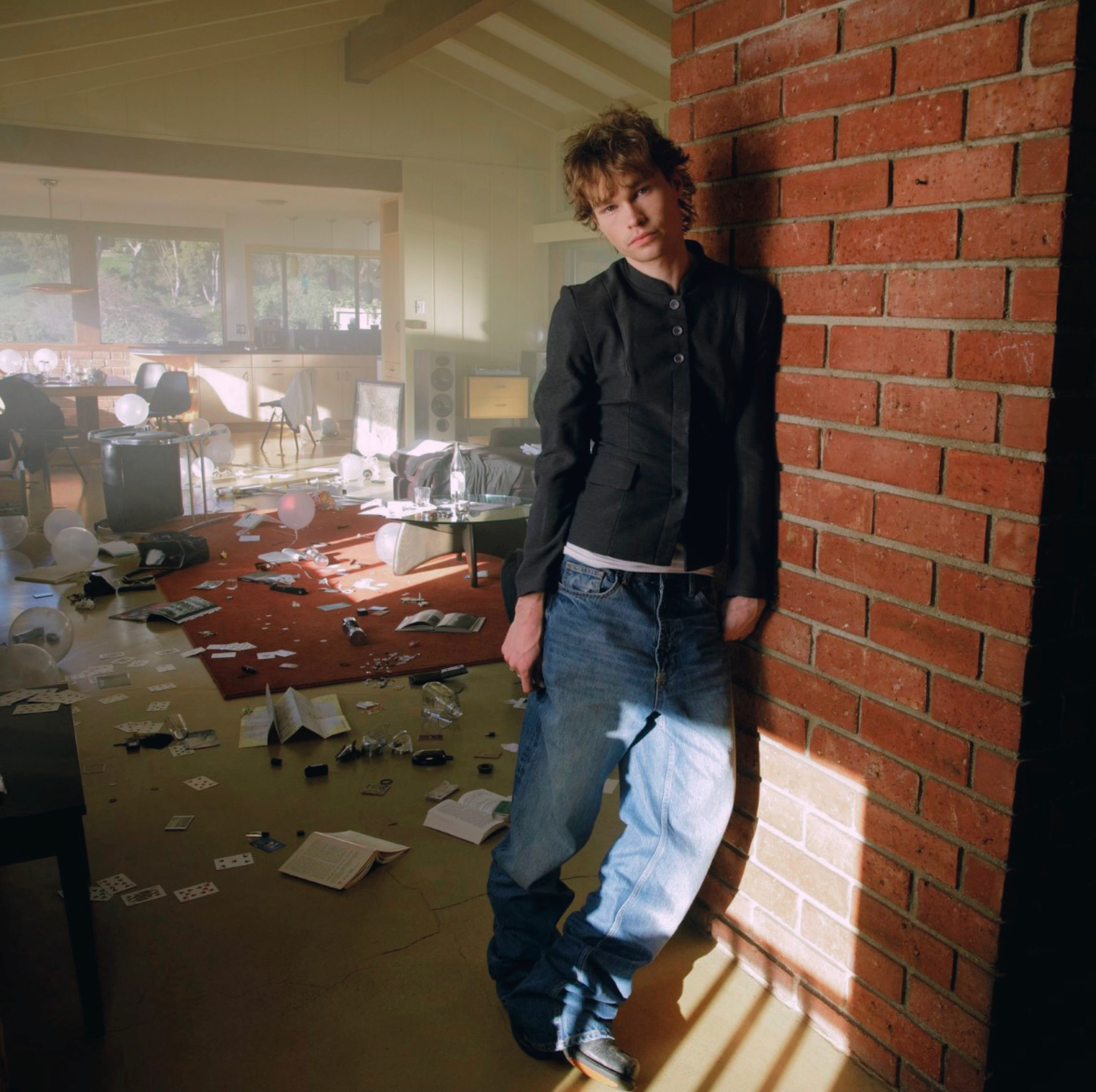
11 / 11
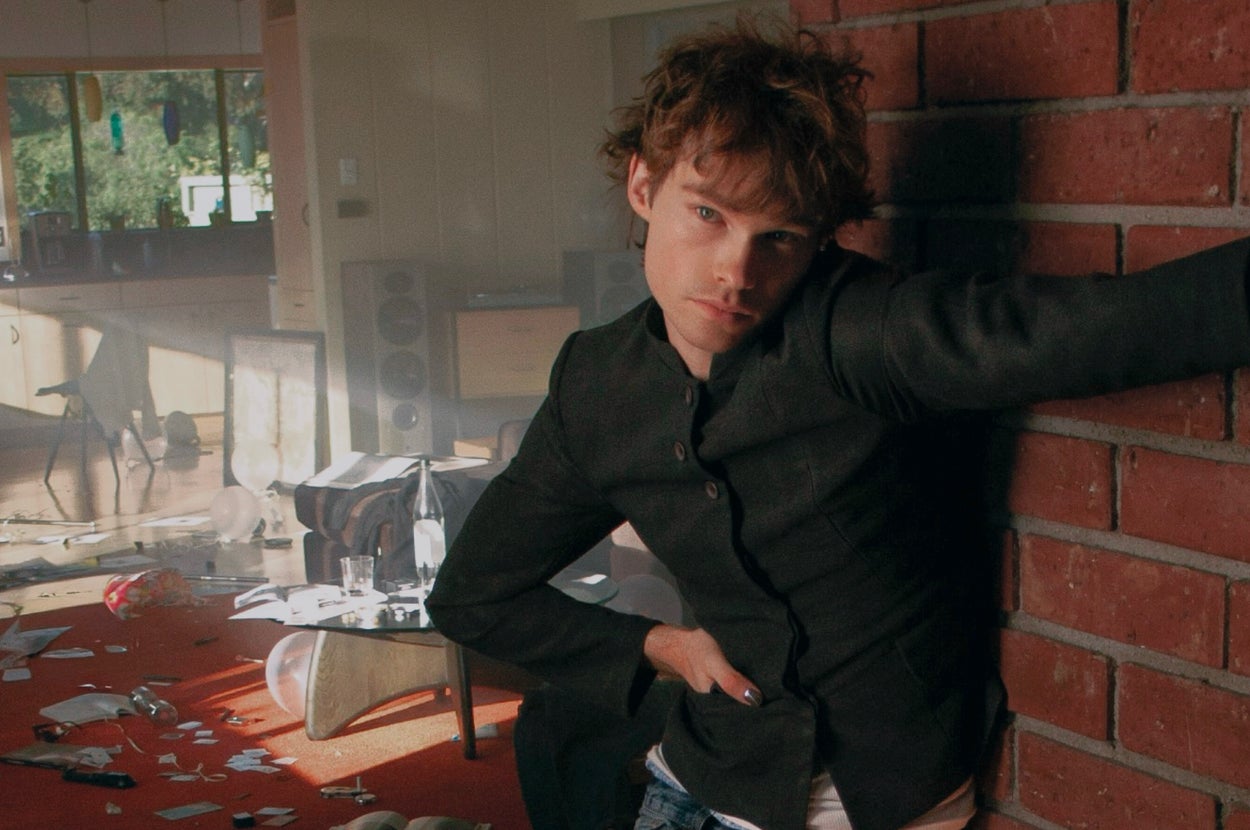
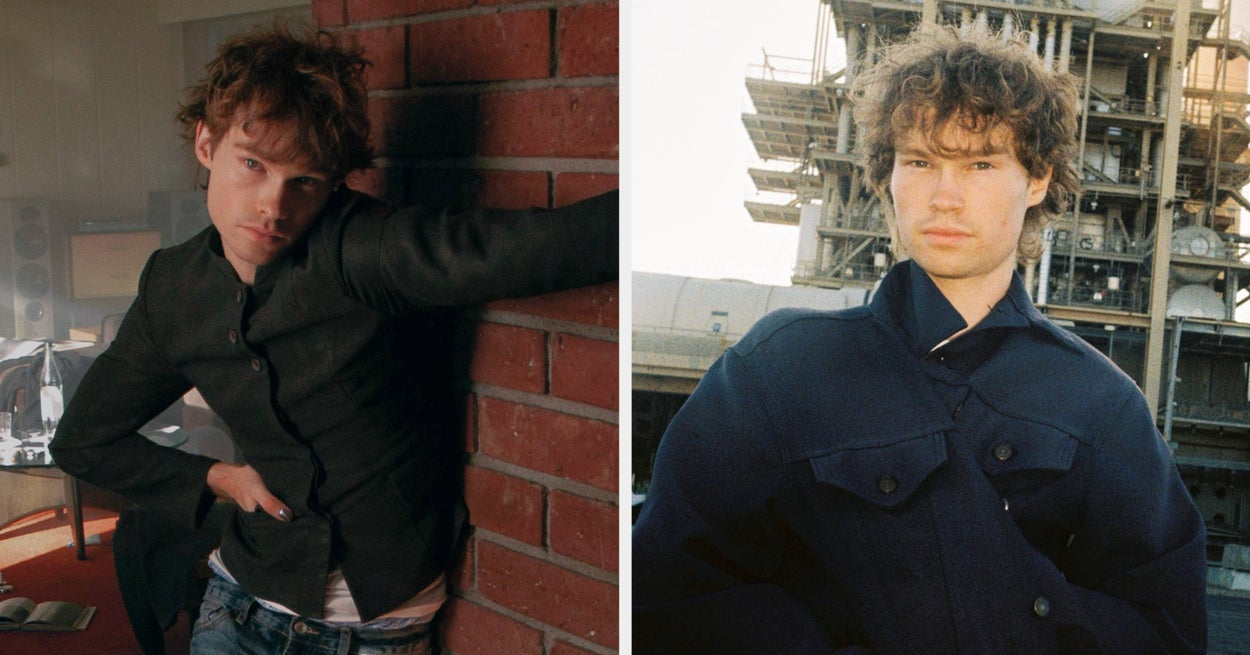
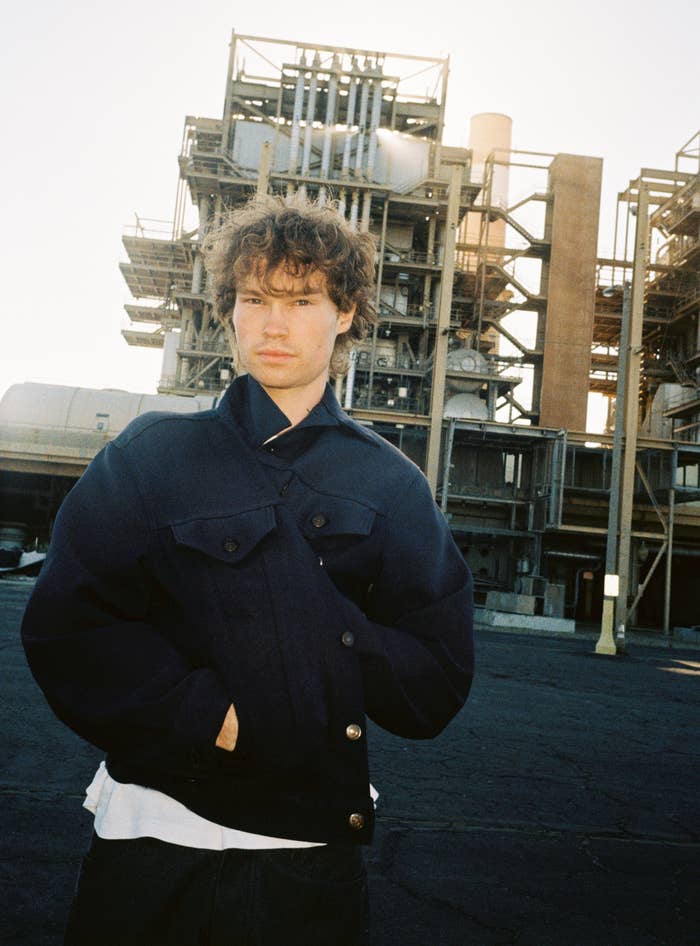
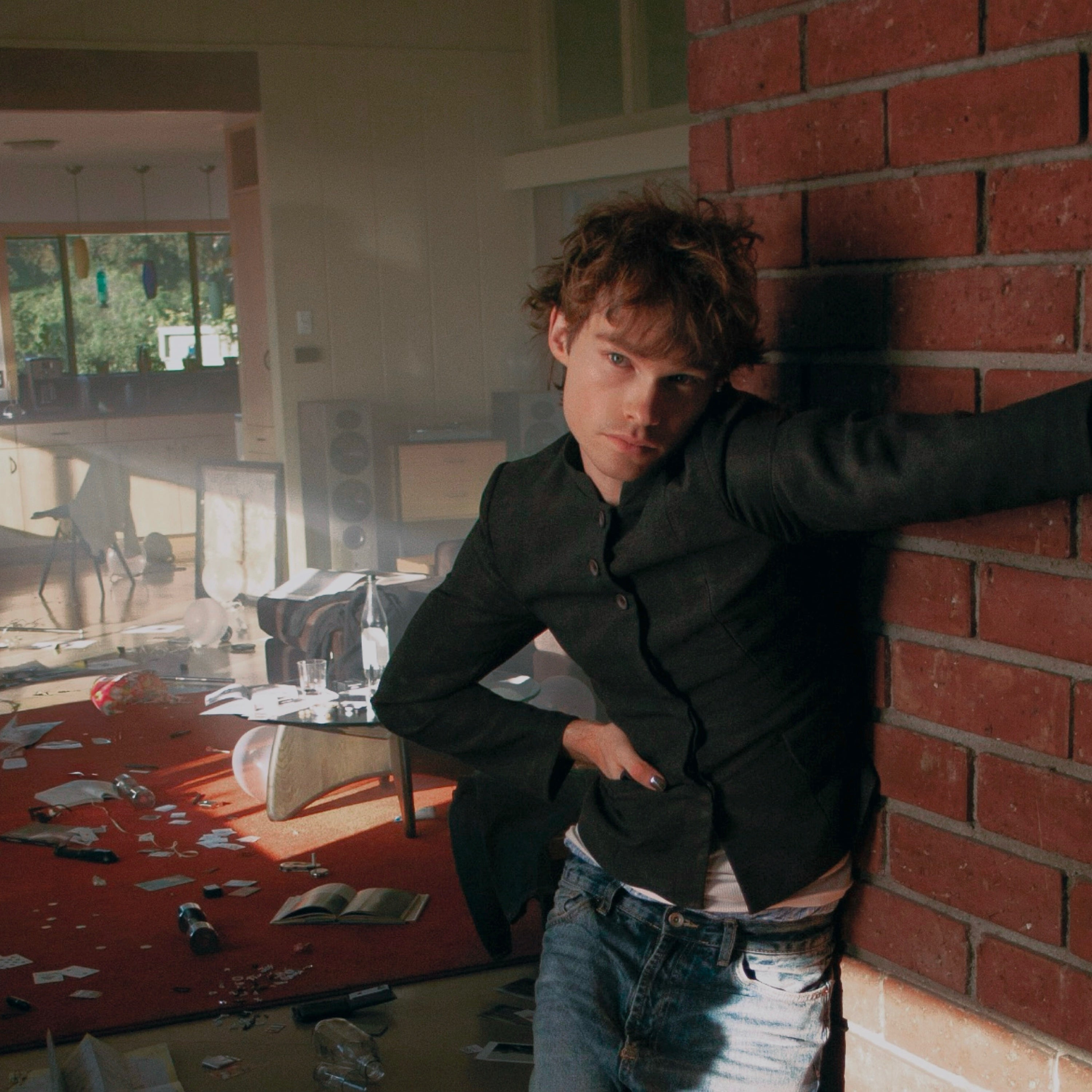
Celebrating the release of Presley’s EP, Sensitive to the room, we sat down to reflect on his journey from producer to artist, and the stories behind his most personal songs.

I’m a pop-culture writer covering everything from TV and movies, to music, Broadway, books, and games.

It's 11 a.m. on a Thursday morning when I get a text from Presley's team letting me know he's arrived at the office. I pick Presley and his manager up from the lobby, and we walk over to the room I've reserved for our chat."These are some good vibes!" he says as we sit down.

Good vibes are an accurate way to describe Presley. For someone who writes lyrics as devastating as: "It hurts knowing that you thought less of me, while I was still yours," Presley is all smiles as we start swapping stories about New York City.

Having just re-listened to Presley's new EP, Sensitive to the room, I tell him how hard the lyrics hit me. "I was shocked when I really listened to the words," I say. "These songs are so sad!"

Across the five tracks of Sensitive to the room, Presley pairs introspective songwriting with shimmering, cinematic synth-pop, evoking both euphoria and heartbreak.

"I'm definitely an insecure boy," he later tells me.

When it comes to music, though, Presley's résumé is nothing to be insecure about. A self-taught producer, he signed a production deal with Roddy Ricch on his 18th birthday and has since worked with Doja Cat, Coco Jones, Big Sean, and more.

As Presley steps into the spotlight as an artist, we discuss the making of Sensitive to the room, finding confidence in vulnerability, and why he hopes listeners leave the EP feeling a little less alone.

Note: This interview has been edited for length and clarity.

BuzzFeed: You taught yourself to produce when you were 13. Can you take me back to the beginning of that journey and what first made you fall in love with making music?

Presley: When I got into high school, I wanted to learn how to make EDM because Skrillex was the big thing at the time. All my friends and I were listening to Recess, and that album was my holy grail. I opened GarageBand and had all these remix ideas in my head, but I was having a hard time bringing them to life. Learning a DAW [Digital Audio Workstation] felt like learning a new language.At the same time, the SoundCloud era of rap was blowing up. Rap was one of my favorite genres, too, so I decided to learn how to make rap beats instead. It came much more naturally to me, and it became a creative outlet that was very fulfilling.

When did the idea of making a career out of music start taking shape?

Presley: I would go on Twitter and search "send beats to" and find anyone who had ever tweeted their email address. I'd send beats to everyone. I just wanted somebody to use them. I'd upload them to YouTube too. At that point, I didn't care about getting paid — I didn't even know producers got paid.

Things started feeling real a few years later when those Big Sean and Doja Cat credits started happening. I'd already spent about three years grinding on YouTube and Twitter without making any money. Then I met my friend Jasper Harris, who helped connect some dots, and later I met Bird, who managed Roddy Ricch. On my 18th birthday, I signed a production deal with Roddy.That was a pretty good birthday present.

How would you describe your music to someone listening for the first time?Presley: I'd say it's very cinematic, nostalgic, retro, and synth-driven. It's emotional, for sure. I always come back to the word cinematic. Everything has to feel like a coming-of-age movie in my head. I want the synths right in your face. I want them to hit you immediately.Lyrically, my biggest inspirations are probably Cigarettes After Sex, The Smiths, and I've been listening to a lot of Audrey Hobert recently. All three of them say exactly what they mean while still making it feel poetic.Sensitive to the room was co-produced by Luka Kloser, who also helped shape Addison Rae's debut project. How did the two of you first connect, and what did you learn from working with her?Presley: Luka and I first connected while the Addison [album] was rolling out. We'd both expressed that we were fans of each other's work, but she was obviously in the thick of finishing that album. One morning in October, I just cold FaceTimed her. We ended up talking for about 45 minutes, and I sent over some demos.

"Why Am I Here" was one of the first songs we started dialing in, and she immediately understood the world I was trying to build. The biggest thing Luka has taught me is to take risks and see ideas all the way through. As someone who is sensitive, it's easy for me to start an idea and immediately shut it down.

She's great at helping me bypass all of that and create in the moment. To try every snare, every lyric, every melody. She really understands that retro '80s and '90s-inspired world because that's in the work she did with Addison, too. She's incredible.One thing that really stood out to me on the EP was the songwriting. A lot of the songs touch on insecurity and comparison. Can you talk about where those themes come from?Presley: I'm definitely an insecure boy, and I compare myself to people. An hour from now, I'll probably walk down the street, see somebody's outfit, and immediately think, "That's better than mine." Or I'll get really insecure about my appearance and start comparing myself in a million different ways. (Laughs) Not my nails though — the nails are the one thing I got on everybody.

That's where those lyrics come from. It's me looking at someone and thinking, "That's better than me. What would happen if I had that instead?"I'm not afraid to talk about those insecurities, and I hope that allows others who might be scared to talk about theirs to relate to it.I love the line in "Buy Me a Car" when you name-drop yourself: "Presley, what would you do? If your friend jumped off a bridge, then would you jump too?"Presley: I also love that part of the song. Growing up, my mom used to ask me that question all the time: "If your friend jumped off a bridge, would you jump too?"I liked the contrast between the answer everyone gives as a kid and the answer you'd give in a romantic situation. In that context, it's like, "Yeah, I'd do anything for you. I'd jump off a bridge for you."I don't think I'd ever name-dropped myself in a song before, but it ended up being a really fun moment.

Do you have a favorite lyric on the project?Presley: That's a really good question. One of my favorites is in "Never Want Me Back": "All the lies I looked past and the tears that I hid just to decorate the situation different."

I love that line because I'm a people pleaser. I love seeing the people around me happy, and sometimes that means I'll look past things people say to me or ignore emotions I'm feeling. I'll convince myself everything is fine. I'll decorate the situation differently.

I love the word "decorate" in that lyric. You decorate for a party because you want it to feel exciting and special. Without those decorations, it doesn't feel the same. That idea really connected with me.

I'm proud of the writing on this project. I feel like I'm finally understanding my own lyrical world and what I want these songs to say.What's your perspective on the current pop landscape, and what do you feel you're bringing to the space?

Presley: The male pop space feels a bit dry right now. There are so many cool pop girls coming out, like Addison and Sienna Spiro, and they all really inspire me. I opened for Tate McRae in 2024, and it was very inspiring to watch her be so confident on stage. She's also the sweetest human ever, and was always looking out for me. I really respect and hold a special place in my heart for Tate.

As far as what I'm bringing, I think one thing is the perspective of starting as a producer. I'm deep in the weeds of the production, and I pay attention to every detail. I want the songs to feel emotional even before there are lyrics.

I also think I'm bringing '80s synths into pop in a fresh way. There aren't a lot of guys making synth-driven music right now, and I'd love to help pioneer that.Looking back at your journey, do you feel like becoming an artist was always in the cards?Presley: Deep down, I think it was always in the cards for me. I'd always been writing songs. I even had a band when I was nine years old with my best friend and his little brother.I think what held me back was that being an artist felt really daunting. The kind of artist I want to be requires me to be completely raw and honest. My music is very directly tied to how I feel and how I process things.

Making that jump from producer to artist was scary because I knew people were going to start looking at me differently. It definitely took a push. But when I look back on it now, I think it was always where I was supposed to end up.

Finally, what do you hope listeners take away from Sensitive to the room after they've spent time with it?Presley: For the longest time, I almost called this project Dance and Cry. That's genuinely going to be the mission statement for the live shows. I want people to feel free to jump around, have the best time ever, and then suddenly be hit with a lyric that makes them feel everything. That's the dream.I want people to be able to confide in the music. I want them to feel like somebody else understands what they're going through. If someone walks away from this project feeling seen, understood, or a little less alone, then I've done what I set out to do.Sensitive to the room is out now. Keep up with Presley on Instagram and TikTok, @presleyregier.