yahoo Press
Was there an earthquake in Maryland today? Map shows where
Images
1 / 7
2 / 7

3 / 7

4 / 7
5 / 7

6 / 7

7 / 7
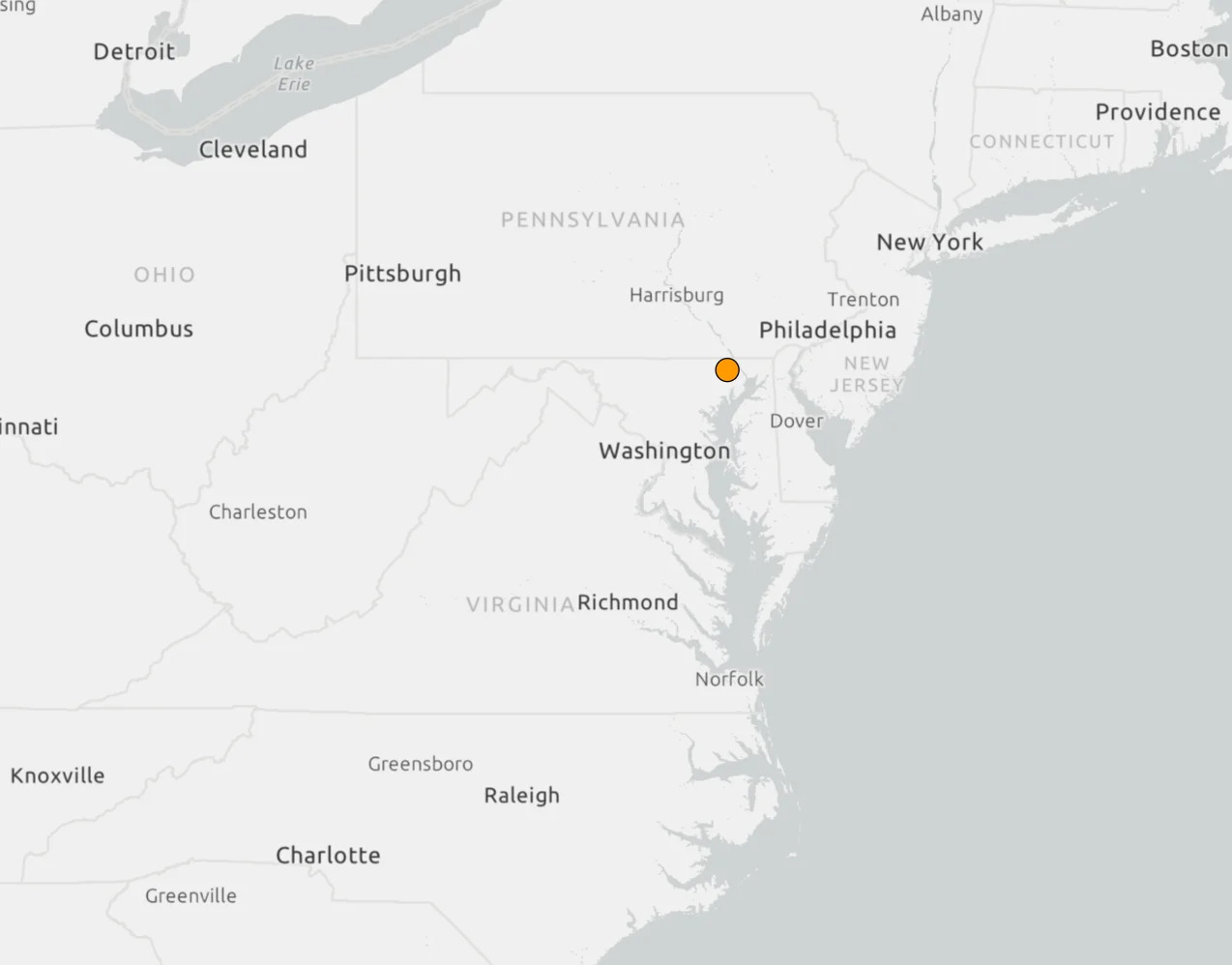
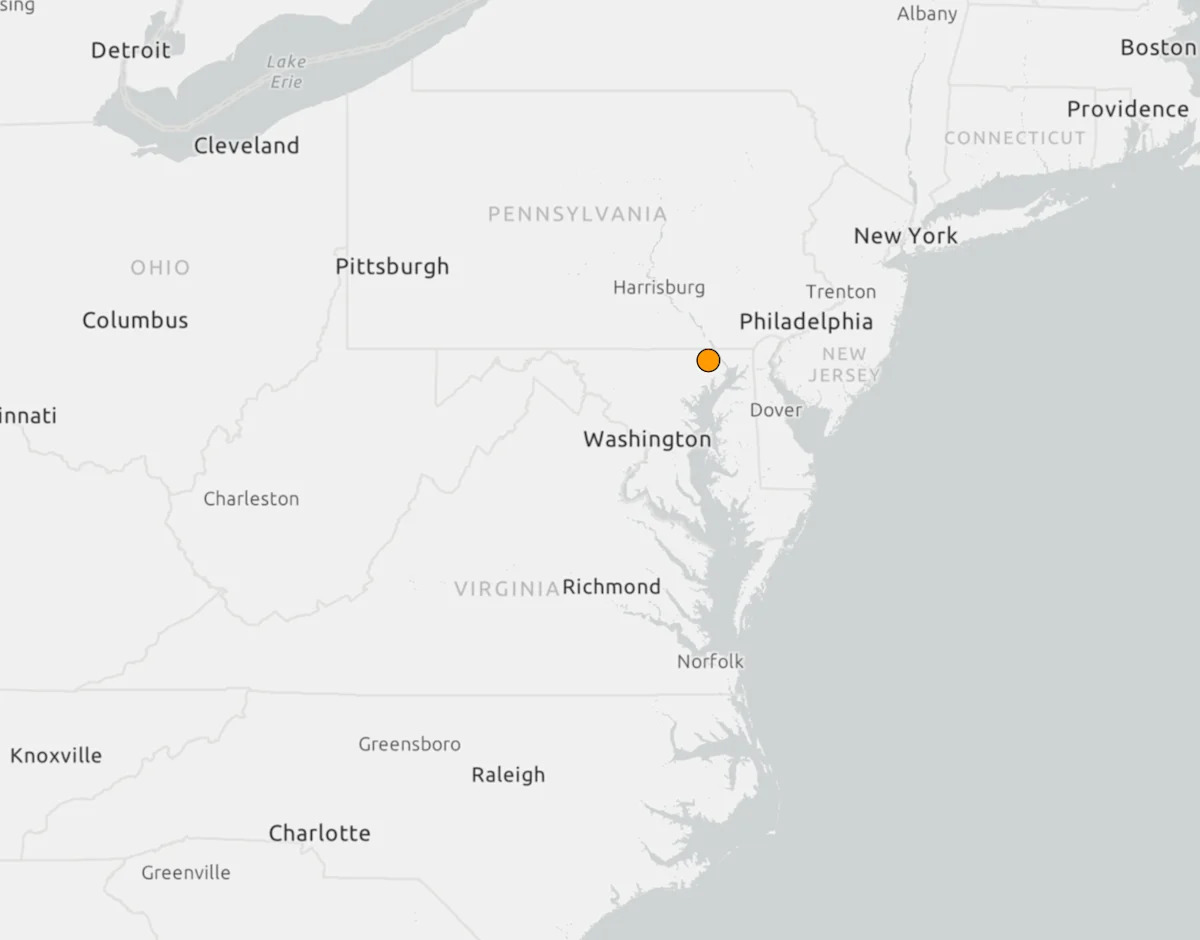
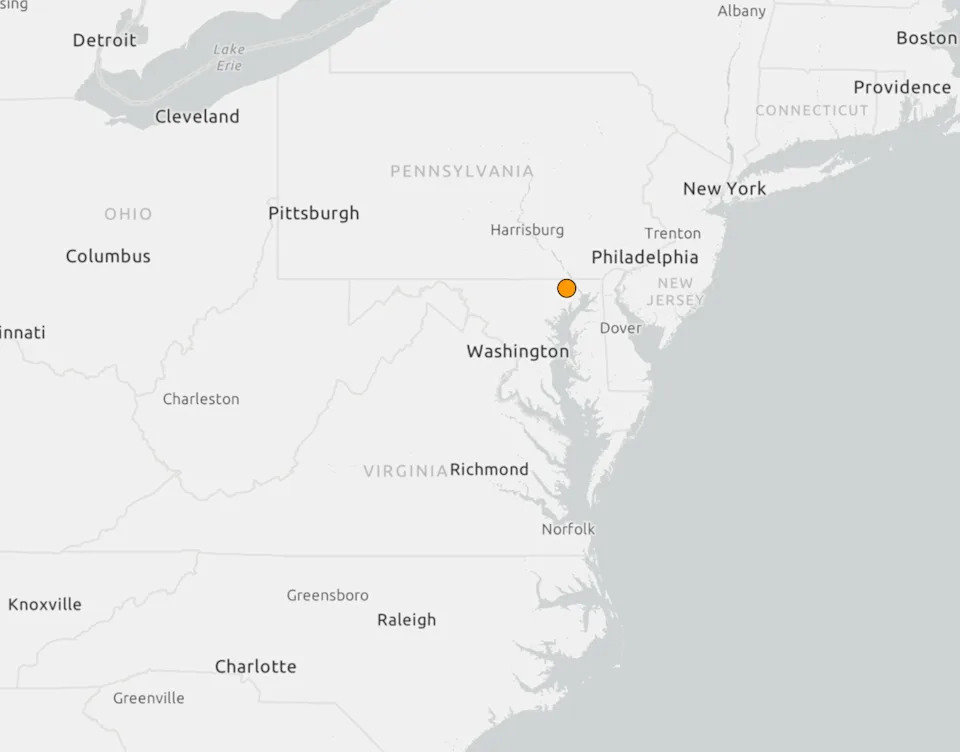
A small earthquake rattled parts of Maryland on June 15, surprising residents across Harford County and the Bel Air area, according to preliminary data from the U.S. Geological Survey.

The quake was minor in magnitude — reported around 2.4 — but was shallow enough to be felt by people in nearby communities, where residents described brief shaking and a sudden jolt.

There were no immediate reports of damage or injuries, and no emergency alerts were issued. Earthquakes of this size are typically too small to cause structural impacts, though they can still be felt, especially when centered at shallow depths.

The tremor appeared to be centered near Bel Air in Harford County, an area not known for frequent seismic activity. Maryland sits well outside the country’s major fault zones, though small, infrequent quakes do occasionally occur along older, buried fault systems in the eastern U.S.

Seismologists note that small earthquakes like this are relatively rare in the Mid-Atlantic, but not unusual enough to raise concern on their own. The area’s geology can occasionally produce brief, low-magnitude events that are felt but not destructive.

More: San Andreas Fault stress hits 1,000-year high in Southern California

There are four types of earthquakes, according to the United Nations:

Tectonic earthquakes

Volcanic earthquakes

Collapse earthquakes

Explosion earthquakes

The Earth has four layers: the inner core, outer core, mantle and crust. The crust and top of the mantle make up another area called the lithosphere, which acts like a skin surrounding the Earth's surface.

The lithosphere, however, is not in one piece and exists like a puzzle or series of fragments, according to the USGS. These parts of the lithosphere are not stationary and move slowly. These are called tectonic plates.

As the tectonic plates move and shift past one another, they occasionally bump or collide. This places stress on the plates' edges. When the stress becomes too great, it creates cracks called faults. The point where these faults move against each other is called the fault line.

When there is too much friction between the fault lines, energy is released suddenly.

Earthquakes are not predicted. Neither the U.S. Geological Survey, nor scientists, have predicted a major earthquake, and there's no expectation for that to change in the near future.

While it might seem like earthquakes are happening more often, especially with real-time alerts and widespread media coverage, the overall rate of earthquakes has remained relatively stable over time.

According to the U.S. Geological Survey, any year may appear more active due to improvements in technology that allow scientists to detect more small quakes than in the past — not because there are actually more earthquakes occurring.

Long-term global records dating back to 1900 show that the Earth averages about 16 major earthquakes (magnitude 7.0 or greater) each year — typically 15 in the 7.0 range and one magnitude 8.0 or higher. In 2024, there were 10 earthquakes of magnitude 7.0 or greater, the strongest being a 7.5 in Japan.

However, the risk of being affected by an earthquake is growing because of increasing human and economic exposure and the number of assets being built in high earthquake hazard areas, the Federal Emergency Management Agency said in a report in 2023.

Contributing: Olivia Munson, USA TODAY

Brandi D. Addison covers weather across the United States as the Weather Connect Reporter for the USA TODAY Network. She can be reached at baddison@gannett.com.

This article originally appeared on USA TODAY: Earthquake reported in Maryland. Map shows where it struck