buzzfeed Press
Broadway’s Mysterious "Masquerade": 7 Fascinating Stories Behind The Immersive "Phantom" Experience
Images
1 / 11
2 / 11

3 / 11
4 / 11
5 / 11
6 / 11
7 / 11
8 / 11
9 / 11
10 / 11
11 / 11
“The lyrics of ’Music of the Night’ became the production’s mission statement: ’Close your eyes and surrender to your darkest dreams.’”

I’m a pop-culture writer covering everything from TV and movies, to music, Broadway, books, and games.

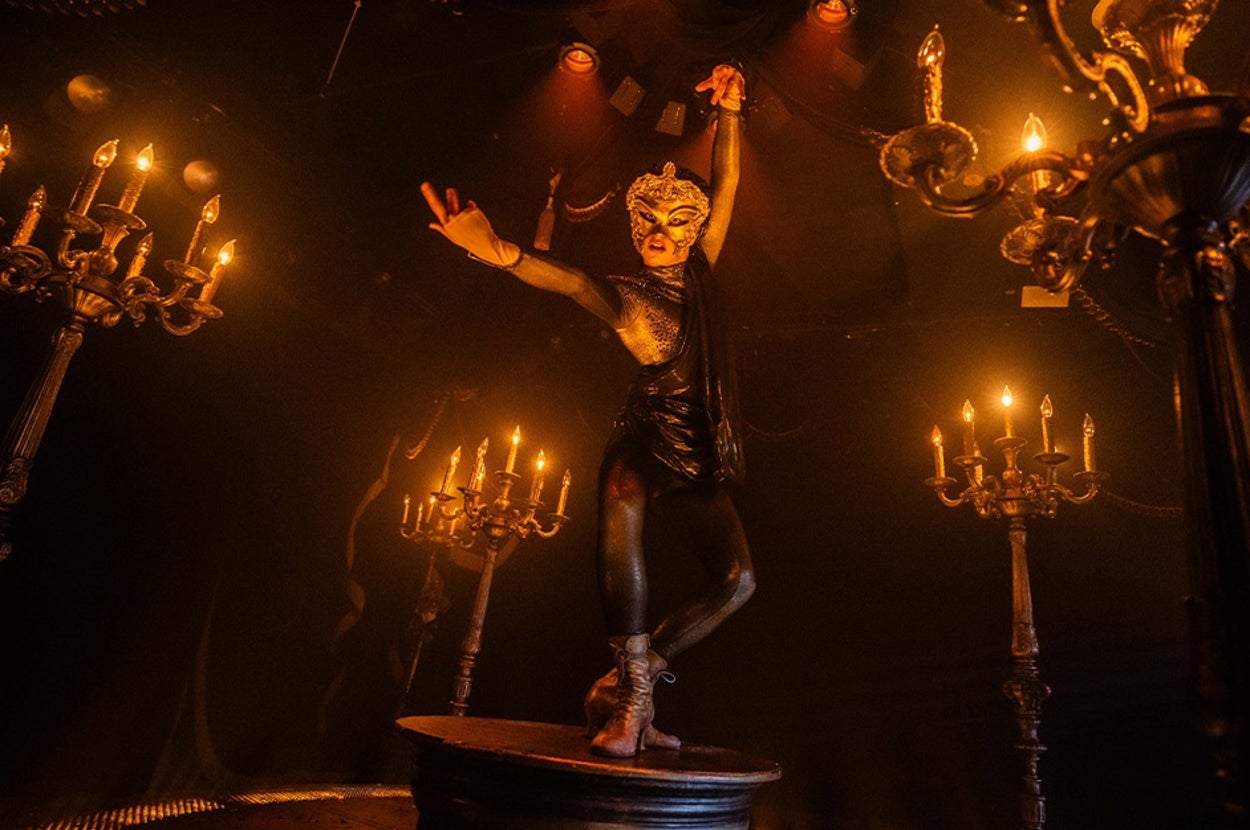
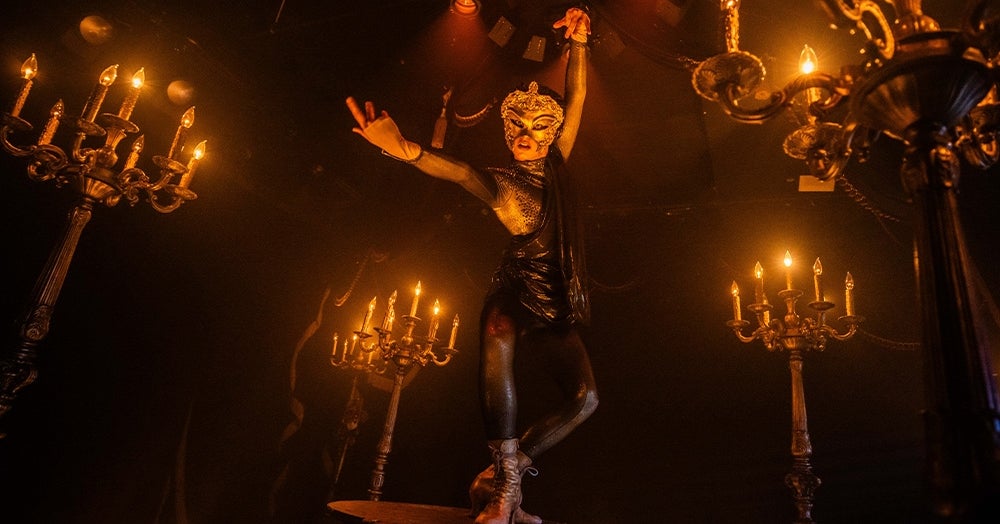
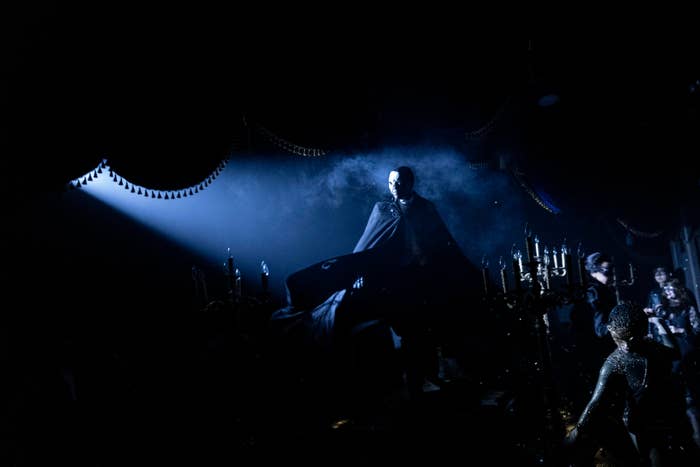
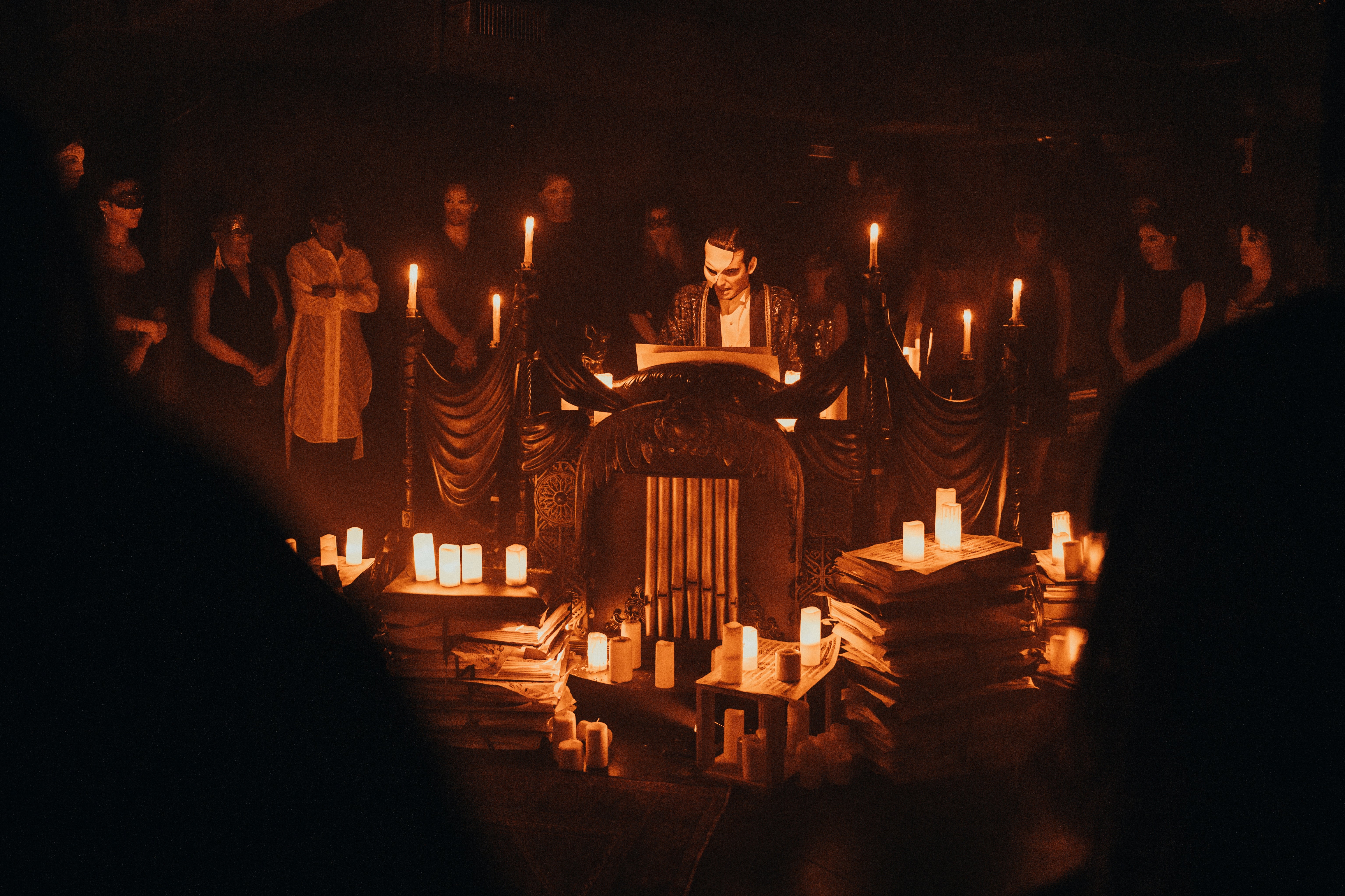
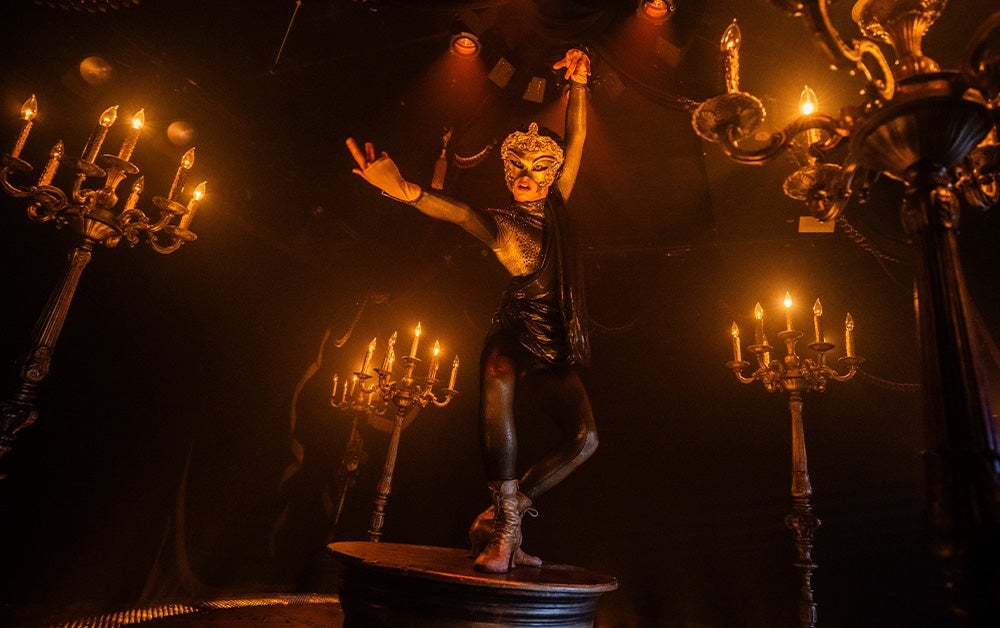
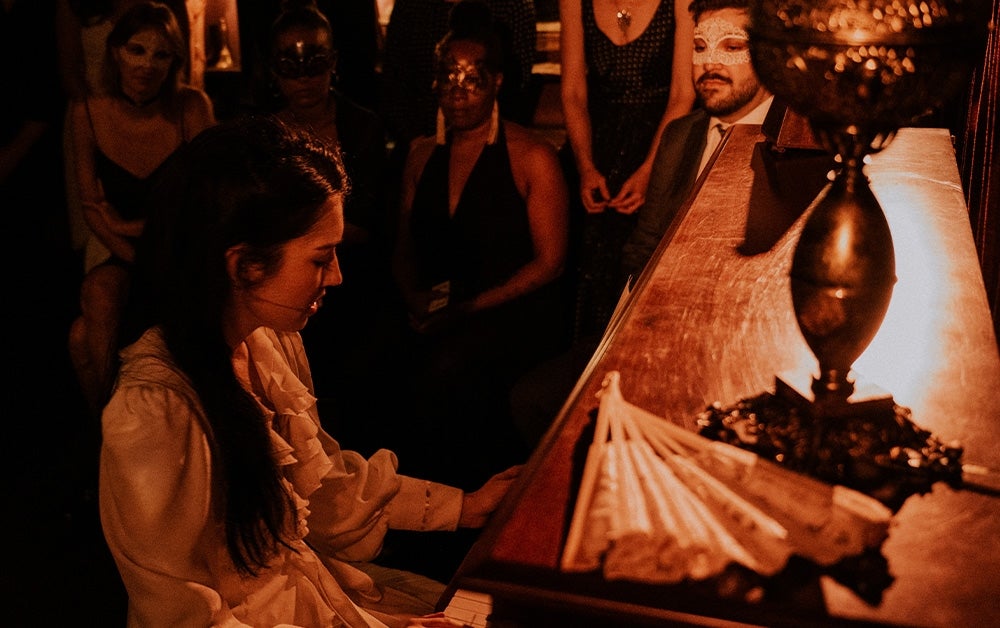
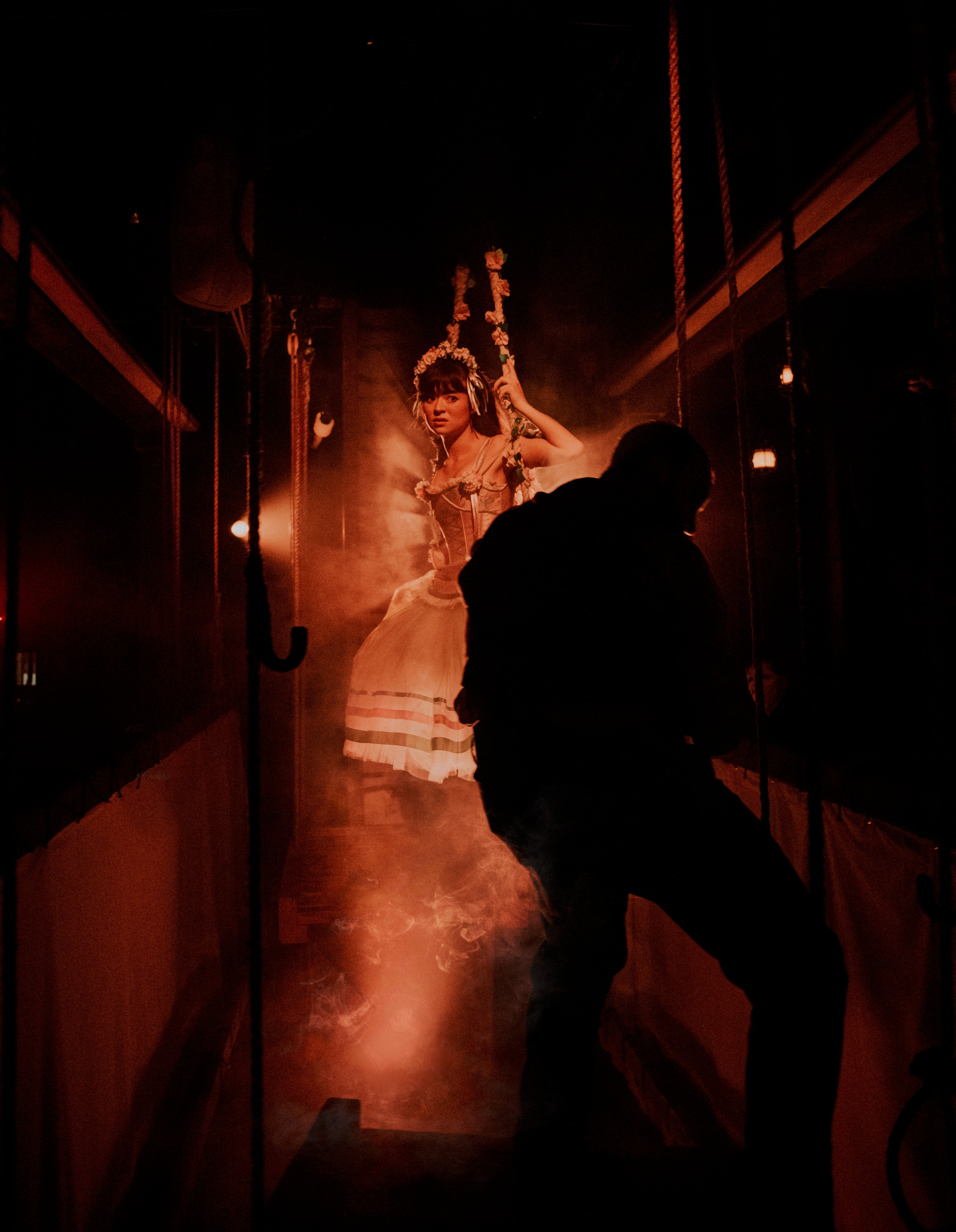
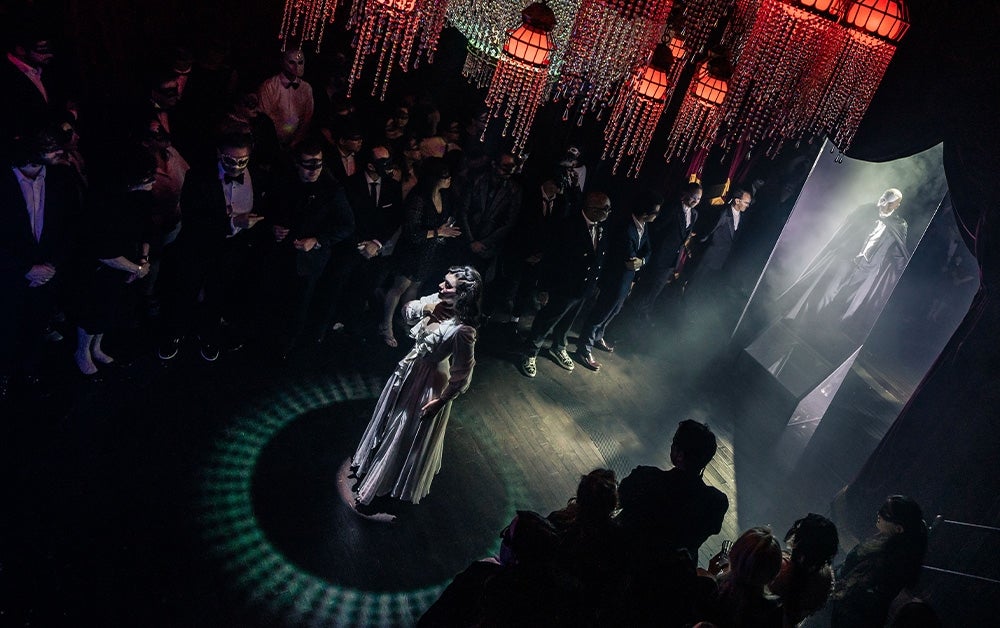
When my best friend and I arrived at 218 W. 57th Street, we donned our masks with no real sense of what to expect. The next two hours completely felt like stepping inside the world of The Phantom of the Opera. It was like being dropped directly inside the story, as if we were invited into the Phantom's private domain.

To learn how a production this complex comes together, I spoke with director Diane Paulus about the backstory behind Masquerade.

Note: This interview has been edited for length and clarity.

Diane: When Phantom announced it was closing on Broadway, it felt like, "How could this legendary show ever end?" But in a way, that opened the door to what could come next. Andrew Lloyd Webber was open to exploring something new, and the idea for an immersive experience emerged through conversations with our producer, Randy Weiner. We have a long history of doing immersive shows together.

When I joined the project, the combination of immersive theater and Phantom felt organic and full of potential. The idea of being inside the Paris Opera House and feeling like the Phantom could be behind you at any moment was a natural fit.

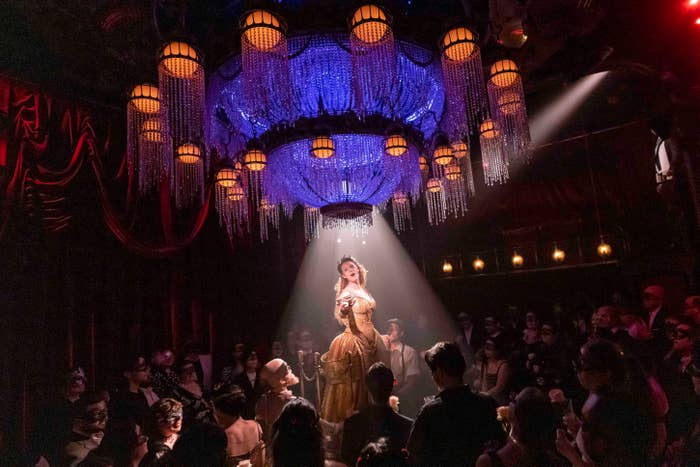
What really excited me was the challenge of combining that immersive format with Broadway-caliber live singing. Audiences would stand just feet away from Christine Daaé as she sings her face off and looks them directly in the eye. That was the kind of gauntlet that I threw down for myself and motivated the whole journey.

For me, the lyrics of "Music of the Night" became the production's mission statement. "Close your eyes and surrender to your darkest dreams." "Open your mind, let your fantasies unwind." I remember sending these lyrics to all the creatives on the team, saying, "This is what our show has to do."

Diane: When I’m directing, I’m always drawn to material that already has a huge impact beyond the theater world. For example, I loved doing Jagged Little Pill because that album has a meaning to people that has nothing to do with the theater. You come into it already playing with that cultural resonance. That’s what excited me about Phantom and its incredibly passionate "Phan" fanbase. From the beginning, I knew we had to create something die-hard fans would feel connected to.

We knew we would call this Masquerade. This was a new show, not just an immersive version of The Phantom of the Opera. The idea was that the Phantom himself was inviting you to his personal masquerade, and once you entered, you’d fall down the rabbit hole of the story he wanted to tell — including parts of himself audiences had never seen before.

The question was never, "Should we change Phantom or not?" It was, "What is our show, and how will we stay true to this new perspective?" We wanted it to feel rewarding both for fans who’ve seen Phantom hundreds of times and for people experiencing the story for the very first time.

Diane: This challenge basically broke my brain and was the hardest thing I've ever done. We wanted it to be intimate, and we ran some beta tests with a sample audience, mostly friends and family. They came to 57th Street bundled up in their jackets when there was no heat in the building, and we were playing around and workshopping. We learned that 60 people was the ideal audience size, so we knew we had to do it six times to get a capacity of about 360 a night.

That began a two-year journey to make the math work, create the script, time the score, all within the existing architecture of that building. We wanted the audience's movement through the building to feel intentional, without any backtracking. You're like a snake moving through the building, and you can't hit the tail.

Diane: We discovered that one of our music assistants, Simon, was a math major from Columbia, and he became the resident math expert. I would be working on a scene, thinking, "We need to cut 10 seconds off." Simon would say, "Let me work on it," and he'd apply all the algorithms across all these charts. He'd come back the next day, saying, "You can cut 10 seconds there, but you're gonna have to move this here, and this actor who's traveling is gonna have to leave that space five seconds earlier..."

I would send an assistant to time how long it would take to climb a set of stairs. Or if the actor had to change their coat, they would do so while walking. It was bananas.

We had eight weeks of previews during which we continued to learn and refine. Now that the show is running, it feels like a miracle. Once we press go on show control, the production doesn’t stop for three hours and 25 minutes.

Diane: We have six shows running at the same time, and each one has its own Christine and its own Phantom. Other than that, there are three Raouls, three Madame Girys, one Carlotta, one Piangi — 38 people in total, and they all have different tracks.

Every Christine also plays Meg in a different performance. What this means is your Christine, in the middle of her journey, ducks in a room, changes her clothes, becomes Meg, and plays Meg for a different audience.

It's so cool that when you are watching, you have no idea that Meg is actually Christine for another audience. There's a whole matrix of fun facts like that about the show.

Diane: The goal was always to make the audience feel like this whole experience was just for them, so they wouldn't even realize another performance was happening at the same time. We’re exploring opportunities for audiences to experience some of the show's "multiverse" because the behind-the-scenes logistics are so exciting.

Diane: It's been so illuminating to see the audience's response to this, to hear people say they have never felt this way at the theater before. I've started thinking, "What's next?" This endeavor was such a feat to pull off that I think next time around, we know how to do it even more effectively and efficiently.

What's powerful about Masquerade is that there's a reason you're here. You've dressed, you're in your mask, and the actors are very clear who you are. You were invited by the Phantom.

When we were making the show, I would say, "We're all working for the Phantom. The Phantom was not happy when his show closed at the Imperial Theater, so he got this space on 57th Street and created this whole phantasmagoria." The whole building has to pulse with immersion, so the reality never stops.

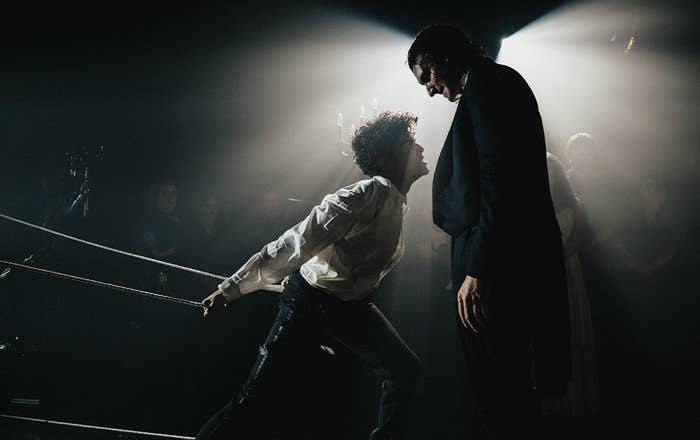
I think this show is also resonating with the audience because you really feel something. Here, you get to understand what it’s been like for the Phantom to be labeled a monster. You really see Christine not as a victim of the Phantom, but as a courageous heroine. She's the one who's going to say, "Show me. Take your mask off. I can handle it."

The emotion of it then extends into the audience. Do we have the courage to not only look at each other, but to allow others to look at us?

Tickets to Masquerade are available here.