yahoo Press
As Trump touts permanent daylight saving time, 19 states are ready to lock the clocks
Images
1 / 7
2 / 7

3 / 7

4 / 7
5 / 7

6 / 7

7 / 7
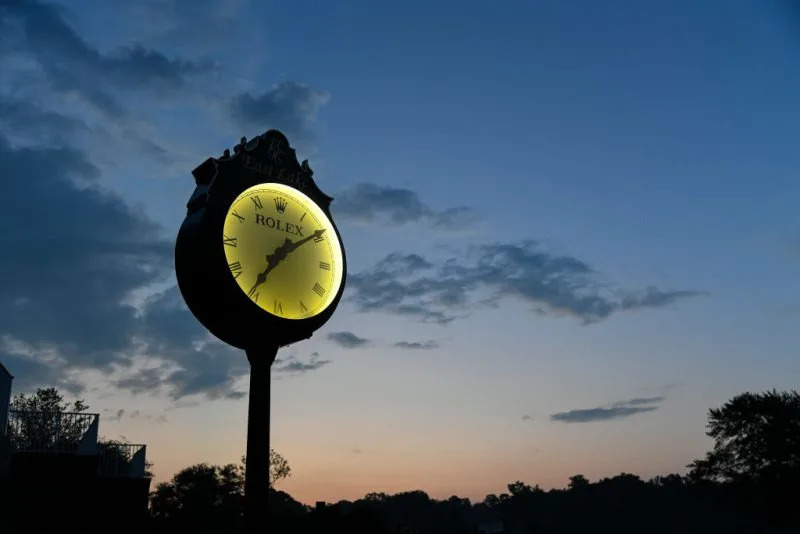
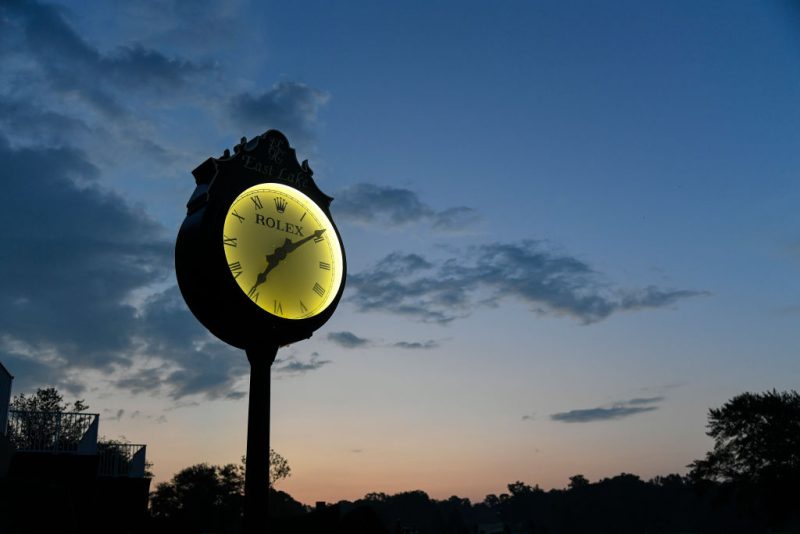
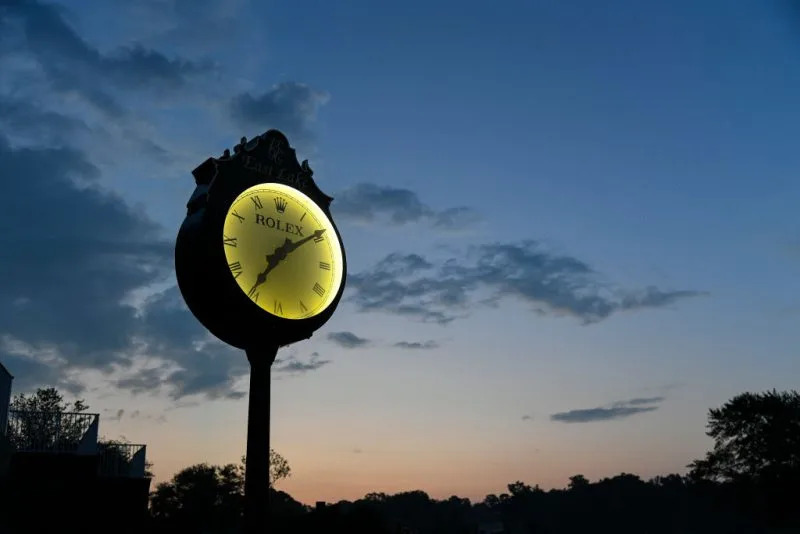
(NEXSTAR) – It’s only May, but some lawmakers are already thinking about changing our clocks back in November. If Congress acts quickly enough on a bill praised by President Trump, the clocks may not change at all.

Last week, the language of the Sunshine Protection Act, introduced by Florida Republican Rep. Vern Buchanan, was included in a larger transportation funding package under consideration by the House Energy and Commerce Committee. The package received a roll call vote of 48 yeas and 1 nay to head to the full House.

It puts the U.S. a step closer to potentially observing year-round daylight saving time.

These states are seeing their worst tick activity in nearly 10 years: Data

Trump spoke highly of the bill after its committee passage, writing on Truth Social about the costs associated with having to change clocks around the U.S. He also said he was “going to work very hard” to ensure the Sunshine Protection Act becomes law.

“It’s time that people can stop worrying about the ‘Clock,’ not to mention all of the work and money that is spent on this ridiculous, twice yearly production,” he wrote. “It will also be a very nice WIN for the Republican Party. Take it! We are going with the far more popular alternative, Saving Daylight, which gives you a longer, brighter Day — And who can be against that — This is an easy one!”

Trump is among those who have long supported locking the clocks on daylight saving time, which we currently observe from March to November. Nineteen states have also been awaiting the chance to stop changing their clocks.

At present, states can opt to observe standard time year-round. Only Hawaii and most of Arizona have done so, though some states considered legislation this year that would do the same.

The 19 states that have enacted legislation to make the opposite permanent have been awaiting action by Congress. Maine and Texas became the latest to join the permanent DST group last year. Florida was the first to enact such legislation back in 2018.

Over 200 people died in national parks last year: Where most were reported

Others to follow suit include Delaware, Colorado, Wyoming, Utah, Montana, Idaho, Washington, Oregon, Alabama, Georgia, Louisiana, Minnesota, Mississippi, Oklahoma, South Carolina, and Tennessee.

A bill in Georgia earlier this year sought to exploit a loophole to make daylight saving time permanent, but it ultimately died. Legislation to “lock the clocks” on daylight saving time in Nebraska and New Mexico also died this year, as did several more time change-related bills in other states.

As of late May, bills for permanent daylight saving time remain under consideration in Illinois, New Jersey, New York, Pennsylvania, and West Virginia. In Ohio, bills urging Congress to make DST permanent remain alive. Legislative sessions are, however, scheduled to end soon in Illinois and New York.

We’ve observed permanent daylight saving time before on multiple occasions, and it was not as widely appreciated. Health and sleep experts also argue that permanent standard time is better for us.

Under permanent daylight saving time, summer and fall would feel exactly as they do now. It’s the sunrises and sunsets from November through February that would be noticeably different.

Winter sunsets in much of the U.S. would happen after 5 p.m., a huge improvement for those who experience sunsets in the 4 o’clock hour during those months. Sunrises, though, would largely happen after 8 a.m. — and in some areas, after 9 a.m.

In addition to both versions of the Sunshine Protection Act, there are two bills in the House that would give states the option to observe year-round daylight saving time. States can currently opt for year-round standard time. These, too, remain in committee.

How little screen time should your kids have? Federal report offers guidance

Another recently introduced bill, the Daylight Act of 2026, would make half-daylight saving time permanent. Under this legislation, our clocks would jump forward a half-hour, instead of a whole hour, and lock there. It remains in the House Energy and Commerce Committee.

It’s unclear what the future holds for the daylight saving time-related legislation. The Sunshine Protection Act would require states to observe year-round daylight saving time, unless they exempt themselves before it takes effect.

Unless it or any other daylight saving time bills make it through Congress, you can expect to set your clocks back on November 1 this year.

Copyright 2026 Nexstar Media, Inc. All rights reserved. This material may not be published, broadcast, rewritten, or redistributed.

For the latest news, weather, sports, and streaming video, head to The Hill.