yahoo Press
‘We’re in for a bad year’: Scientists see warning signs for Lyme disease, tick-borne illnesses
Images
1 / 7
2 / 7

3 / 7

4 / 7
5 / 7

6 / 7

7 / 7
(NEXSTAR) – As the weather warms up, scientists have a dire warning before you head outdoors. When it comes to ticks, “unfortunately, it seems that we are in for a very bad year,” said Nicole Baumgarth, a professor of immunology and infectious disease at Johns Hopkins Bloomberg School of Public Health.

The number of emergency room visits for tick bites was alarmingly high in April. The Centers for Disease Control and Prevention’s tracking system showed the weekly rates of ER visits for tick bites were the highest recorded in April since 2017. That was true in all regions of the country, except the south-central United States.

“These numbers are only the tip of an iceberg of tickborne illnesses that we have seen so far this year,” said Baumgarth, director of Johns Hopkins’ Lyme and Tickborne Diseases Research and Education Institute.

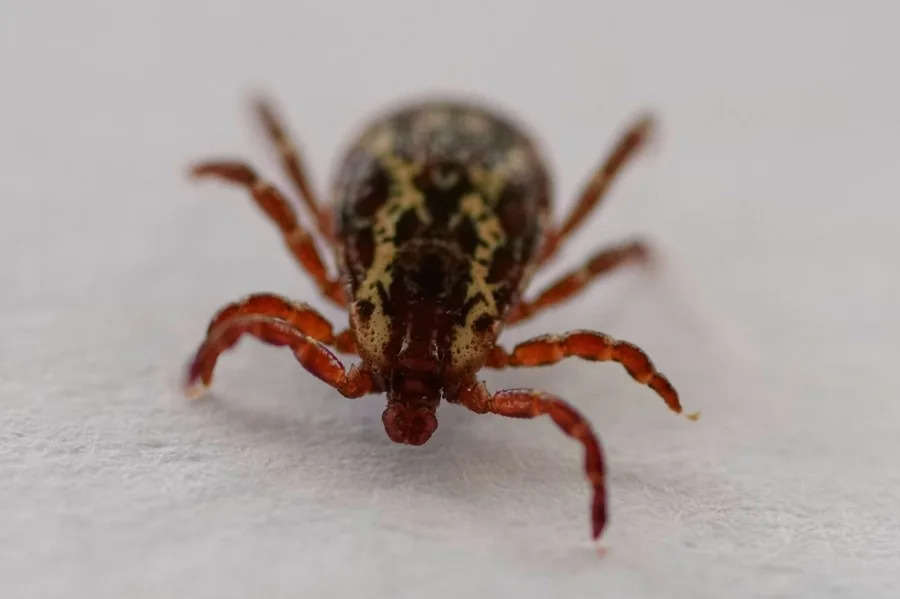
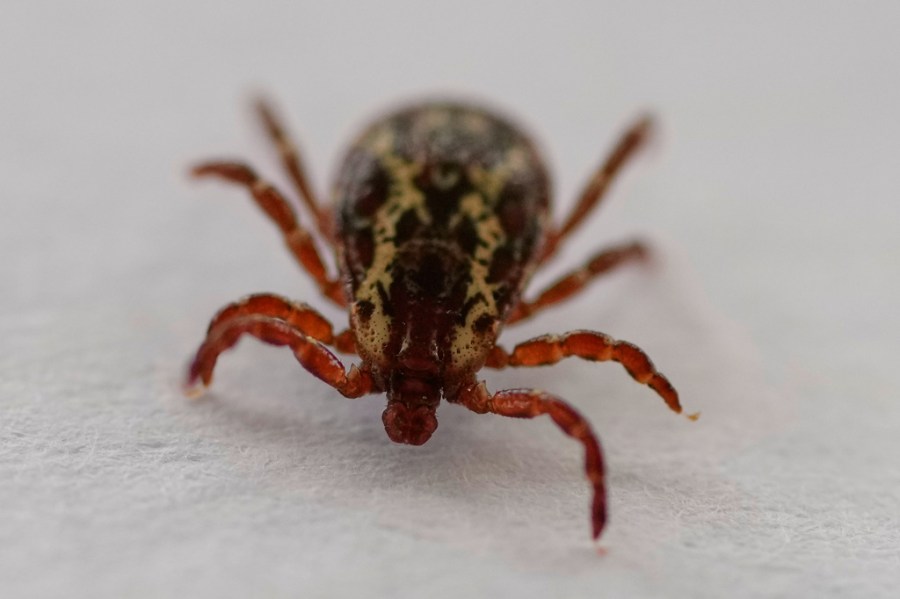
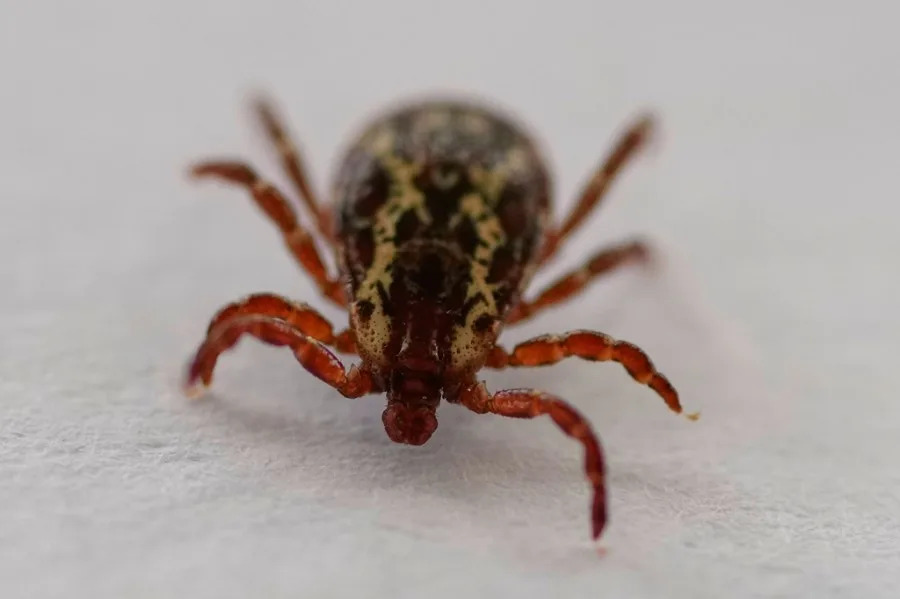
Ticks, small bloodsucking insects, are so worrisome not because they suck your blood, but rather because they can carry diseases like Lyme, Rocky Mountain spotted fever, or alpha-gal syndrome, which gives people an allergy to red meat.

Where emergency visits for tick bites are spiking in the US

A vaccine against Lyme disease is in development, and is promising, but isn’t ready yet. Even if or when it does hit the market, it will require three shots plus an annual booster, which is making some public health experts caution against it as a silver bullet. “It’s unlikely that the broad communities – all but the most enthusiastic outdoors people – are going to pick up this vaccine,” Baumgarth said.

In the meantime, more people are getting bitten and getting sick.

“Frustratingly … we cannot and have not been able to bend the curve,” said Baumgarth. “We see an increasing number of tick infections, tickborne illnesses every year … and it’s unlikely this trend is going to change.”’

Tick that causes meat allergy, other rare virus is spreading: What symptoms to watch for

Tick populations vary throughout the year, and their numbers depend on a few factors. Climate change is widely believed to be having an effect: Ticks like warm, humid weather, and more can be seen after a mild winter. As the climate warms, ticks can also survive further north than in past decades.

More deer and mice available for them to feed on may also factor. The white-footed mouse population is thriving, Baumgarth said. The rodent is a preferred host of the tick that causes Lyme.

To protect yourself against ticks and related illnesses, the CDC recommends:

Avoiding grassy, bushy or wooded areas where ticks are commonly found

Treat clothing with 0.5% permethrin, an insecticide

Use insect repellents

Check clothing for ticks once you come inside

Dry clothes on high heat for 10 minutes to kill ticks that may be on clothing when you come inside

Check pets for ticks

Take a shower within two hours of coming indoors to prevent your risk of getting Lyme

Do a full body check, including under the arms, around the ears, hairline, belly button, and back of the knees

The Associated Press contributed to this report.

Copyright 2026 Nexstar Media, Inc. All rights reserved. This material may not be published, broadcast, rewritten, or redistributed.

For the latest news, weather, sports, and streaming video, head to The Hill.