Press
What is on the table during Lebanon-Israel direct negotiations?
Images
1 / 7
2 / 7
3 / 7
4 / 7

5 / 7

6 / 7

7 / 7
Israel and Lebanon will meet for the third time this year to discuss a ceasefire and disarming Hezbollah.

Save

Share

Beirut, Lebanon – A new round of negotiations between Israel and Lebanon will take place on Thursday and Friday to save a fragile ceasefire – repeatedly ignored by Israel –  which is set to expire on Sunday.

It will be the third time the Lebanese and Israeli delegations meet face to face this year, after the countries’ respective ambassadors gathered in Washington, DC, on April 14, followed by a second round of talks on April 23.

The process has deeply divided Lebanon, a country which does not recognise Israel, with President Joseph Aoun and Prime Minister Nawaf Salam supporting direct negotiations. Hezbollah and their allies, including Parliament Speaker Nabih Berri, prefer indirect talks.

As the two sides prepare to meet, Israel continues to intensify its attacks across Lebanon, despite the so-called ceasefire. On Wednesday, eight people, including two children, were killed when Israeli drones targeted vehicles travelling along a key road linking southern Lebanon to the capital, Beirut, while another nine were killed in strikes elsewhere in the country. On Thursday, Israel continued its attacks on Lebanon and issued more forced evacuation orders for towns in the eastern Bekaa Valley and the south.

Here’s all you need to know about the controversial Israel-Lebanon talks:

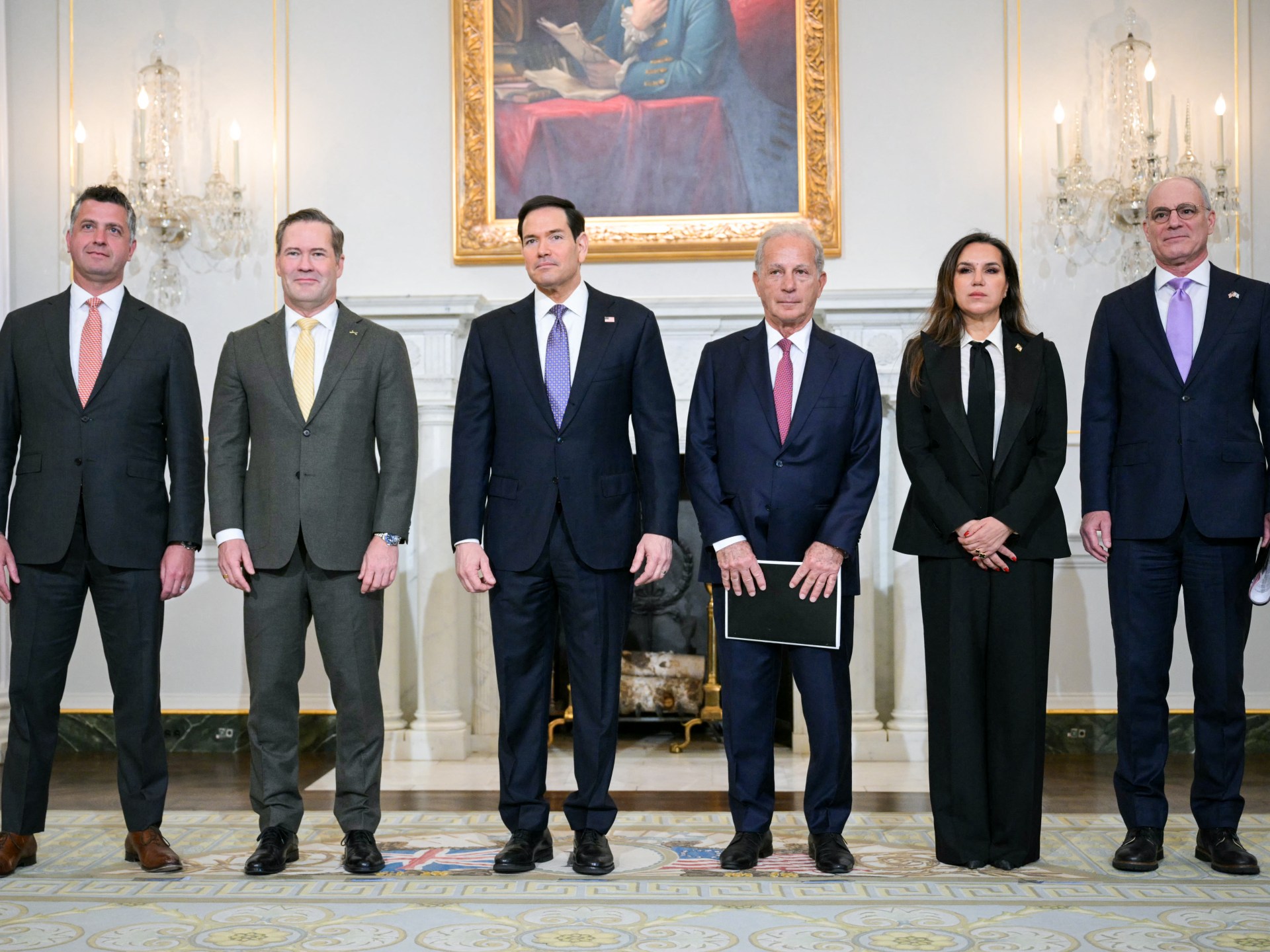
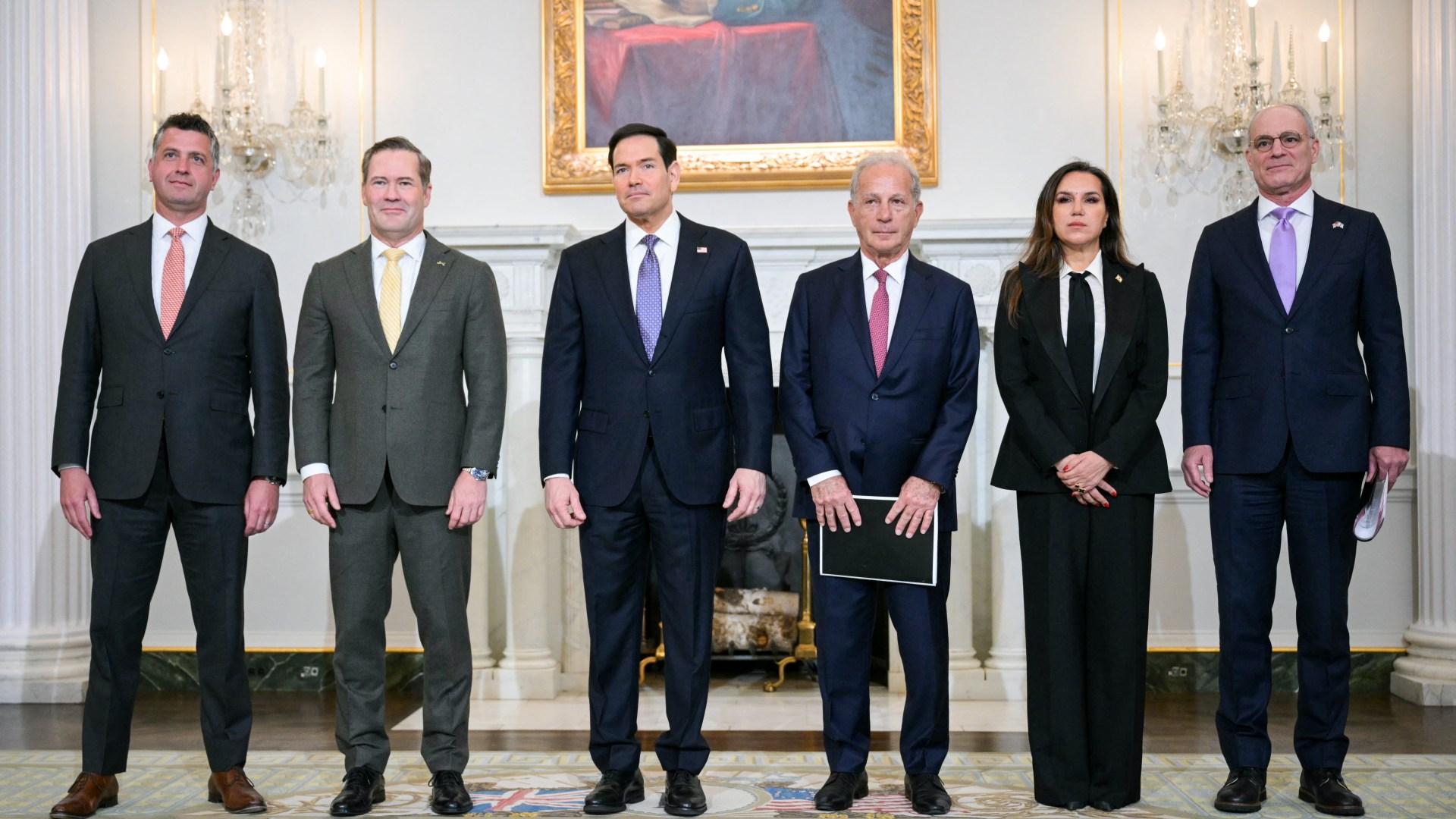
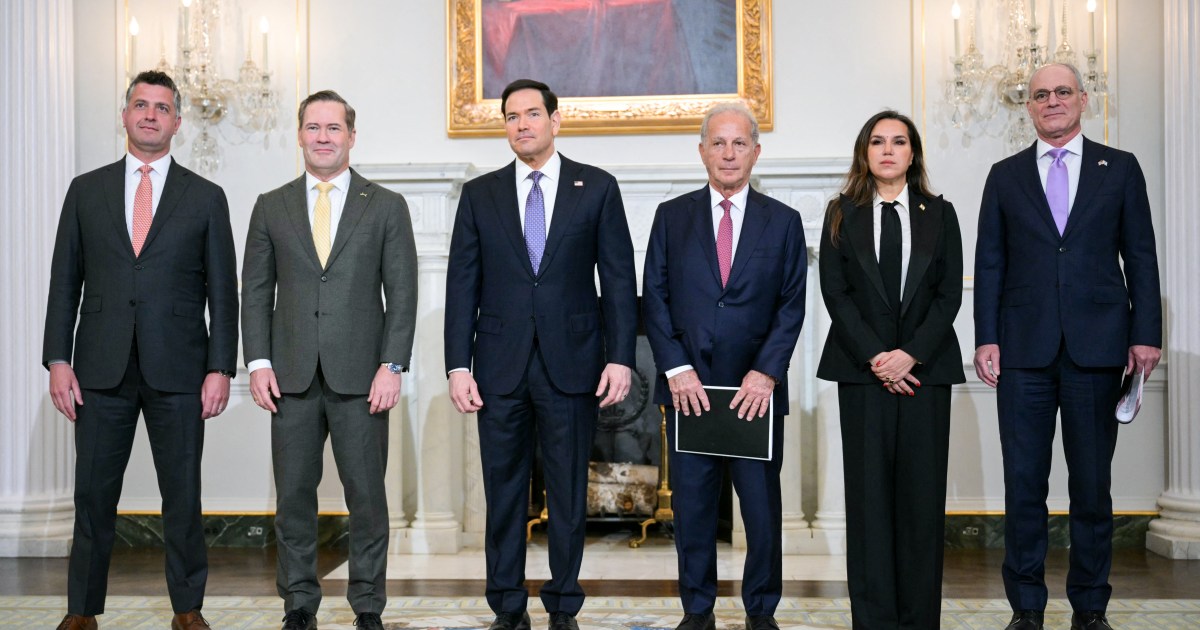
Some of the same officials who attended the previous negotiations will be at the third round – including the US ambassador to Israel Mike Huckabee – with diplomatic and military representation from both sides expected, according to Lebanese media.

Lebanon is set to be led by Simon Karam, a Lebanese diplomat appointed by Aoun, while Lebanon’s ambassador to the US, Nada Hamadeh Moawad and Deputy Chief of Mission Wissam Boutros, who were both in previous meetings, will also likely attend. A new addition to the negotiators’ list will be Lebanon’s Military Attache to Washington, General Oliver Hakme.

Israel’s ambassador to Washington, Yechiel Leiter, will be joined by Brigadier General Amichai Levin, head of the Israeli army’s Strategic Division, and Deputy Advisor to Israel’s National Security Council, Yossi Draznin.

US Secretary of State Marco Rubio, who attended the first two meetings but is currently in China for President Donald Trump’s visit to Beijing, will be replaced by his adviser Michael Needham, State Department official Jay Mens, and US ambassadors to Israel, Mike Huckabee, and Lebanon, Michel Issa.

The country is divided over the prospect of direct negotiations, all the way up to the governmental level.

“The country’s president, prime minister and speaker of parliament – all hailing from different religious sects according to Lebanon’s confessional system – cannot agree upon a framework, or even an ultimate objective to the talks,” Souhayb Jawhar, a Lebanese journalist and analyst, wrote for the Middle East Council on Global Affairs.

The United States even proposed a direct meeting between Aoun and Israel’s PM Benjamin Netanyahu, which threatened to inflame tensions in Lebanon. Some analysts believe internal strife in Lebanon would be a boon to Israel.

“There is no one who would benefit more from a disintegration of law and order and civil strife than the Israelis,” Sami Halabi, the director of policy at Badil, a Beirut-based think tank, told Al Jazeera. “In that scenario, there is a whole swath of opportunities for them from supporting different militias and groups to making those groups fight Hezbollah, in order to weaken. For the Israelis, when the [Lebanese] state becomes weaker or the nature of civil peace or cohabitation becomes fragmented, then they have smaller pieces to deal with.”

Israel’s attacks on Lebanon have continued, despite the ceasefire, with Hezbollah retaliating in turn.

According to the group’s statements, most of Hezbollah’s attacks have targeted Israeli soldiers or vehicles on Lebanese territory, with some military sites inside northern Israel used in the invasion also hit.

On Tuesday, Hezbollah chief Naim Qassem delivered a statement, saying that his fighters “will respond to the aggression and violations, and we will not return to the pre-March 2nd status quo” whereby Israel attacked Lebanon and Hezbollah did not respond.

Qassem seemed to indicate that Hezbollah accepts the Lebanese government is negotiating on the country’s behalf, and said Hezbollah was “ready to cooperate” to achieve certain goals. Those goals include halting Israeli attacks, the withdrawal of Israeli troops from occupied territories, the deployment of the Lebanese army to the south, the return of Lebanese prisoners held in Israeli prisons, for southerners to return to their homes, and for the reconstruction of the southern region battered by years of Israeli strikes.

Qassem said, however, that Hezbollah still rejects direct negotiations and prefers indirect talks.

The Lebanese strategy, so far, appears to have been to appeal to Washington to pressure Israel to enforce the ceasefire. Lebanese officials, Aoun principally among them, have said they want a ceasefire enforced before they continue negotiations.

While Israeli officials have spoken of potential long-term peace deals, Aoun and the Lebanese side have insisted they will not seek normalisation and instead cited the 1949 armistice agreement – which sought to end fighting between the two sides – as a possible framework for ending tensions.

Beirut is reportedly planning on outlining the damage done to Lebanon from Israeli attacks on the country since the 2024 ceasefire agreement and will present detailed maps showing the homes destroyed or razed by Israel during this period.

However, most analysts admit Lebanon has little leverage in the talks.

Israel is expected to reject the proposal of a ceasefire as wants to continue attacks on Hezbollah assets in Lebanon, resulting in four children killed or injured a day since another ostensible truce was declared on April 16.

It also seeks the disarmament of Hezbollah, while some Israeli officials are seeking the annexation of southern Lebanon. Other Israeli officials intend to turn the southern Lebanese region into an uninhabitable buffer zone.

Analysts say that ultimately, Israel is trying to use its power and influence in order to force Lebanon to bend towards its regional goals and interests.

While the Lebanese government is believed to be eager to bring Hezbollah’s arms under the control of the state, Israel has claimed the two sides are on the same page regarding disarmament of the movement.

Although the Lebanese government has regularly criticised Israel’s ceasefire violations and occupation of Lebanese territory, it has also been criticised by many Lebanese who argue that by engaging in direct talks with Israel and a preoccupation on the disarmament of Hezbollah is forwarding Israeli and US interests.

Despite the best efforts of countries like France and Egypt, the US will be the sole mediator in these talks.

France was involved in the “mechanism” that managed the 2024 ceasefire, but diplomatic sources said Paris had little power over enforcing the truce, which was left to Washington to manage.

Many analysts doubt the US will act as a neutral mediator, as historically Washington has favoured Israel’s interests over those of other parties in the region, including Beirut.

In the run-up to negotiations, however, Saudi Arabia has also played an important role. Riyadh appears to be forming a new regional axis in order to counter Israel’s regional hegemony, increasingly aware of the country’s expansionist motives.

Riyadh attempted to settle governmental disputes between Aoun and Salam on one side and Berri on the other, so that Lebanon could enter negotiations with Israel on a united front. Saudi Arabia was reportedly also trying to cool internal tensions in Lebanon that had risen over the opposition to the talks and could further weaken Beirut’s hand in negotiations.