Press
Oil prices rise after US and Iran exchange fire in Hormuz strait
Images
1 / 8

2 / 8
3 / 8
4 / 8
5 / 8

6 / 8

7 / 8
8 / 8
Oil prices rose on Friday morning trade in Asia after the US and Iran exchanged fire in the key Strait of Hormuz waterway.

The US military said it intercepted what it called "unprovoked" Iranian attacks - including missiles, drones and small boats - and carried out self‑defence strikes as its ships were heading out of the Gulf through the strait.

The price of global oil benchmark Brent rose by 2.3% to $102.40 (£75.53) a barrel, while US-traded crude was 2.1% higher at $96.80.

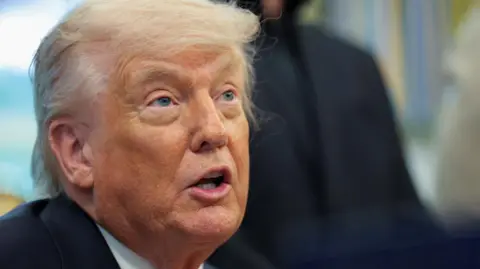
The flare-up further endangers the US-Iran ceasefire, which President Donald Trump extended indefinitely on 21 April to allow more time for peace talks.

This week, Trump said that the war, which started on 28 February when the US and Israel attacked Iran, will be "over quickly" as Washington pushes for a framework for more detailed negotiations with Tehran.

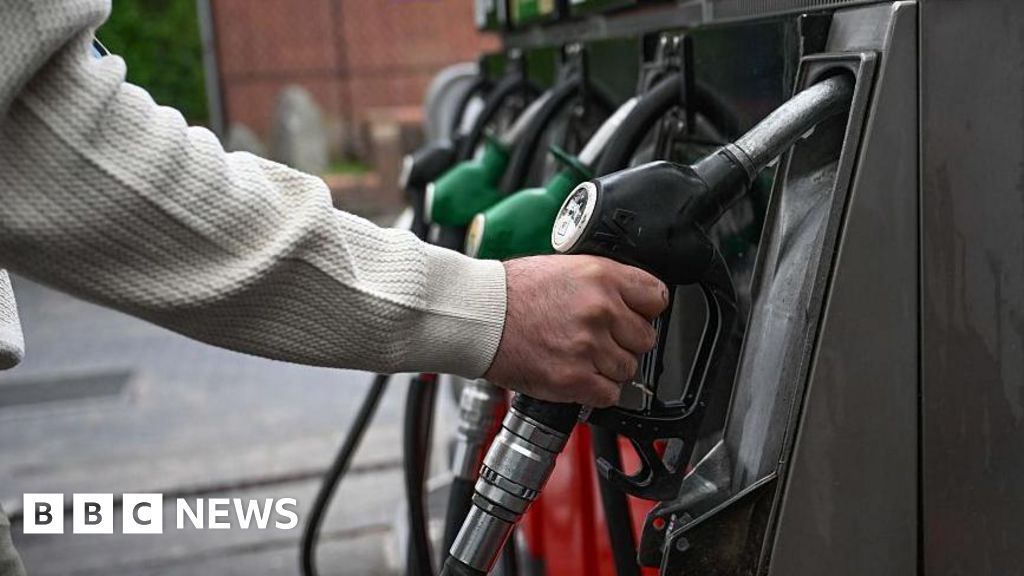
Energy prices have surged since the start of the conflict after Iran threatened to attack ships in the critical Strait of Hormuz trade route in retaliation to the US-Israeli strikes.

More than a fifth of the world's oil and gas shipments usually pass through the waterway.

Trump's deadline to the European Union came as a trade court ruled his global tariff policy violated US law.

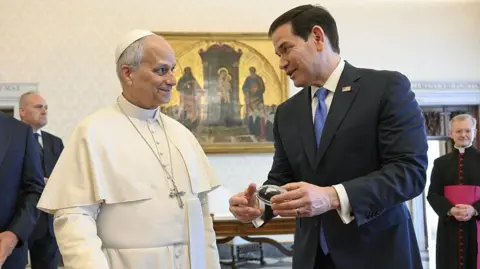
Leo, the first American pontiff, drew Trump's ire after becoming a firm critic of the war and the administration's hardline immigration policies.

Other members of the Trump administration will step in to brief the press while Leavitt is on maternity leave.

The two leaders have a strained relationship and will be closely watched for signs of a breakthrough over tariffs and other issues.

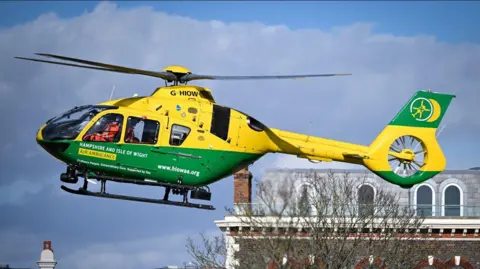
Charities across the south say rising aviation fuel prices are putting pressure on their services.