yahoo Press
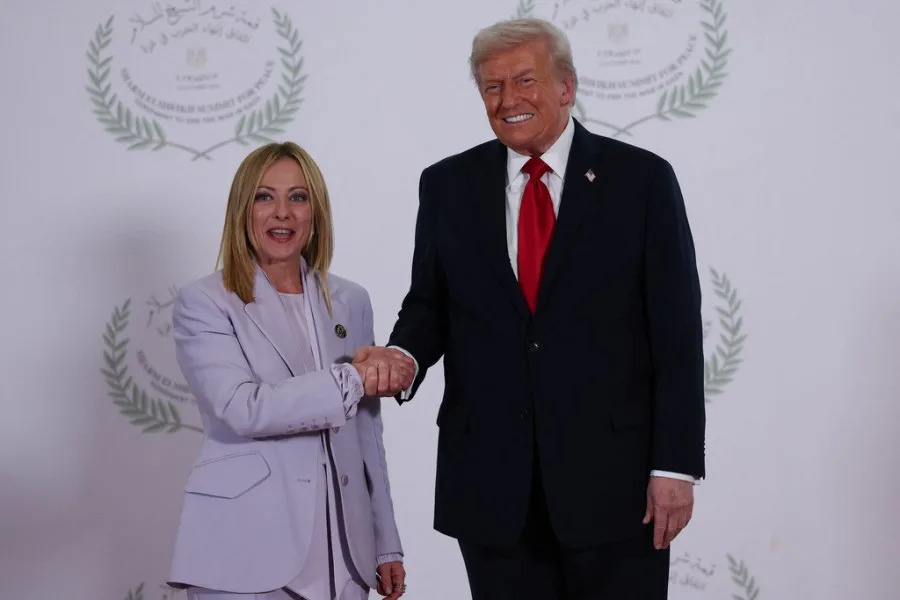
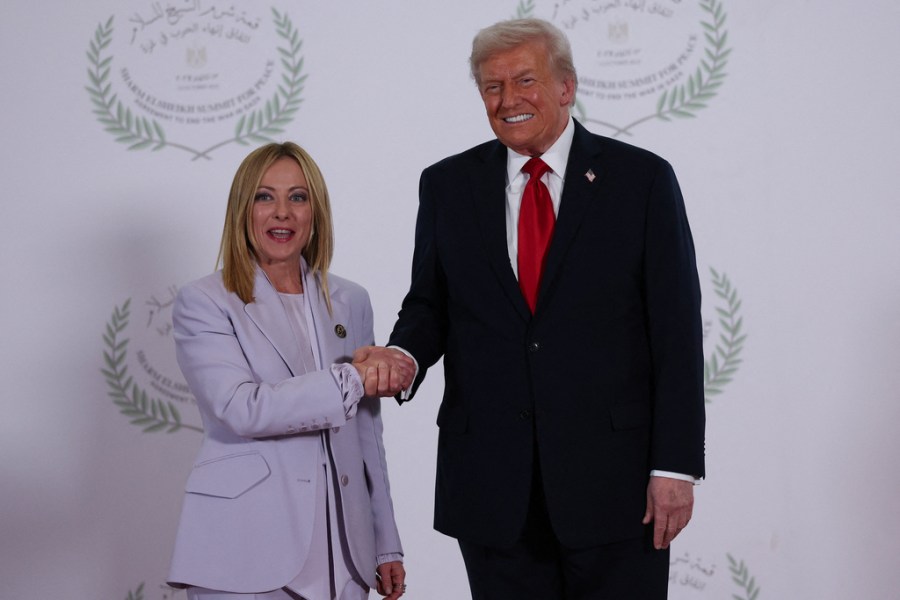
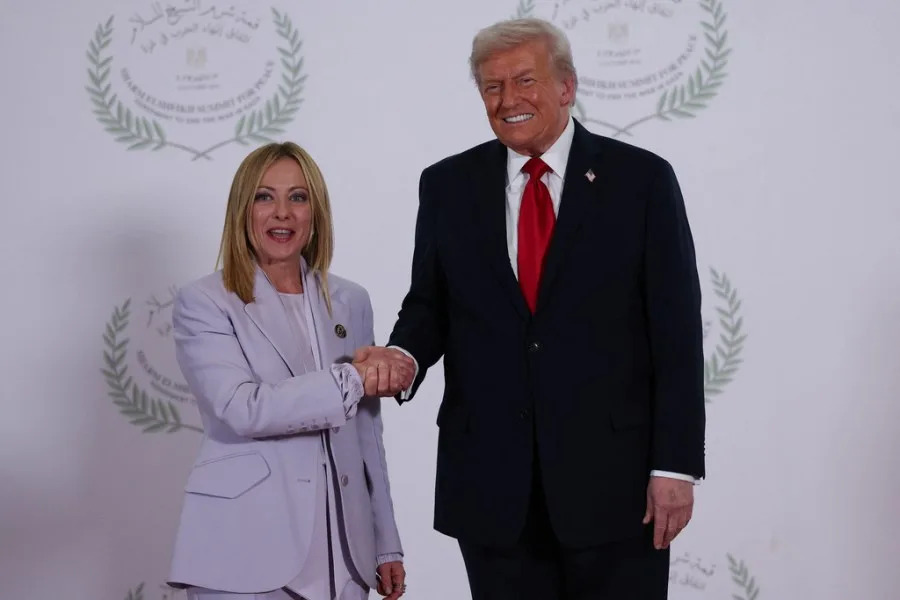
Opinion - Trump and Meloni’s transatlantic divorce is important
Images
1 / 10
2 / 10

3 / 10

4 / 10

5 / 10

6 / 10
7 / 10

8 / 10

9 / 10

10 / 10
The growing rift between the U.S. and its traditional European allies has accelerated in recent months with the unexpected fracture in the once close relationship between President Trump and Italian Prime Minister Giorgia Meloni.

The two populist leaders have recently begun to distance themselves from each other, despite previously bonding over their mutual opposition to mass immigration, cultural “wokeness,” and their reluctance to provide Ukraine with a NATO security guarantee before a peace agreement is reached with Russia.

This public transatlantic break-up began when Meloni criticized U.S. military actions in Iran, and Italy refused to allow U.S. bombers to refuel at a southern Italian military base before striking Iran. Meloni also sided with France, Spain, the U.K., and Germany in declining to participate in mine sweeping and other military operations to reopen the Strait of Hormuz during Iran’s initial blockade of the strategic waterway.

This decision by Meloni disappointed the Trump administration, since Italy is very dependent on the Gulf region for its energy resources. Around 21 percent of Italy’s oil and gas imports pass through the Strait of Hormuz, and Italy is a top European importer of liquefied natural gas from the Gulf. A few days after Italy’s decision to side with its European allies and reject President Trump’s request to assist the U.S. in policing the Strait, Trump expressed “shock” at Meloni’s “lack of courage,” and he told reporters that they have not spoken for months, and he has no plans to call her anytime soon.

Meloni, who once highlighted her role as the bridge between the U.S. and the European Union, has quietly transitioned away from her once cordial relationship with Trump, viewing the partnership as a political liability that could derail her domestic policy agenda, along with her domestic political standing. The war in Iran and U.S. support for Israel are both highly unpopular in Italy.

In Italy, Trump is the most unpopular U.S. president in decades. Animosity toward him and his trade policies are shared by both the Italian left and right. A recent YouGov European tracking poll from late March found that only 12 percent of Italians had a favorable opinion of Trump, whereas 80 percent had an unfavorable opinion.

Since the war in Iran began, skyrocketing energy prices in Italy have slowed economic growth projections and substantially increased gasoline and diesel prices in Italy, in some regions of the country by more than 50 percent. This, combined with Italy’s traditional anti-war sentiment on both the political left and right, has forced Meloni to not only distance herself from Trump, but to publicly criticize him when provided the opportunity.

A recent 2026 Statista survey showed that Meloni’s approval rating has dropped to 39 percent, with a record 55 percent disapproving of her performance in office. This growing unpopularity contributed to the unexpected loss of a March 2026 referendum on judicial reform, which was a major setback for Meloni and her conservative governing coalition. Several reliable polls conducted after the referendum failed confirm that a significant percentage of the no-vote backlash was directly related to Meloni’s perceived closeness to Trump.

After this stinging loss at the polls, it wasn’t a coincidence that Meloni publicly criticized Trump’s remarks about Pope Leo XIV after Trump had referred to the Pope as “weak” and “terrible” on foreign policy; criticizing his anti-war stance on the conflict in Iran. With an electoral base that includes many conservative Catholic voters, Meloni seized the political opportunity to further distance herself from the unpopular U.S. president. She called President Trump’s comments “unacceptable,” arguing that religious leaders shouldn’t be dictated to by any politician, including Trump.

Since Trump was elected in 2024, up until this recent public rift between the two leaders, Meloni had been the most reliable strategic partner of the United States in Europe. She was both willing and able to assume the role of mediator between the Trump administration and its European allies.

The recent electoral defeat of Hungarian Prime Minister Viktor Orban, a close Trump ally in Eastern Europe, wed to the growing schism between Trump and the leaders of the U.K., France, Germany, and Spain, could result in an irreversible realignment of interests between the U.S. and Europe. This is occurring at a time when the war between Ukraine and Russia is entering its fourth year, and the conflict in the Gulf is still unresolved.

Meloni acted as a steady, responsible, and reliable partner between the U.S. and Europe over the past two years. It was a mutually beneficial relationship defined by a shared populist ideology that European leaders on the political left could never replicate. Meloni also worked closely with NATO Secretary General Mark Rutte, to keep the NATO alliance together during President Trump’s constant demands for America’s European allies to assume a greater financial and military role within the alliance.

This unexpected and sudden transatlantic divorce between Trump and Meloni will likely contribute to the further deterioration of this once close generational partnership between the U.S. and its longtime European allies, putting the future of NATO and the long-term security of Europe at risk.

Frank DiFulvio is an independent journalist and published writer who lives and works in both Rome and Northern Virginia.

Copyright 2026 Nexstar Media, Inc. All rights reserved. This material may not be published, broadcast, rewritten, or redistributed.

For the latest news, weather, sports, and streaming video, head to The Hill.