yahoo Press
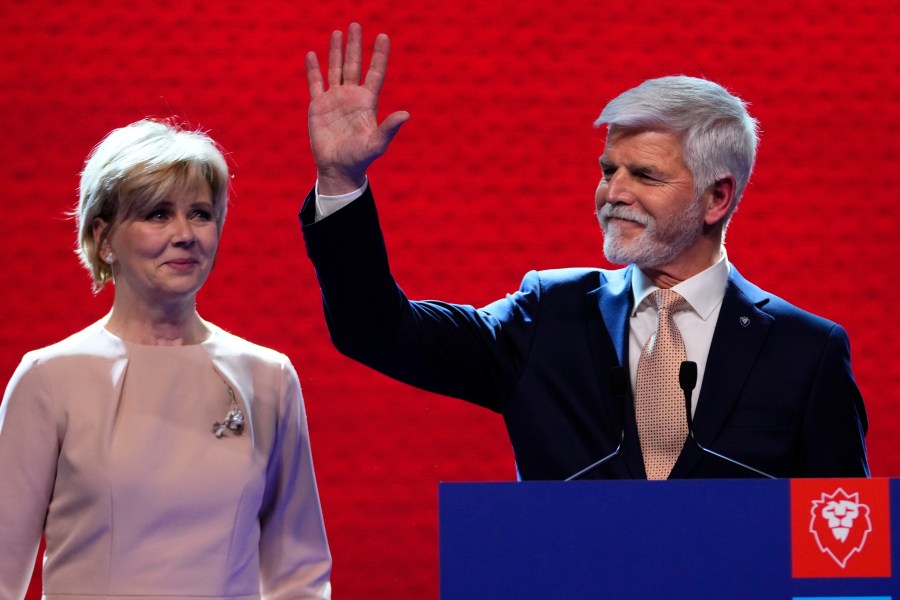
Czech Republic president on Trump’s anger with Europe over Iran war response: ‘We are not part of it’
Images
1 / 7

2 / 7

3 / 7
4 / 7

5 / 7

6 / 7

7 / 7
The leader of the Czech Republic pushed back this week against President Trump’s accusations that Europe has failed to do its part to support the U.S.’s ongoing military operations against Iran.

“I believe that Europe could do much more, but we are not part of it,” Czech President Petr Pavel told CNN’s Christine Amanpour at a conference in Prague earlier this week. “European countries were blamed not to come to assistance, but how could we when we were not invited at the beginning?”

The U.S. and Israel jointly launched military operations against Iran at the end of February, and the conflict has now stretched for several months. The two sides are currently engaged in a temporary ceasefire during negotiations over a new nuclear deal and control of the Strait of Hormuz.

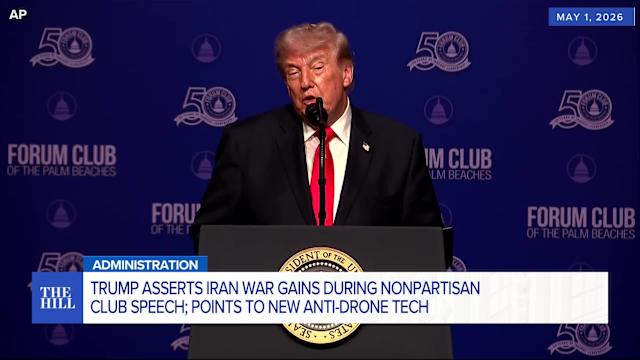
Trump has attacked NATO allies over their criticism of the military effort and threatened to pull U.S. troops out Germany, Italy and Spain after these countries’s leaders spoke out against his handling of the war.

On Friday, the U.S. president ordered the Pentagon to withdraw around 5,000 troops from Germany amid his public dispute with German Chancellor Friedrich Merz.

The leaders of the House’s and Senate’s Armed Services committees rebuked the administration’s decision, writing in a joint statement that they were “very concerned” by the move.

Trump has also threatened to pull the U.S. out of the international military alliance entirely.

Pavel told CNN this week that Trump needs to understand that European allies are “not the enemy,” despite “having a different opinion.”

“We are on the same side,” he told Amanpour. “What we want is fair treatment, and I believe that if European countries were involved at the beginning, that there would be much more willingness to take part.”

European leaders have urged the U.S. to return to the negotiation table and cease military operations.

Additionally, the leaders of France and the United Kingdom convened over 50 countries last month to discuss joint efforts to secure free movement through the Strait of Hormuz, a critical trading corridor for global energy trade.

“When European countries were not treated as allies at the beginning and they are now blamed for being cowards, I fully understand that they take it, let’s say, unfair … We want to be fair allies,” Pavel said. “We have to talk to each other as equals, not as a dependent child.”

Copyright 2026 Nexstar Media, Inc. All rights reserved. This material may not be published, broadcast, rewritten, or redistributed.

For the latest news, weather, sports, and streaming video, head to The Hill.