huffpost Press
Outlaw Country Legend David Allan Coe Dies At 86
Images
1 / 15
2 / 15
3 / 15
4 / 15
5 / 15
6 / 15
7 / 15
8 / 15
9 / 15
10 / 15
11 / 15
12 / 15
13 / 15
14 / 15

15 / 15
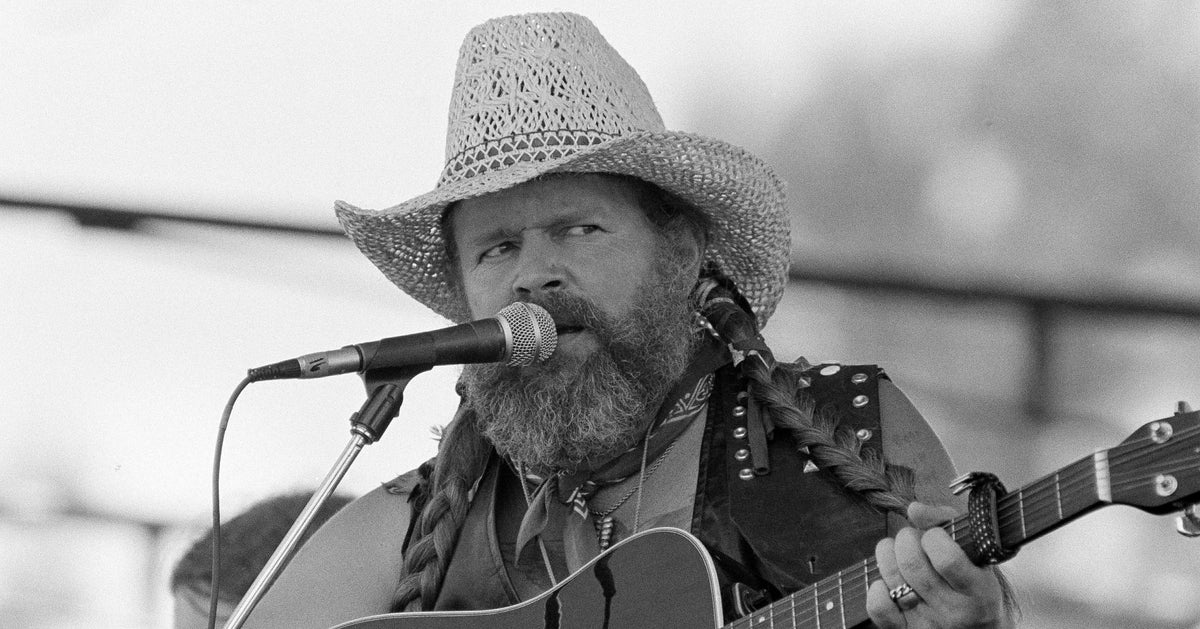
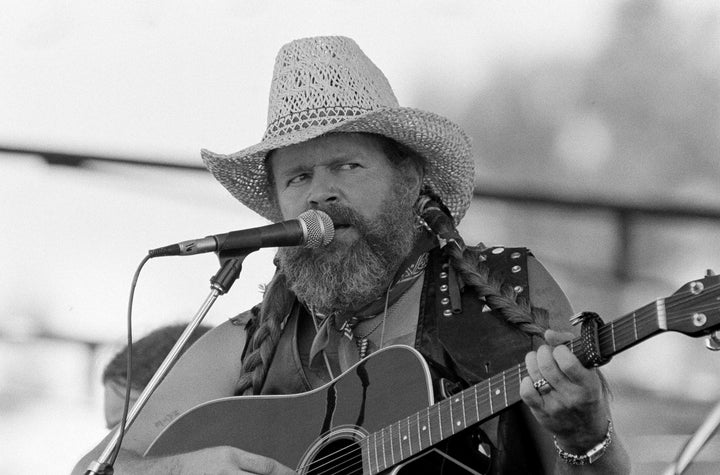
David Allan Coe, the country singer-songwriter who wrote the working-class anthem “Take This Job and Shove It″ and had hits with “Mona Lisa Lost Her Smile” and “The Ride” among others, has died. He was 86.

Coe’s wife, Kimberly Hastings Coe, confirmed his death to Rolling Stone on Wednesday.

She described him as one of the best singers and songwriters of our time.

“My husband, my friend, my confidant and my life for many years. I’ll never forget him and I don’t want anyone else to ever forget him either,” she wrote to the publication.

A statement from a Coe representative to People said he died around 5 p.m. Wednesday. The cause of death wasn’t disclosed.

Whether he was labeled outlaw or underground, Coe was clearly an outsider in Nashville’s music establishment, even throughout his successes as an in-demand songwriter and singer, eventually developing a core following around his raw, often obscene lyrics and a checkered, somewhat mysterious past.

His wife posted on Facebook in September 2021 that he had been hospitalized with COVID-19, and he made few appearances after that.

Coe toured over the years with Willie Nelson, Kid Rock, Neil Young and others. He wrote “Take This Job and Shove It,” a hit by Johnny Paycheck in 1977, and “Would You Lay With Me (in a Field of Stone),” a hit by Tanya Tucker in 1974. He was also the first country singer to record “Tennessee Whiskey,” penned by Dean Dillon and Linda Hargrove, which has since become a genre standard and a hit for both George Jones and Chris Stapleton.

Coe also appeared in a handful of movies, including “Stagecoach” and “Take this Job and Shove It,” which was named after his song.

“Spent so much time with David over the years, touring, writing songs and just hanging out,” Kid Rock wrote Thursday on X. “I knew a side of Dave most people never got to see. He was such a deep thinker, kind and about as real as an outlaw can get!”

Coe, born in Akron, Ohio, spent time in reformatories as a youngster and served time in an Ohio prison from 1963 to 1967 for possession of burglary tools. He also said he spent time with the Outlaws motorcycle club, but some tales about his prison time and his personal life have been wildly exaggerated over the years.

“I’d have never made it through prison without my music,” he said in a 1983 interview with The Associated Press. “No one could take it (music) away from me. They could put me in the hole with nothing to do, but I could still make up a song in my head.”

He recorded his first album, a blues album called “Penitentiary Blues,” using songs he wrote in prison. He later told reporters that he tried not to lean too heavily on prison as a song topic because of similarities to Merle Haggard’s backstory, but that his criminal history was all people seemed interested in.

Coe recorded next for Columbia Records and made the album “The Mysterious Rhinestone Cowboy,” which became his nickname after he performed in a rhinestone suit while wearing a mask.

In his debut at the Grand Ole Opry in Nashville, Coe performed “Get a Little Dirt on Your Hands” and “You Never Even Called Me By My Name.”

During the outlaw movement heyday, Coe placed himself at the center of the scene with songs like “Longhaired Redneck,” which featured lyrics about performing in dive bars, “where bikers stare at cowboys who are laughing at the hippies who are praying they’ll get out of here alive.”

He was featured in the acclaimed documentary about the outlaw country movement called “Heartworn Highways,” in which he performed a concert at a Tennessee prison.

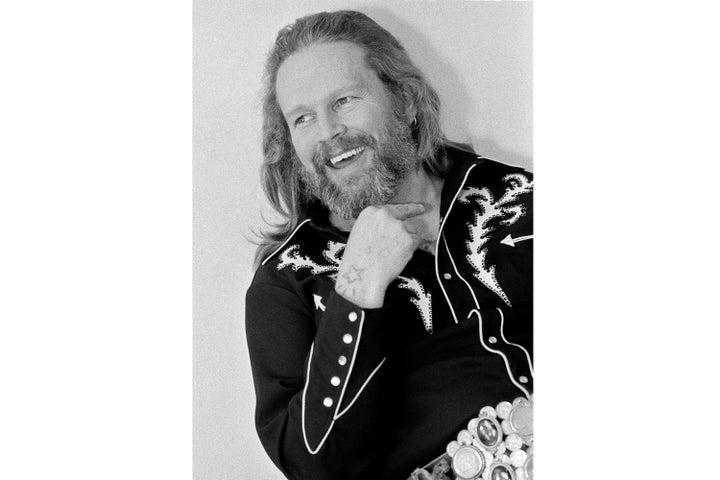
Coe, himself heavily tattooed and sporting long hair, claimed a diverse fan base that included bikers, doctors, lawyers and bankers. His last record, released in 2006, was a collaboration with Dimebag Darrell and other former members of the heavy metal group Pantera.

He released two R-rated albums, 1978′s “Nothing Sacred” and 1982′s “Underground Album,” that he sold via biker magazines. The songs on these albums have been criticized for being racist, homophobic and sexually explicit. He told “Billboard” magazine in 2001 that author and songwriter Shel Silverstein convinced him to record the songs he had written, something he had come to regret.

“Those were meant to be sung around the campfire for bikers, and I still don’t sing those songs in concert,” he said.

David Wade, a friend who worked on several projects with Coe, said the singer wanted people to be talking about him.

“He always said any press is good press,” said Wade, who runs music management company Neon Deuce.

They met in 1988 and Wade said he began working occasionally with Coe in 1996. Wade said a close family friend of Coe’s told him of the singer’s death.

“I learned a lot from David,” Wade said of Coe. “He was very complicated. I never found him to be racist. I never found him to be any of those things.”

They collaborated on a documentary about Coe that’s still in the works, according to Wade, who said he’s producing it along with actor Johnny Knoxville.

“David did hours of interviews for it,” Wade added. “It all comes down to money and getting the rights and clearances and everything for the songs.”

The documentary looks at Coe “being in prison, to being a biker gang member to being a songwriter,” Wade said.

In 2016, Coe was ordered to pay the IRS more than $980,000 in restitution for obstructing the tax agency and was sentenced to three years’ probation. Court documents say Coe earned income from at least 100 concerts yearly from 2008 through 2013 and either didn’t file individual income tax returns or pay taxes when he did file.

—

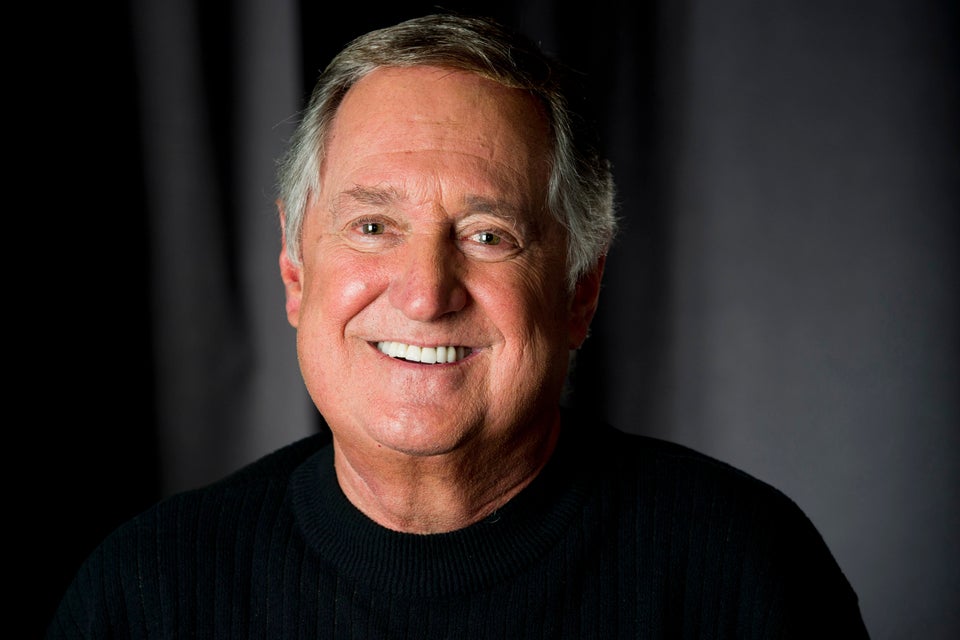
Neil Sedaka, the singer-songwriter behind dozens of hits such as “Breaking Up Is Hard to Do” and “Laugher in the Rain,” died on February 27, 2026. He was 86. Sedaka teamed with lyricist Howard Greenfield on songs that reflected the teen innocence of the post-Elvis/pre-Beatles era of the late 1950s-early 1960s, including “Happy Birthday Sweet Sixteen,” “Calendar Girl” and “Oh! Carol.”

Robert Carradine, the "Revenge of the Nerds" star who hailed from one of Hollywood's prominent acting families, died on February 23, 2026. He was 71. Carradine earned a generation of new fans by playing the father in “Lizzie McGuire” and also had a prominent role in the Oscar-decorated “Coming Home” (1978) and appeared in Quentin Tarantino’s “Django Unchained” (2012).

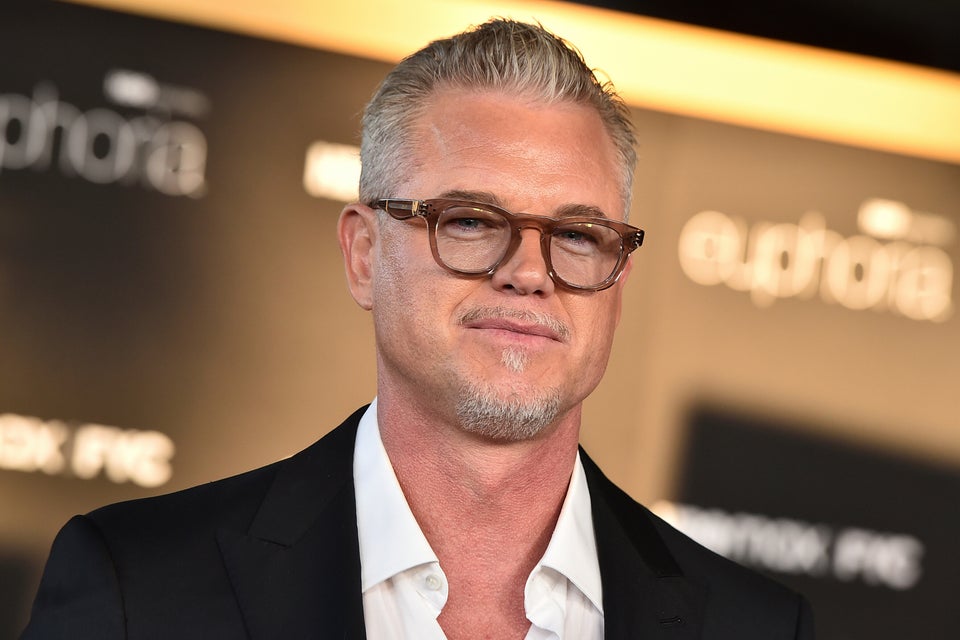
Eric Dane, the actor best known for his roles on “Grey’s Anatomy” and “Euphoria” and who later in life became an advocate for ALS awareness, died on February 19, 2026. He was 53. Dane developed a devoted fanbase when he was cast as Dr. Mark Sloan, aka McSteamy, on the ABC medical drama “Grey’s Anatomy,” a role he would play from 2006 until 2012 and reprise in 2021. In April 2025, Dane announced he had been diagnosed with ALS, a progressive disease that attacks nerve cells controlling muscles throughout the body.

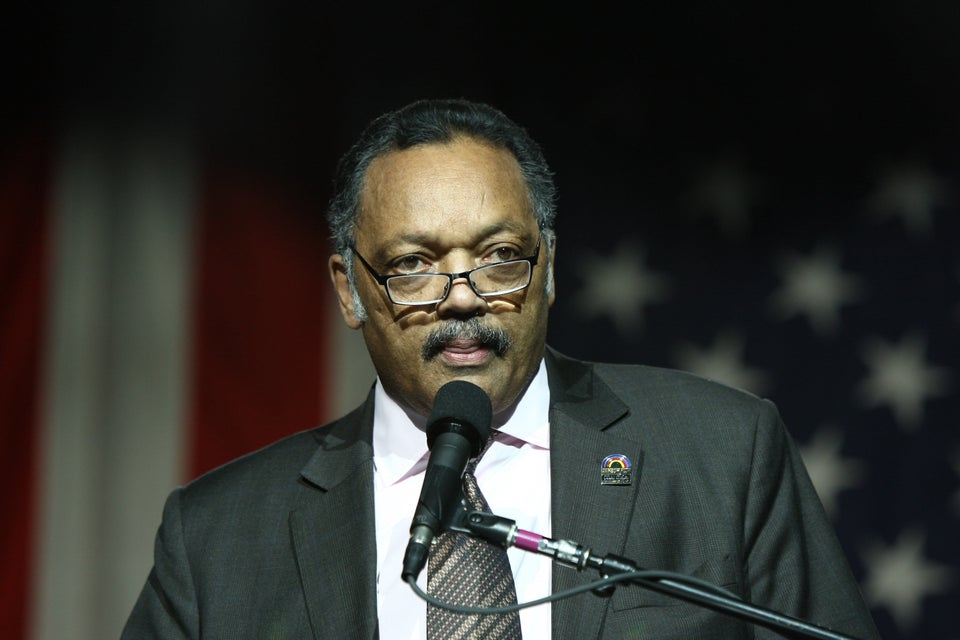
Civil rights leader Rev. Jesse Jackson, whose two presidential runs in the 1980s set the stage for today’s progressive movement, died on February 17, 2026. He was 84.

He participated in marches from Selma to Montgomery in Alabama and established a branch of the Martin Luther King Jr.-led Southern Christian Leadership Conference in Chicago. He was later appointed to lead SCLC’s economic arm, Operation Breadbasket.

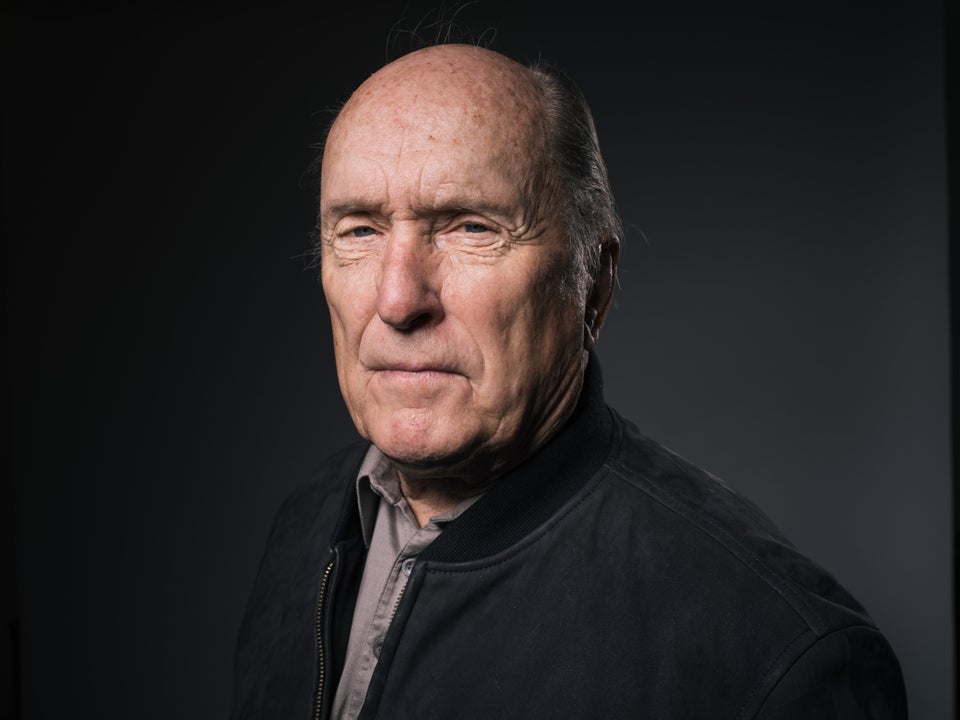
Robert Duvall, an acclaimed and prolific actor celebrated for his complex, rugged roles in films like “The Godfather,” died on February 15, 2026. He was 95. Duvall’s career spanned six decades, during which he accumulated many directing, producing and acting credits. He continued to work until late in his life, acting alongside Martin Sheen in 2021’s “12 Mighty Orphans,” a film about a football team at an orphanage in 1930s Texas, and appearing in 2002’s “Hustle.”

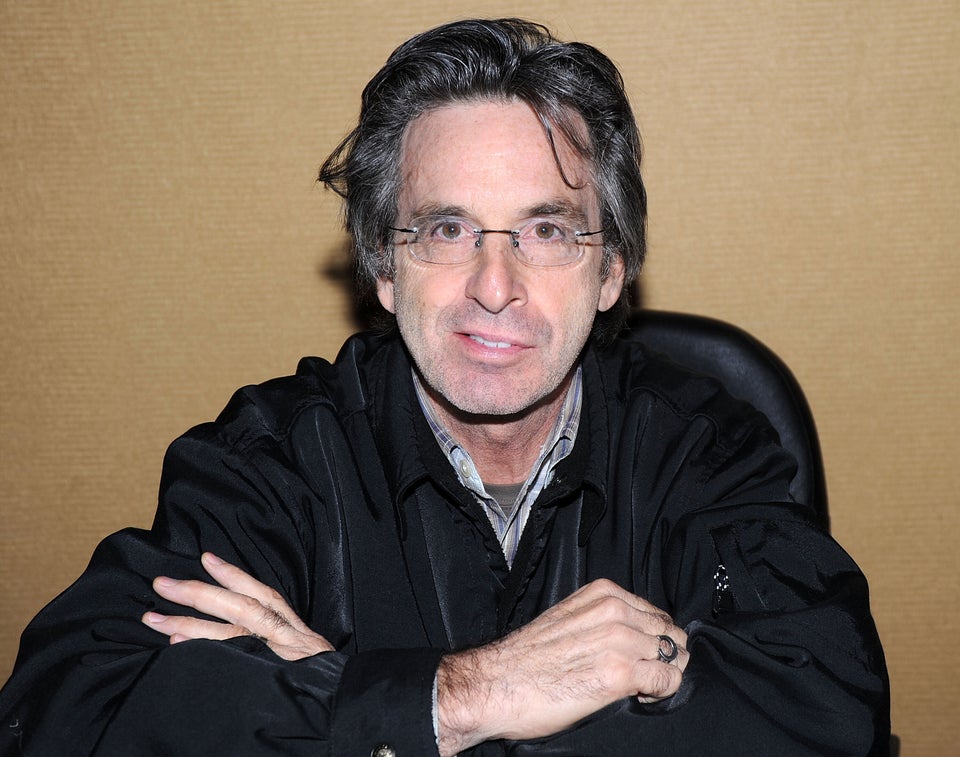
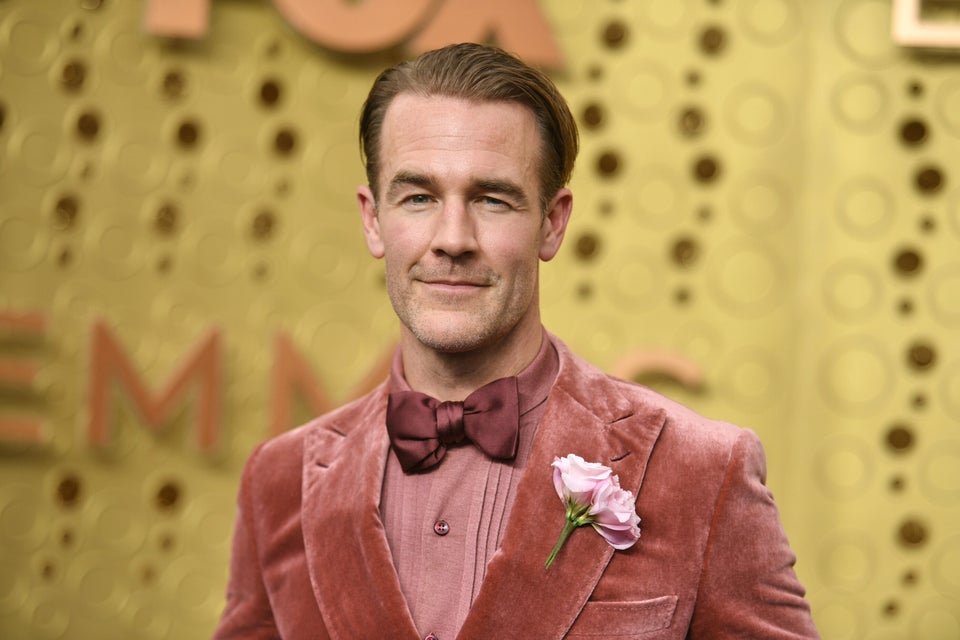
James Van Der Beek, star of the iconic teen drama series "Dawson’s Creek" in the late ’90s and early 2000s, died on February 11, 2026. He was 48. Van Der Beek had announced in November 2024 that he was diagnosed with colorectal cancer.

He participated in theater in middle school, and at 16, he made his professional debut off-Broadway in Edward Albee’s “Finding The Sun.” The next year, he made his feature film debut in the coming-of-age comedy “Angus.” He also starred in “Mercy,” “CSI: Cyber” and most recently “Overcompensating.” His film credits include “Varsity Blues,” “Bad Hair” and “The Rules of Attraction.”

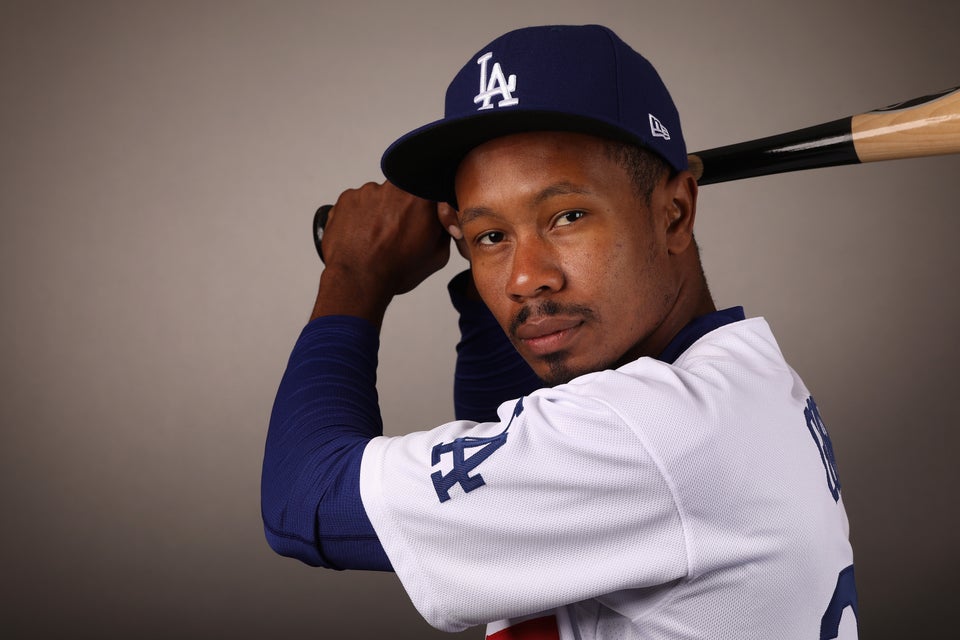
Terrance Gore, who was part of World Series championship teams as a speedy bench weapon, died on February 6, 2026. He was 34. He played in 11 postseason games as a pinch runner, stealing five bases in six attempts and scoring three runs. He was a part of a championship team with the Royals (2015), who drafted him with a 20th-round selection in 2011, the Los Angeles Dodgers (2020) and the Atlanta Braves (2021).

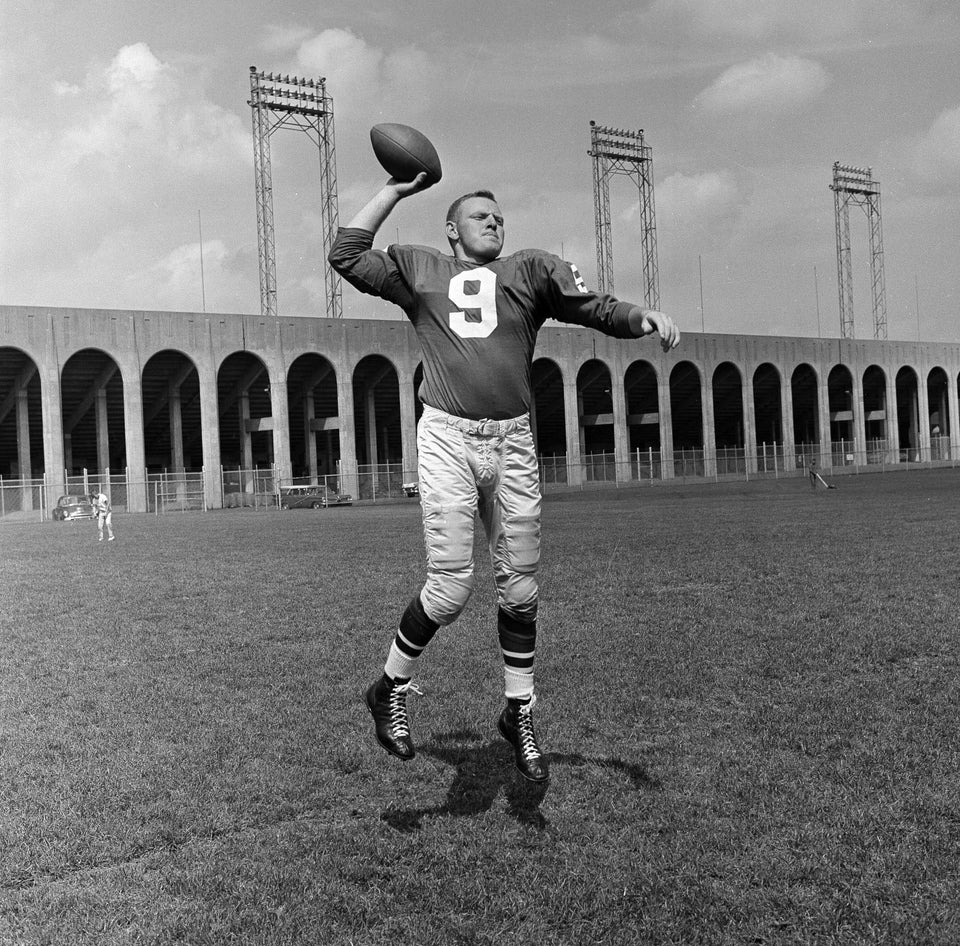
Hall of Fame quarterback Sonny Jurgensen died on February 6, 2026. He was 91. He topped 3,000 yards in a season five times, including twice with Philadelphia, in an era before rules changes opened up NFL offenses. He was inducted into the Pro Football Hall of Fame in 1983 and remains the only Washington player to wear the No. 9 jersey in a game.

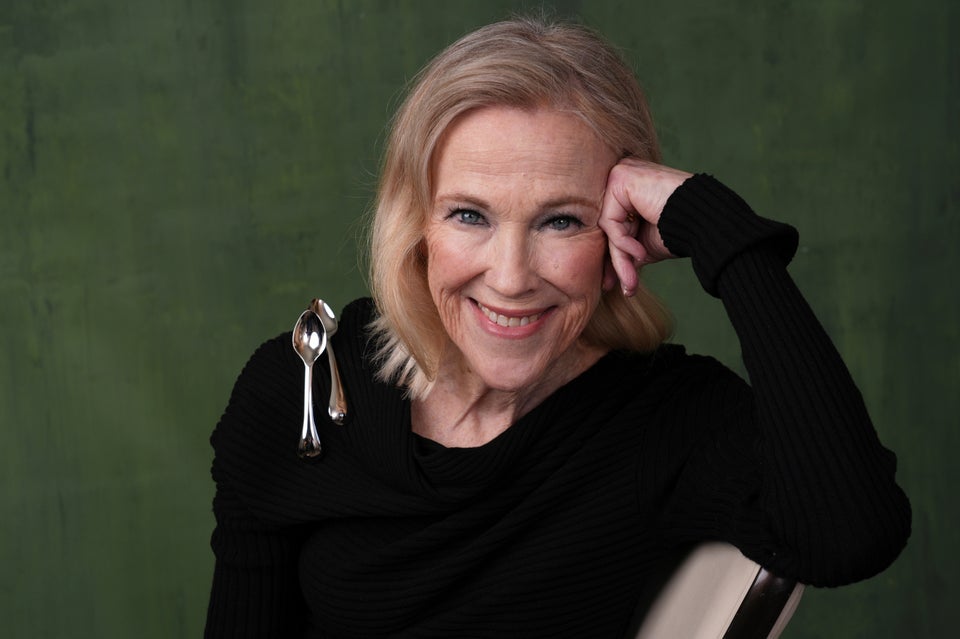
Beloved comic actor Catherine O'Hara, best known for her roles in “Schitt’s Creek,” “Home Alone,” “Best in Show” and countless other comedies, died on January 30, 2026. O’Hara, a two-time Emmy Award winner, was 71. O’Hara got her start in 1974 performing with The Second City, an improv comedy troupe with an outpost in Toronto, then joined the group’s spinoff production SCTV.

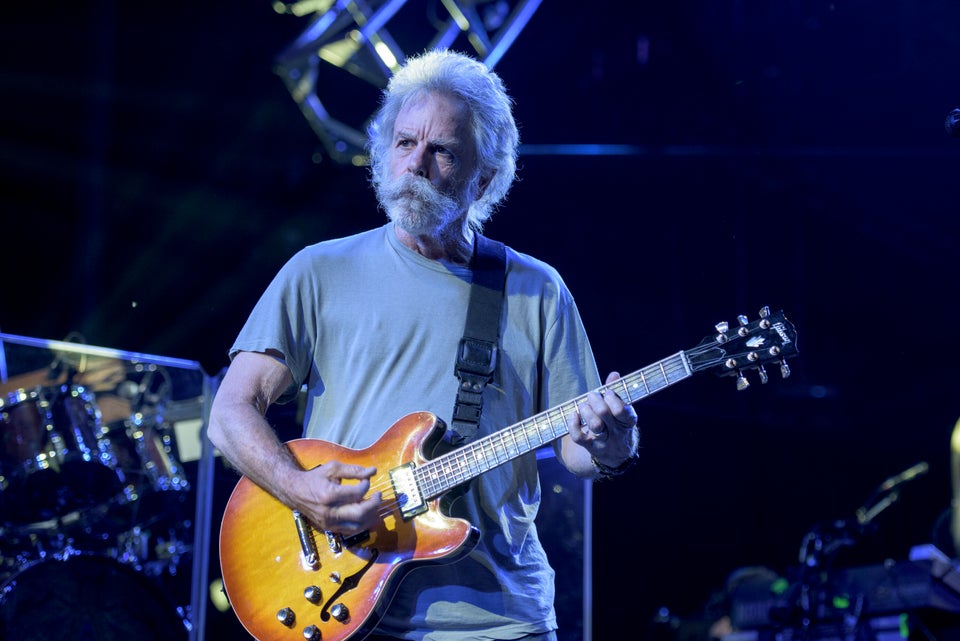
Veteran rock musician Bob Weir, the Grateful Dead’s rhythm guitarist who helped guide the legendary jam band, died on January 10, 2026. He was 78. It was Weir who sang the verses on the band’s trademark boogie anthem, “Truckin’,” and who wrote such key songs as “Sugar Magnolia,” “Playing in the Band” and “Jack Straw.”

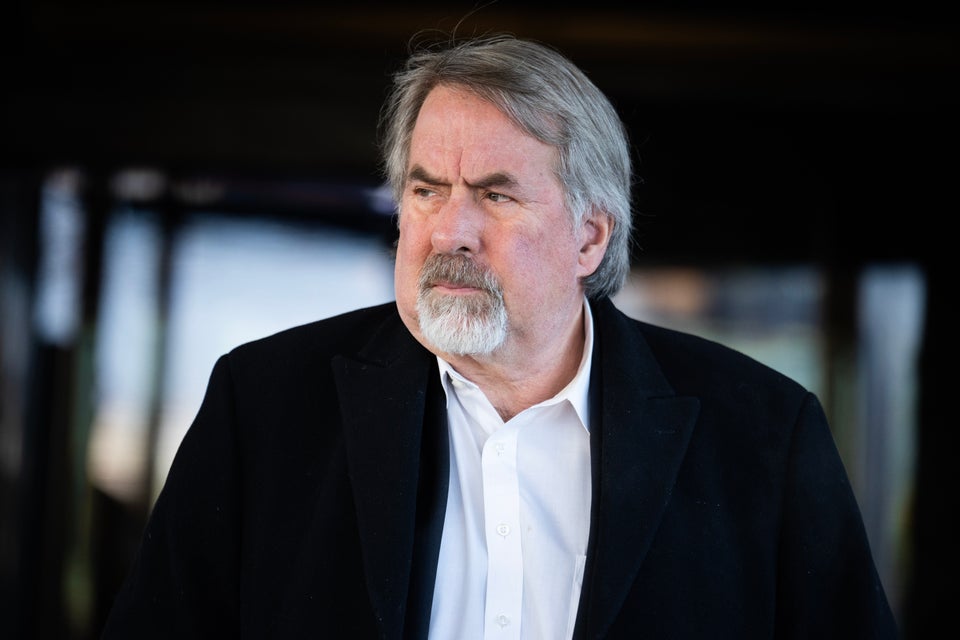
Republican Doug LaMalfa, a seven-term U.S. representative from California and a reliable vote on Trump’s agenda, died on January 6, 2026. He was 65. LaMalfa was first elected to Congress in 2012 and represented Northern California’s 1st District, along the Oregon border, including Redding and reaching just north of Sacramento.

By entering your email and clicking Sign Up, you're agreeing to let us send you customized marketing messages about us and our advertising partners. You are also agreeing to our Terms of Service and Privacy Policy.