huffpost Press
Supreme Court Rules For Anti-Abortion Pregnancy Center
Images
1 / 4

2 / 4
3 / 4

4 / 4
The Supreme Court on Wednesday ruled in a unanimous decision that an anti-abortion pregnancy center had the right to challenge an order to disclose information about their donors in First Choice Women’s Resource Centers, Inc. v. Davenport.

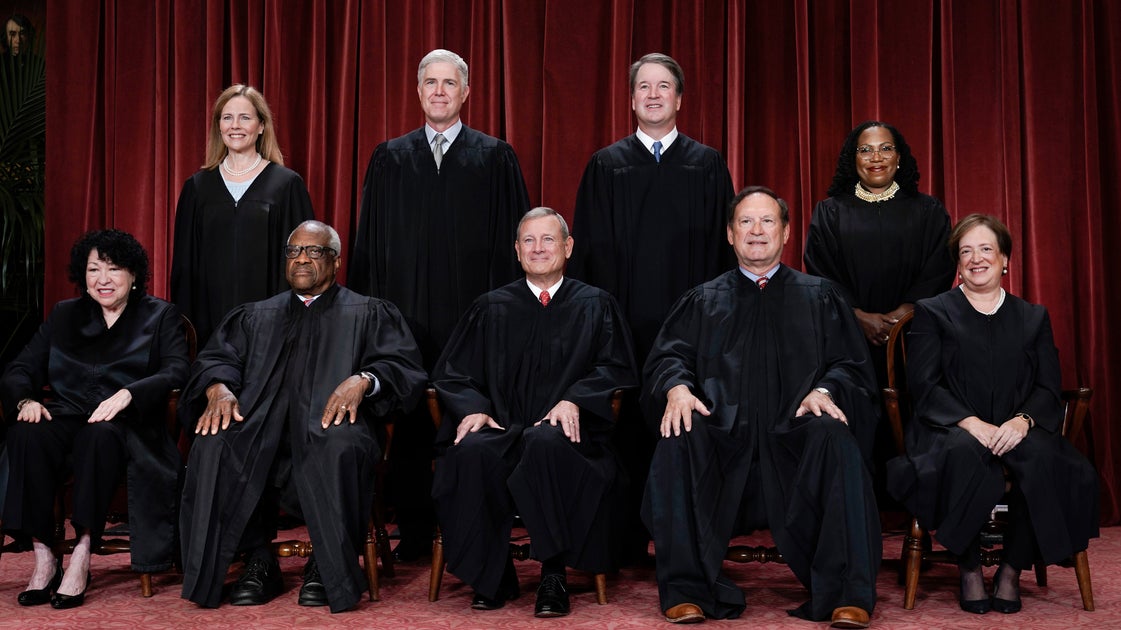
The ruling hinged largely on the First Amendment rights of both First Choice, an anti-abortion pregnancy center, and the donors who support it. The majority ruling, written by Justice Neil Gorsuch, held that the subpoena for the disclosure threatened the First Amendment right to association of the organization, which gave the organization standing to sue in federal court under Article III.

“This Court has long held that ‘compelled disclosure of affiliation with groups engaged in advocacy may constitute as effective a restraint on freedom of association’ as more direct forms of suppression ... and thus has repeatedly subjected demands for private donor or member information to heightened First Amendment scrutiny,” Gorsuch wrote in the opinion.

The ruling is a big win for First Choice and other anti-abortion pregnancy centers because it sets the precedent that these centers can skirt state regulation by going straight to the many anti-choice, pro-Trump federal courts.

The case hinged on a procedural question stemming from a 2023 subpoena from then-New Jersey Attorney General Matthew Platkin, investigating whether the organization was “misleading donors and potential clients into believing that it was providing certain reproductive health care services.” The court was technically considering whether First Choice’s decision to fight Platkin’s subpoena in federal court was appropriate, or if it should have started in state court. The downstream effects, however, will likely make it easier for these kinds of pregnancy centers to wriggle out from regulations meant to protect patients.

Alliance Defending Freedom, the conservative legal group behind every recent high-profile attack on abortion, represented First Choice. The Trump administration’s Department of Justice also joined the case, arguing on the side of First Choice.

In the ruling, Gorsuch noted the narrowness of the technical question. “We are not asked to decide the merits of First Choice’s federal lawsuit, only whether it may proceed,” he wrote.

Ultimately, the court agreed with First Choice’s argument that the subpoena’s demand for donor info had “caused it to suffer an actual and ongoing injury to its First Amendment rights by deterring donors from associating with it.”

Anti-abortion pregnancy centers, also known as crisis pregnancy centers, have a well-documented history of luring pregnant women seeking abortion to their clinics under the guise that they offer abortion services. First Choice’s website features a tab for abortion services, including abortion procedures, abortion costs and after-abortion care; in small print at the bottom, it identifies as “an abortion clinic alternative” that does not offer abortion services.

These faith-based organizations — which often intentionally move in next to real brick-and-mortar abortion clinics — don’t offer abortion services and sometimes shame women or discourage them from terminating their pregnancy. Many of the country’s roughly 2,600 crisis pregnancy centers give women scientifically inaccurate information from staff who do not have medical licenses or training.

Despite these organizations being a multibillion-dollar industry funded by taxpayers, they are largely unregulated, a 2025 report from Reproductive Health and Freedom Watch shows.

By entering your email and clicking Sign Up, you're agreeing to let us send you customized marketing messages about us and our advertising partners. You are also agreeing to our Terms of Service and Privacy Policy.