Press
F1: Do you have to be a millionaire to make it to the top of the sport?
Images
1 / 20
2 / 20
3 / 20
4 / 20
5 / 20
6 / 20
7 / 20
8 / 20

9 / 20

10 / 20

11 / 20

12 / 20
13 / 20

14 / 20

15 / 20
16 / 20
17 / 20
18 / 20
19 / 20
20 / 20
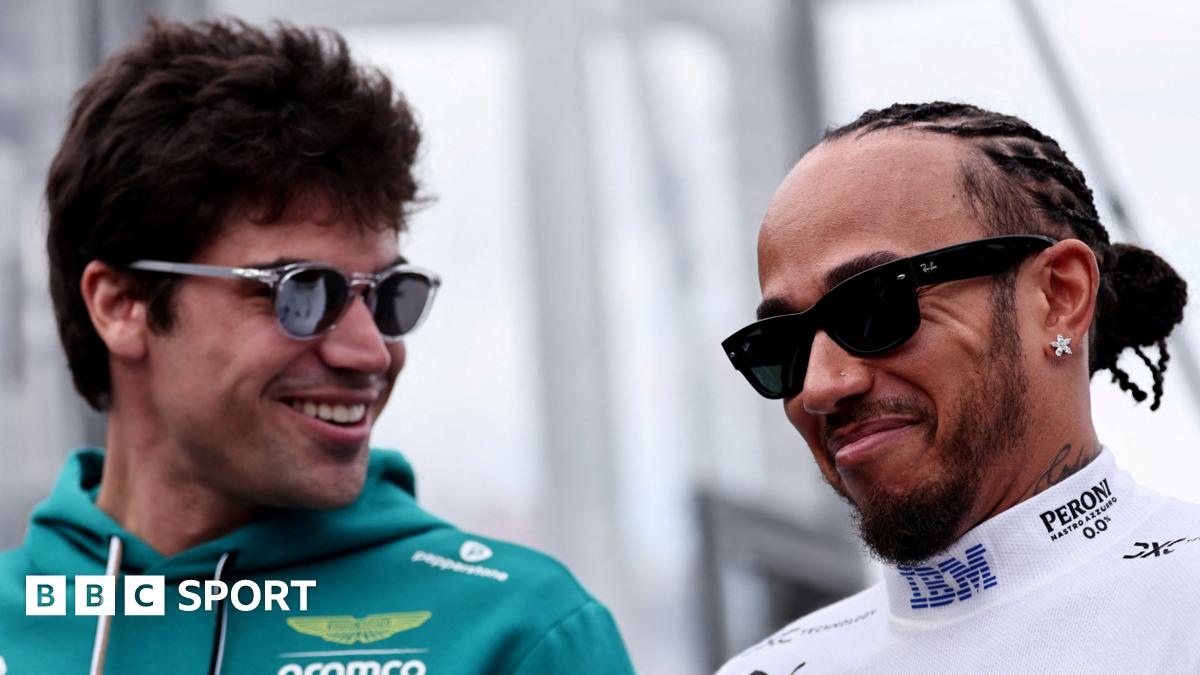
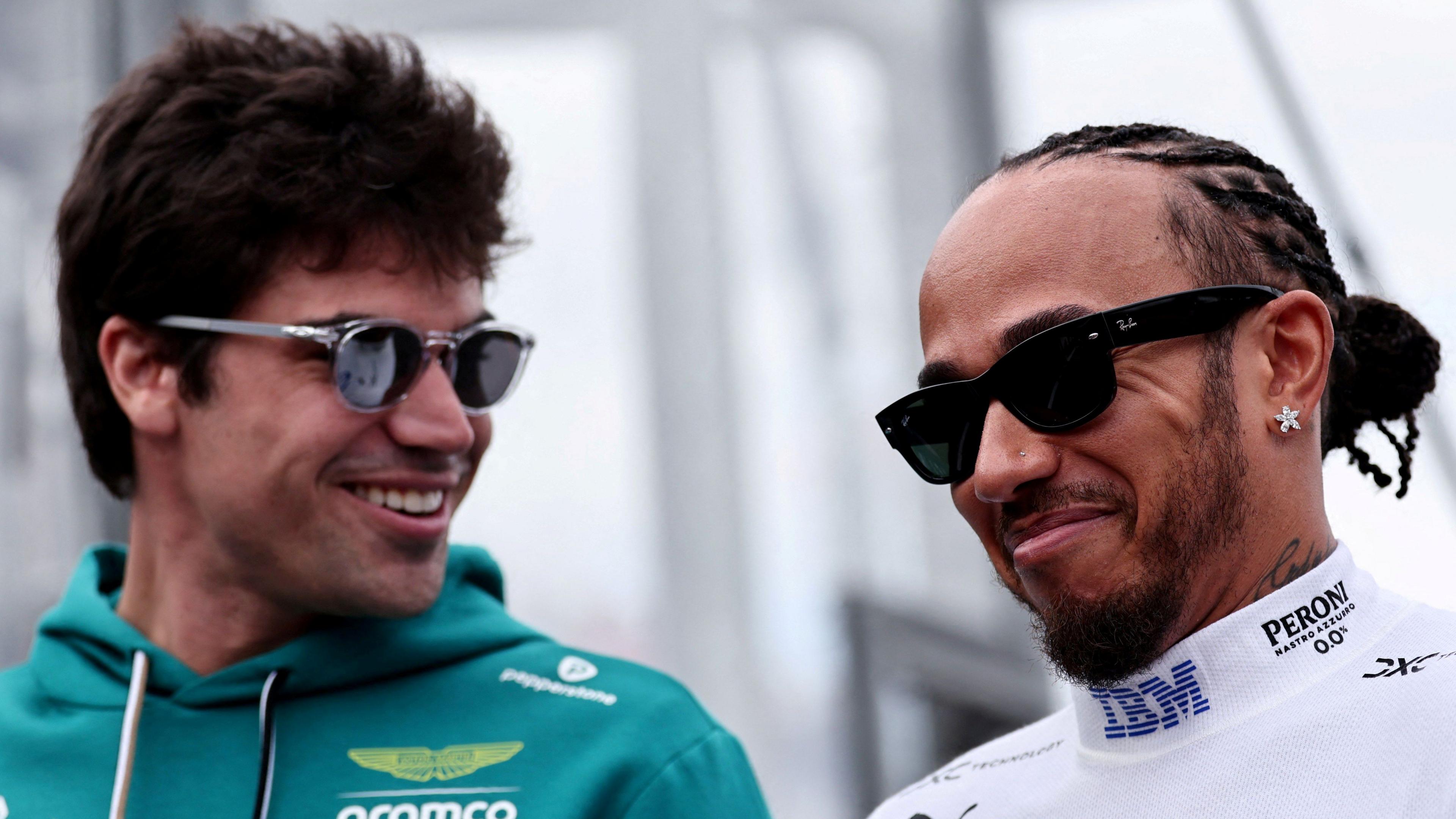
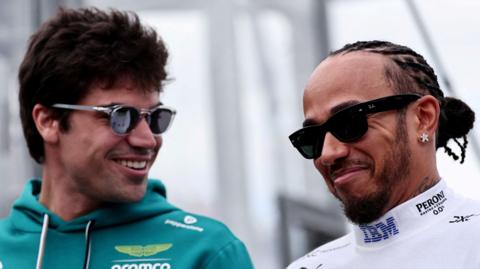
Lance Stroll's F1 career has been financed by his billionaire father Lawrence, who owns the Aston Martin team. Lewis Hamilton's father Anthony worked multiple jobs to fund his son's early career

Motor racing is expensive. That's no secret. But just how much money does someone need if they want to make it as a Formula 1 driver?

A glance at the current grid provides a contradictory picture. At one extreme is Aston Martin driver Lance Stroll, whose father Lawrence is a billionaire businessman who not only funded his son all the way to F1, but bought him a team in which to race.

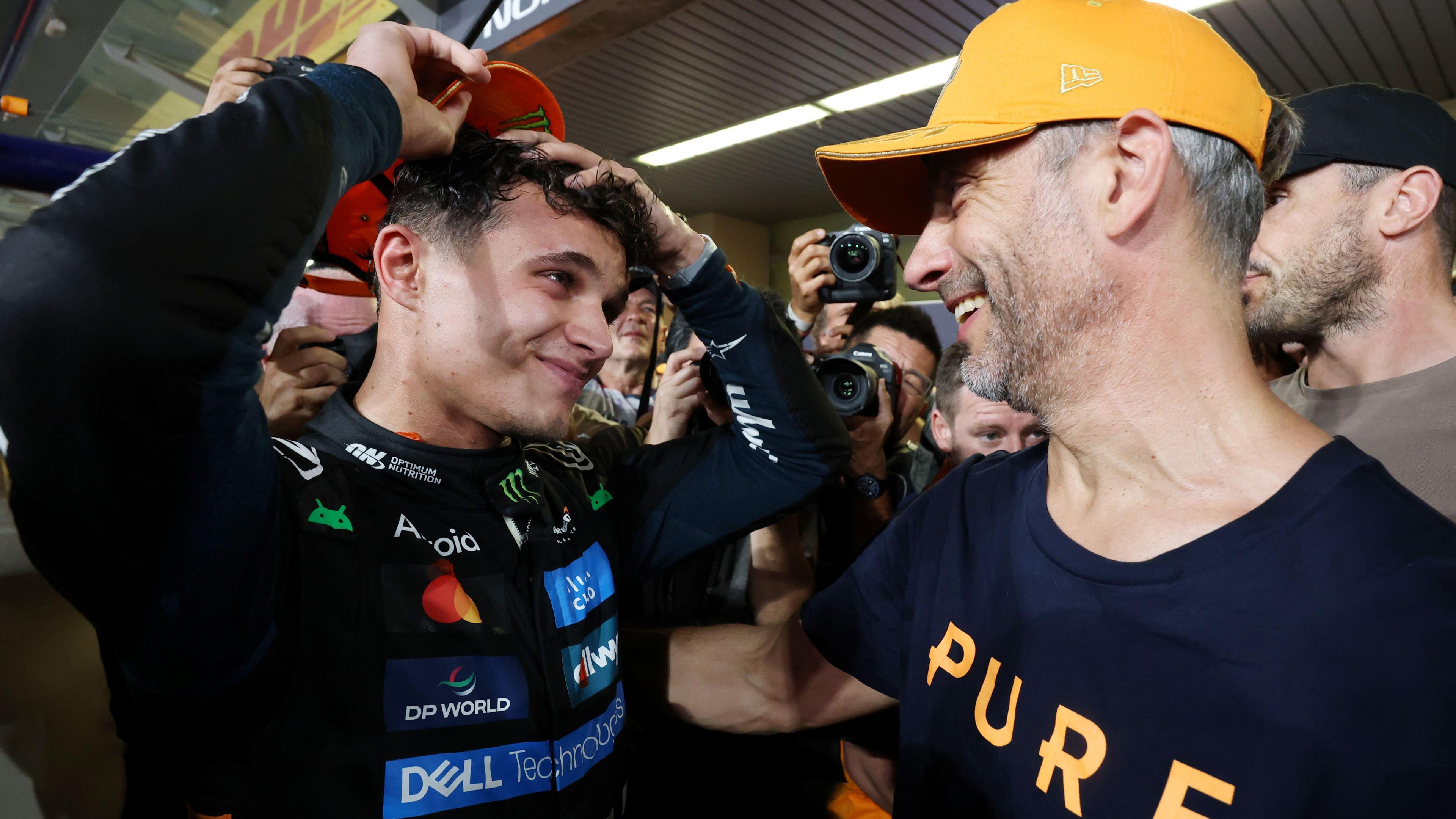
World champion Lando Norris graduated through the ranks funded by the millions his father Adam made as a pensions trader, which made him one of the richest men in Britain.

But two-time world champion Fernando Alonso comes from a humble background. His father was an explosives engineer for a mining company in a little-known part of northern Spain, his mother worked in a department store.

Likewise seven-time champion Lewis Hamilton, whose father Anthony famously worked as many as four jobs at a time to fund his son's early career before he was picked up by McLaren aged 11.

Hamilton's team-mate Charles Leclerc's family had run out of money to pursue his career by the time he was 13, before he was picked up by driver manager Nicolas Todt, who helped secure him a place in the Ferrari driver academy.

But Alonso and Hamilton are both over 40. Leclerc is 28. What about people trying to make it now? Do they have to be millionaires?

"Unfortunately, today, I think so, yeah," says Mercedes driver George Russell, who grew up in Norfolk, where his father had a business selling seeds.

"My father spent everything we had on my career. He sold his business, and the total sum he invested was about £1m over 12 years, which is a huge amount of money.

"If I started karting today, I don't think I'd be able to get there. Karting is so expensive. There's kids in karting who are spending the same money as Mercedes spent for me to race in GP3.

"There's a number of drivers on the grid today, top drivers, I don't think they'd be able to get to F1 if they started today."

Even Russell, 28, was an exception. His family funded his career until he made it to GP3 - two steps below F1. Then, aged 16, he was picked up by Mercedes, who fully funded his seasons there and in Formula 2.

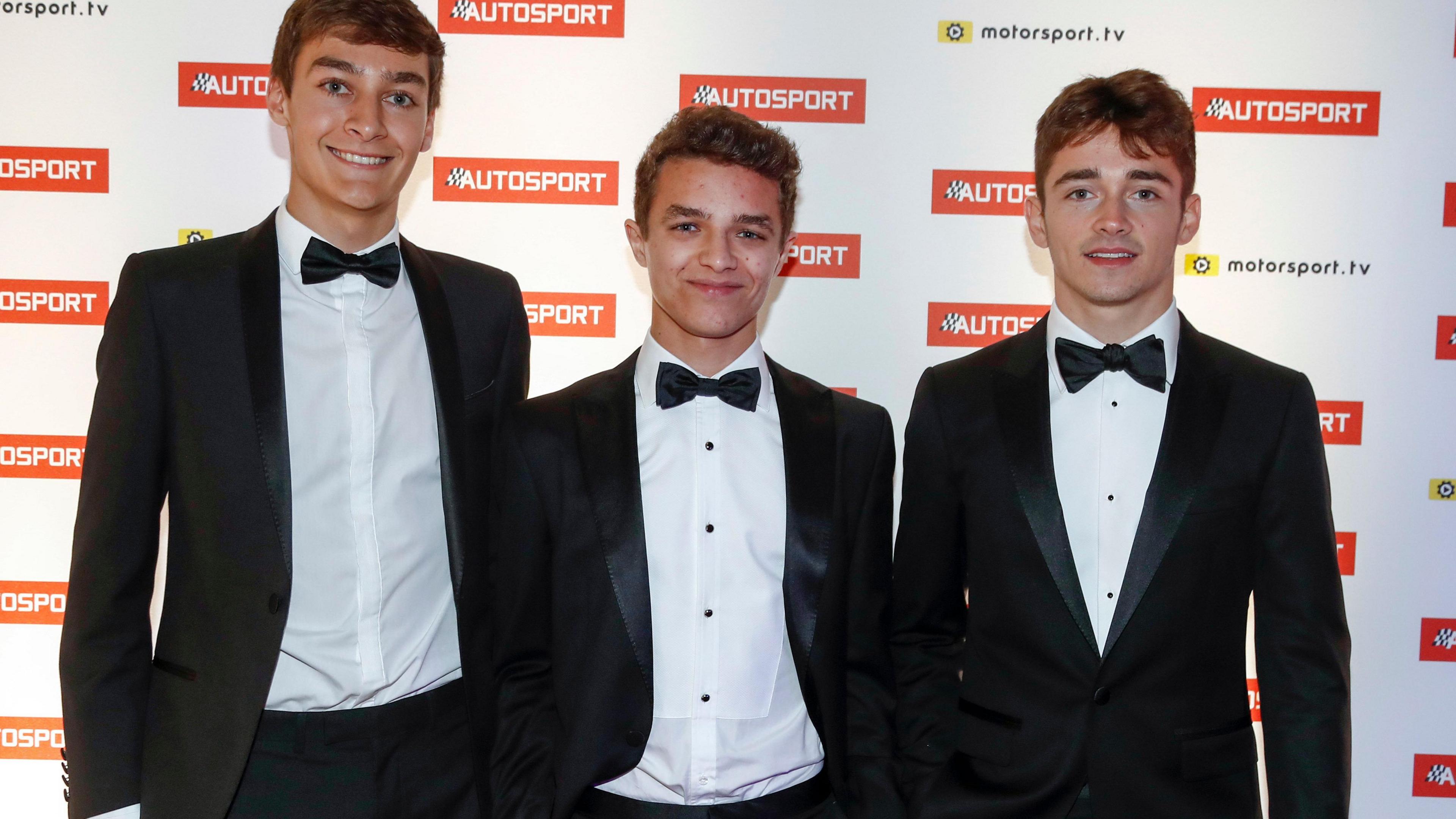
Current F1 drivers (left to right) George Russell, Lando Norris and Charles Leclerc at the 2017 Autosport Awards. Leclerc had just won the F2 championship, Norris the F3 title and Russell the GP3 Series

So, what does it cost now to try to make a mark in the categories below F1?

The numbers are eye-opening.

Jos Verstappen - father of four-time F1 champion Max - is still very active in karting, where all racing drivers have to cut their teeth. He says it costs 10-15,000 euros (£9-13,000) a race to buy into a team.

For a full season in the mainstream championships, an eight-year-old would be looking at about £130,000. A 13-year-old £220,000-£260,000.

Move up into cars, and a season of the entry-level Formula 4 category would be £520,000. In Freca - the next level up - that rises to £1m for a season that includes series in Europe and the Middle East.

Formula 3 costs £1.3m-£1.6m. Move up to F2, the final category before F1, and those numbers become £2m-£2.3m.

But not everyone pays the same. Deals can be struck for the right drivers. In multi-car teams, it's not uncommon for less-talented rich drivers to fund the seats of quicker, less wealthy ones.

Russell - earmarked for the top - says he paid £800,000 for his title-winning F2 season in 2018.

But even so, those numbers are out of reach for all but a tiny proportion of society.

Budgets have increased significantly in real terms in the past 30 years.

Back in 1994, a season of British Formula 3 - which then was the leading international championship - cost about £250,000 in a top team. The equivalent in Formula 3000 - what has now become F2 - was £500,000.

Adjust those numbers for inflation, and they are the equivalent of £500,000 and £1.1m today. So why have costs effectively increased threefold?

The answer to that is rooted in how the championships have developed. Within 10 years, the cost of an F3 season had almost doubled to £500,000. That's the equivalent of about £1.1m now.

In 2005, F3000 became GP2 and was taken over by then Renault F1 team boss Flavio Briatore and his business partner Bruno Michel.

F3 and F3000 had competition between chassis and engine companies. GP2 and GP3, and their successors F2 and F3, are one-make formulae; everyone has to use the same chassis and engine.

The idea is to ensure equality of equipment, the better to compare drivers. Michel negotiates a supply price with F2 and F3's chassis and engine partners, and says he demands the best offer.

"I'm trying to diminish as much as possible the burden of the cost of the cars on the teams," he says.

But the circumstances of those championships have changed significantly.

British F3 was held entirely in the UK. F3000 was European, and generally held at its own standalone events - quite often at lesser-known tracks - only occasionally joining the bill at a grand prix.

Now, both F3 and F2 are part of the F1 package, and the number of races involved in a season has increased significantly. Every extra race costs money - even if it's on the same weekend at the same track - not least in crash damage.

Racing alongside F1 brings significant benefits in terms of exposure, but also a downside when it comes to cost.

The championships have become international, and while F2/F3 covers freight costs centrally, being on the F1 support bill means personnel have to travel to cities hosting grands prix.

As the cost of F1 has increased, it has a knock-on effect for the junior categories. Flights and hotels are more expensive. And the cost of labour has gone up, because the junior categories are competing for personnel with the likes of Formula E and the World Endurance Championship. So the packages engineers and mechanics are offered have to be more competitive.

On top of that, the cars have been made more similar to those in F1, so are more expensive to produce. And safety standards have also improved significantly, as they have in F1. But that also comes at a cost.

Karun Chandhok - now a Sky F1 commentator - says he paid 1.7m euros for his F2 season in 2008. That's the equivalent of 2.2m euros now.

So, give or take, that means F2 has tracked inflation since then.

Although the prices of equipment and spares go up about 15% each time a new car design is introduced, F2 and F3 CEO Michel says he considers the wider economic environment when decisions are made about upgrading cars and insists: "We used to make a bigger margin at the time of GP2 on the spare parts than we do now."

It's karting where costs have really exploded in recent years, insiders say.

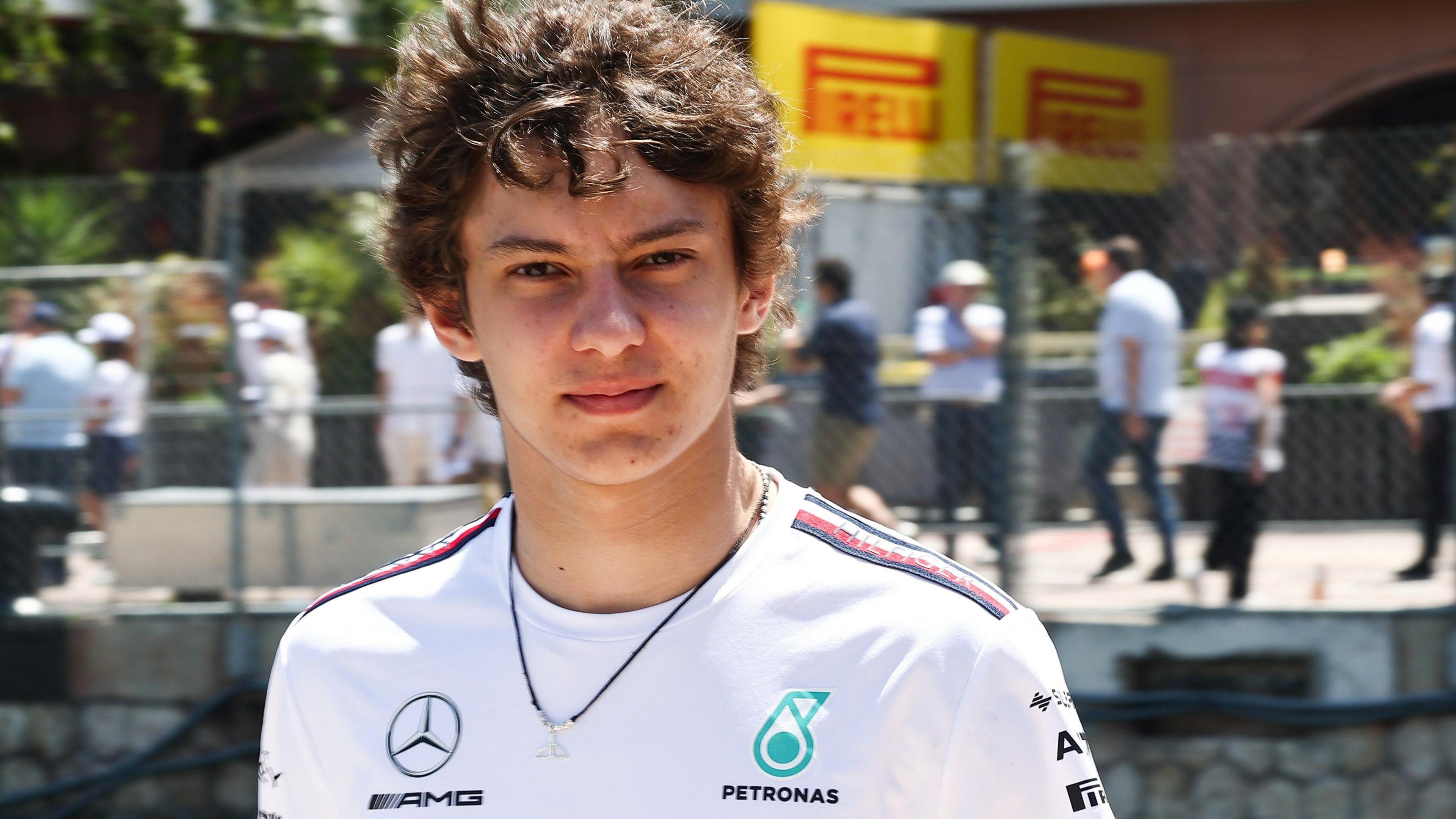
F1 championship leader Kimi Antonelli, pictured when he was 16, was taken on by Mercedes aged 11

In recent years, F1 driver-development programmes have expanded, and they are now the standard way to make it.

But just because a driver gets picked up by an F1 team, it doesn't necessarily mean the days of needing to find funding are over.

Russell is a very rare case - most F1 academies do not pay the entirety of the fees, so the driver will still have to find some money to cover whatever is left.

Most drivers source the sponsorship they need from family connections of one kind or another. Persuading external businesses to part with these sorts of sums just to back an aspiring racing driver is extremely difficult.

Russell's 19-year-old team-mate Kimi Antonelli has also benefited from being part of the Mercedes junior programme. He was taken on by the German manufacturer in 2018, when he was 11.

Mercedes currently has a roster of as many as nine junior drivers, external and some of them have made it this far thanks to new affordable karting initiatives. One of these is run by a category called Champions of the Future., external

For example, 12-year-old Italian Niccolo Perico won the Champions of the Future Academy Trophy last year. That series costs 23,950 euros (£20,800) for six rounds, three in Europe and three outside, according to its president James Geidel.

"The Champions of the Future Academy was kind of born because I thought the sport should just be more simple," Geidel says. "And a little bit more affordable, because top-level racing is expensive.

"But it's like everything, right? Take gymnastics. If you do it at home and a local club, it's cheap. But if you try to go to the Olympics, it's expensive."

And in the UK, FAT Karting, external - co-founded by former Ferrari and Williams engineer Rob Smedley - offers arrive-and-drive packages for £406 a race for a six-year-old.

Smedley says a driver can spend £5,000 a year to go through his system. And FAT has an "elite athlete programme" that promises to fully fund winners through F4, F3 and F2.

A spokesperson for motorsports governing body the FIA said: "Improving accessibility and affordability across the motorsport pyramid is a core priority for the FIA.

"But it is important to recognise that many of the costs associated with competing - including travel, logistics and team operations - are outside the direct control of the regulator. These costs have also been impacted by wider economic factors over time.

"Within its remit, the FIA has taken significant steps to control costs by promoting standardisation, limiting areas of technical development, and strengthening structured pathways such as Formula 4 and Formula Regional, which provide more cost-controlled entry points into single-seater racing."

The FIA said it focuses the majority of its efforts at the grassroots level, where it has initiatives aimed at lowering barriers to entry, and launched a global karting plan in 2024 which includes 'Arrive and Drive' competitions where drivers compete in standardised, leased karts., external

The spokesperson says: "This format reduces costs by up to two-thirds compared to traditional international karting, while maintaining a strong focus on driver talent."

Adam Norris congratulates his son Lando after he won the 2025 F1 drivers' championship at the Abu Dhabi Grand Prix

If all of this sounds like motorsport is unattainable to all but a privileged few, it's worth bearing a couple of things in mind.

By its nature, motorsport is expensive. It requires a high-tech machine, rather than a ball and/or bat, to do it. And it's not a sport that can be practised after school every day. Aspiring racing drivers have to go to multiple events a year. That means travel, and travel is expensive in itself, even before taking into account the cost of participation.

Beyond that, it's worth considering the context of the wider ambition for anyone setting out with a dream of getting to F1.

The reality is that the odds of making it to F1 are less favourable than making it into space - there are more astronauts in the world than F1 drivers.

And yet drivers who are not from super-rich families still make it somehow. And, of those who get involved, the best drivers generally get through the categories.

Michel says: "When we see the guys arriving in Formula 3 and being very special, they have already all the backing. They have management.

"So I'm not at all worried about that. I've been in this business for 25 years, 30 years now. I have never seen a really strong driver not making it to the following step."

Bottom line. Does a family need a significant disposable income to start in motor racing? Yes. Do you personally need to be a millionaire to make it to F1? No. But to make it all the way, millions are required, and somebody has to pay them.

A young driver with aspirations of becoming world champion and the talent to do it, has to find who that is and prove they're good enough to make the investment worthwhile.

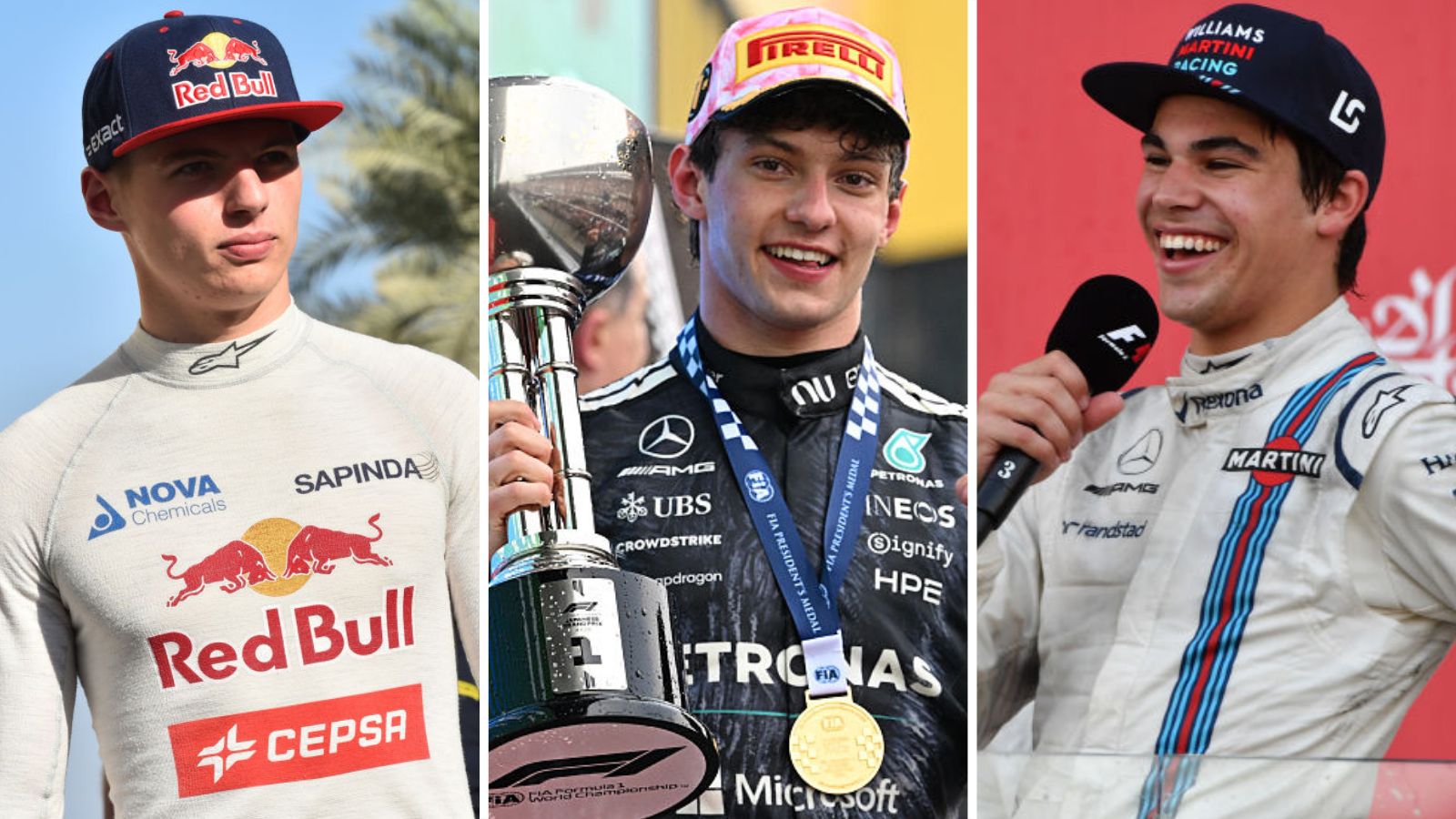
What do you know about teenagers in F1?

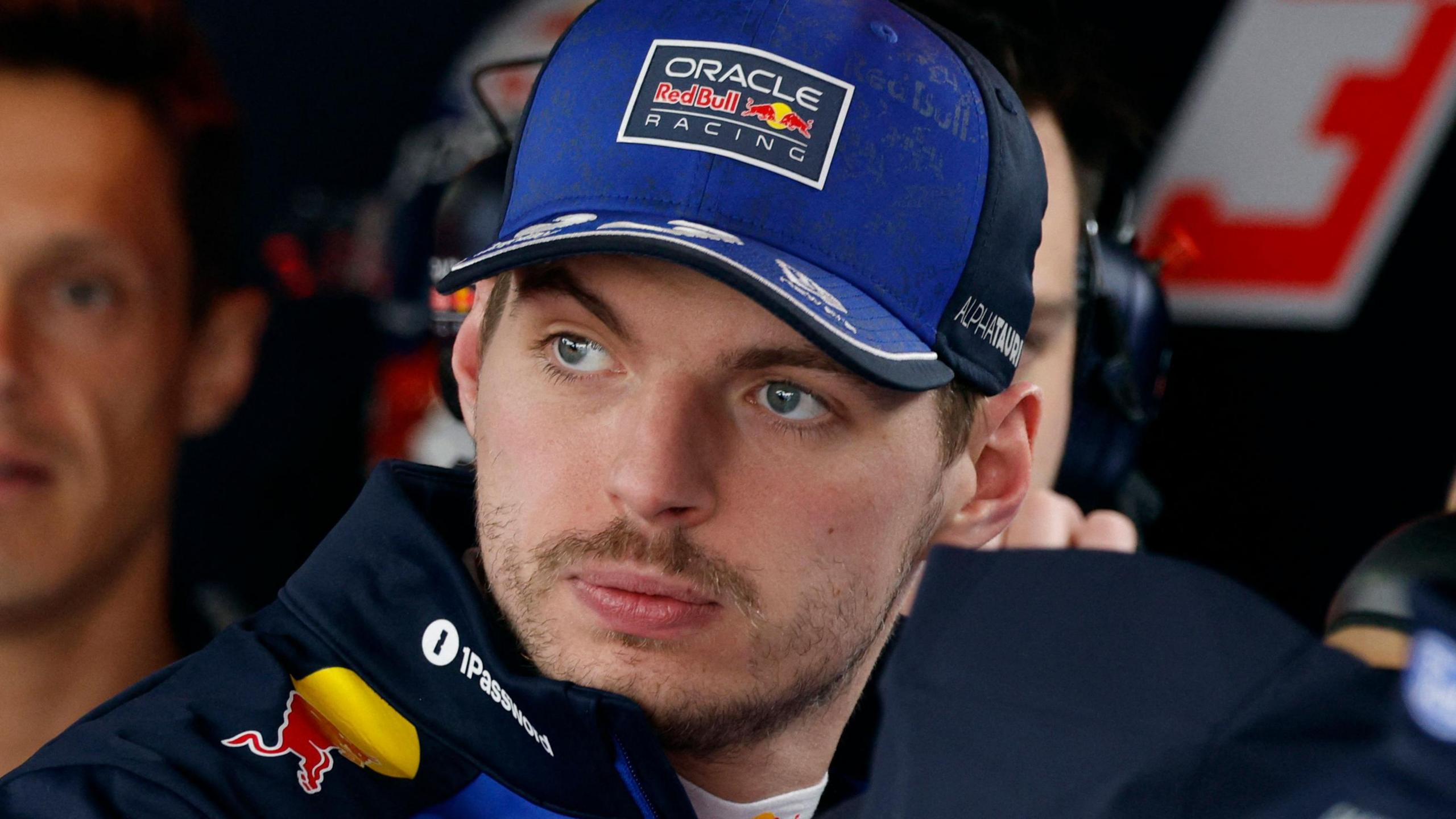
Why Verstappen is 'keystone' to driver market - F1 Q&A

Andrew Benson Q&A: Send us your questions

Chequered Flag Extra: Ayao Komatsu On The Rise Of Haas

Comments can not be loaded

To load Comments you need to enable JavaScript in your browser