yahoo Press
Former Sen. Ben Sasse, Bleeding from His Face, Shares Brutal Reality of Terminal Cancer at Age 54
Images
1 / 11
2 / 11

3 / 11

4 / 11

5 / 11

6 / 11
7 / 11

8 / 11

9 / 11

10 / 11

11 / 11
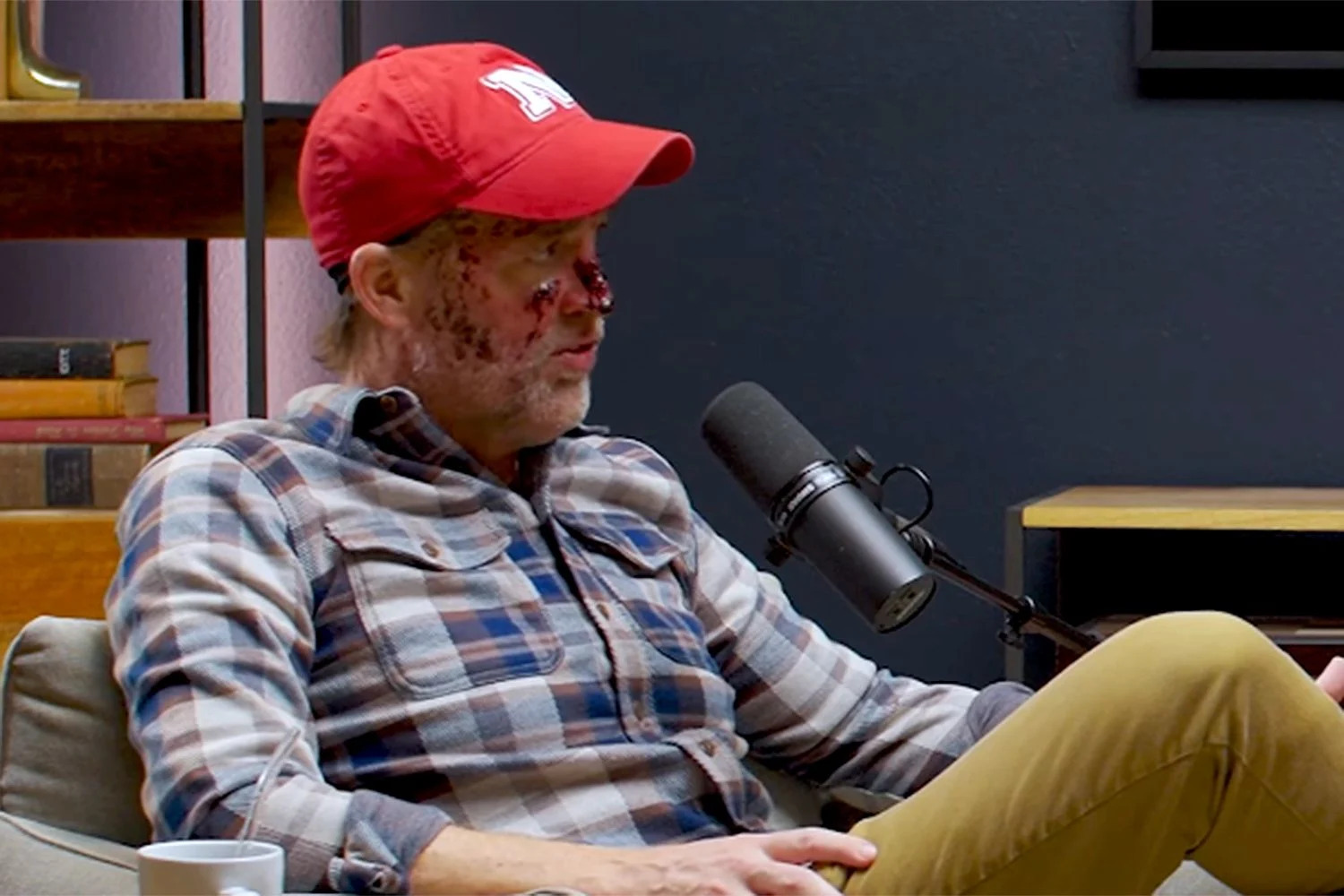
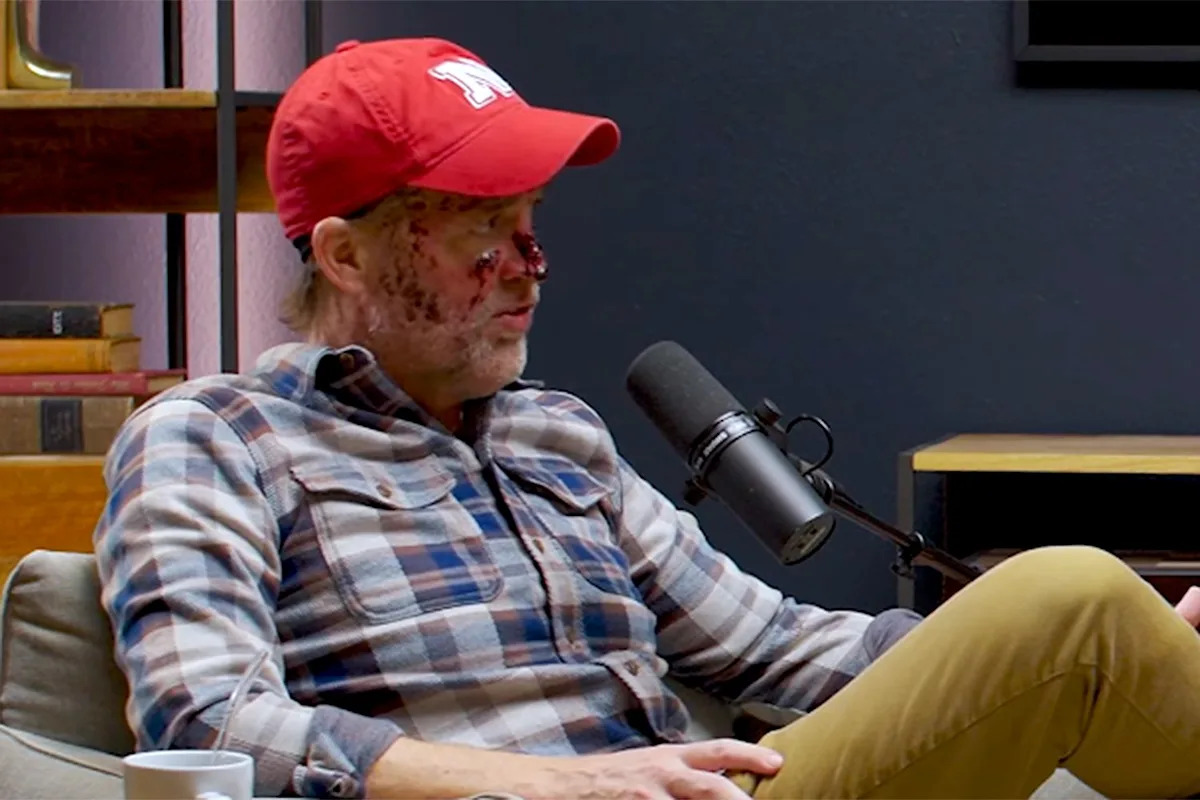
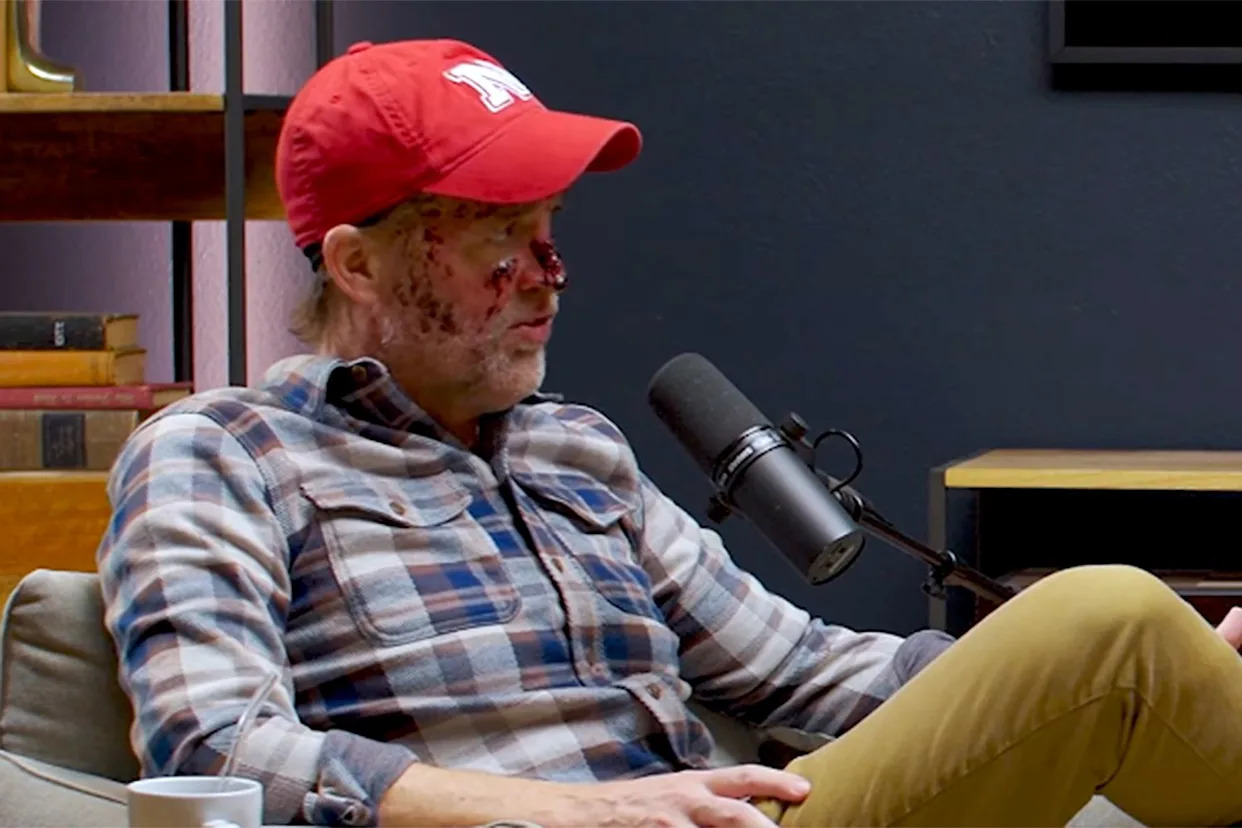
With blood on his face, former Nebraska Sen. Ben Sasse sat down with The New York Times to open up about his painful experience with terminal cancer

Sasse, 54, was diagnosed with stage 4 inoperable pancreatic cancer in mid-December and said he learned his "torso is chock-full of tumors"

A new drug he's been prescribed has greatly improved his condition, but it causes him to "bleed all out of a whole bunch of parts of me that shouldn’t be bleeding" because his body can't properly grow new skin

Despite his progress, Sasse said he's aware he doesn't have much time left

Former Nebraska Sen. Ben Sasse is shedding light on his painful journey with terminal cancer.

The former Republican senator and brief University of Florida president, 54, appeared on The New York Times' podcast with significant amounts of blood on his face, less than four months after revealing he had been diagnosed with stage 4 pancreatic cancer. At the time, Sasse described the diagnosis as a "death sentence."

Speaking with podcast host and columnist Ross Douthat, Sasse got candid about his own mortality, and why he's chosen to speak out publicly in his remaining time.

"In mid-December I got a three- to four-month life expectancy, and I’m at Day 99 or something since then, and I’m doing a heck of a lot better than I was doing at Christmas," Sasse shared. "But even at three to four months left to live, you have to redeem the time."

He added, "There’s only so many bits of unsolicited advice I can give my children," so he's happy to impart what he can to journalists willing to listen.

Sasse said he first noticed something was wrong in late October 2025. His preferred method of staying fit, he said, was sprint triathlons, and when he was training at that time, he realized he was experiencing much more back and abdominal pain than usual. At first, he thought he had just pulled a muscle.

By November 2025, the pain was severe enough that he decided to seek medical attention. His physician ran several tests that didn't reveal anything, so Sasse's doctor referred him to a gastroenterologist, believing the cause could be undiagnosed celiac or lactose intolerance.

He went for full body scans in December and just 45 minutes afterward, the doctor gave him a call.

"You could just hear them hemming and hawing. I said, 'Stop beating around the bush. Give me a hard fact,' " Sasse recalled. After a few more minutes of insistence, the doctor said outright, "Here's a hard fact: Ben Sasse's torso is chock-full of tumors."

His doctor told him immediately that his cancer — stage 4 pancreatic cancer, which had already metastasized — was not operable. In the following days, he learned he had at least five types of cancer within him: lymphoma, vascular, lung, liver and pancreatic cancer. "So, it was pretty clear that we're dealing with a short number of months left to live," he said.

Sasse said the diagnosis was "not the scariest thing to me," because death is inevitable. He immediately wanted to know what his options were — "You have a definite death sentence, but there are some clinical trials that could extend life a little bit," he said — and he learned he could investigate genetic mutations through clinical trials around the country.

Since leaving the Senate, Sasse has worked as the president of the University of Florida, but the clinical trials took him and his wife Melissa to New York City, then to Houston. Currently, he's living in Austin near some friends, and is traveling two hours to Houston a maximum of two days a week.

His present treatment is a drug called daraxonrasib, which thankfully can be taken by mouth, Sasse said.

"I take it orally, but it’s a nasty drug. It causes crazy stuff like my body can’t grow skin and so I bleed all out of a whole bunch of parts of me that shouldn’t be bleeding," he said, though he added, "I feel better than I deserve."

Much of his treatment, Sasse added, is pain management. When he was first diagnosed, he was on 55 milligrams of morphine and was "high as a kite," but lately the dose has been able to be decreased to about 30 milligrams per day.

"I'm at a pharmacy every day. I'm keeping a lot of that industry employed right now," he joked.

"I’d say my pain is 80% reduced from where I started," he said. "I manage nausea a lot. There’s strong waves of desire to puke. And when my face isn’t bleeding, I’m actually pretty good with the puke. I mean, I don’t like it, but you can throw up and you’re through it. So, anyway, enough whining."

Never miss a story — sign up for PEOPLE's free daily newsletter to stay up-to-date on the best of what PEOPLE has to offer.

Asked about his face wounds, Sasse said it felt "nuclear." But his tumors have decreased 76% in size since the end of December, he said.

Still, Sasse explained, it's not a realistic hope for him to fully recover. He likened his cancer treatment to "Whac-A-Mole," in that there's always new cancer popping up, even when the old bits are dealt with, or a dam that's already started to crack.

"Is there anyone who’s gotten better from stage 4 [pancreatic cancer]?" Douthat asked. Sasse replied, "Not from what I have, no."

Read the original article on People