Press
Ukraine’s veterans’ theatre turns war wounds into catharsis
Images
1 / 7
2 / 7
3 / 7
4 / 7

5 / 7

6 / 7

7 / 7
Wounded soldiers, wives and widows workshop ideas and stage plays in central Kyiv, bringing the audience to tears.

Save

Share

Kyiv, Ukraine – Villagers whisper that Maryna, a refugee from Russia-annexed Crimea, kept a black hen’s egg under her armpit to hatch an evil critter that makes wishes come true.

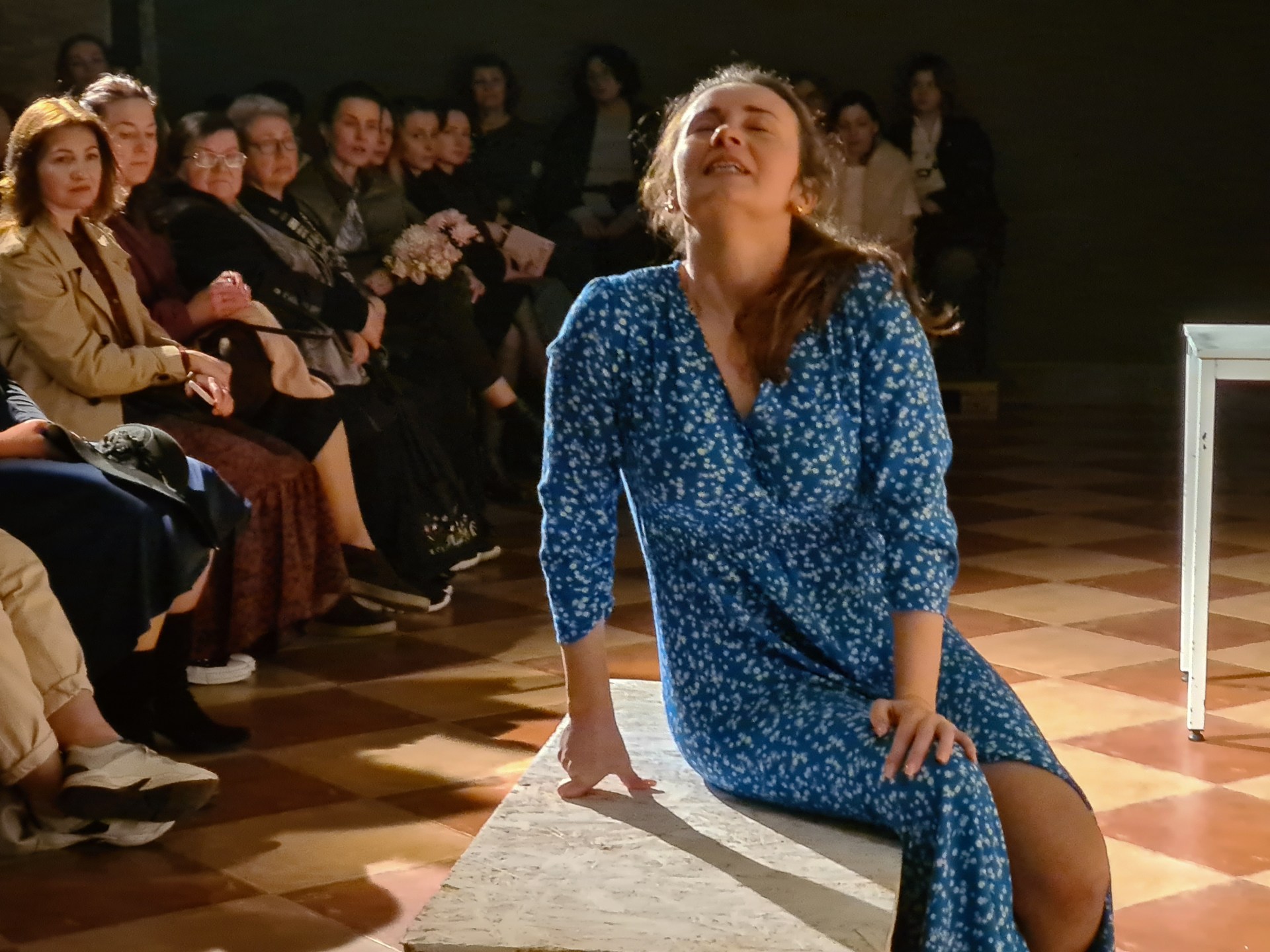
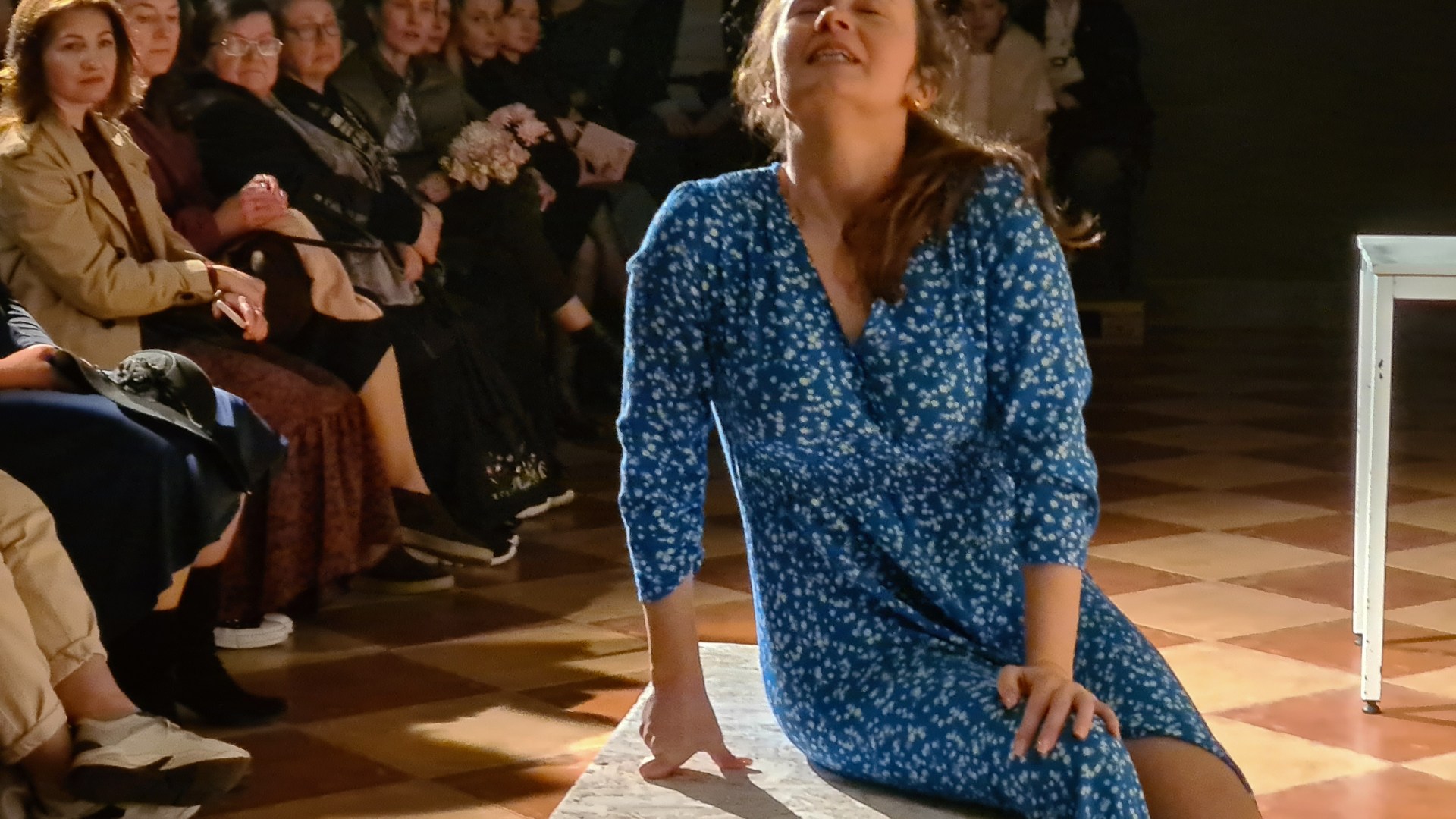
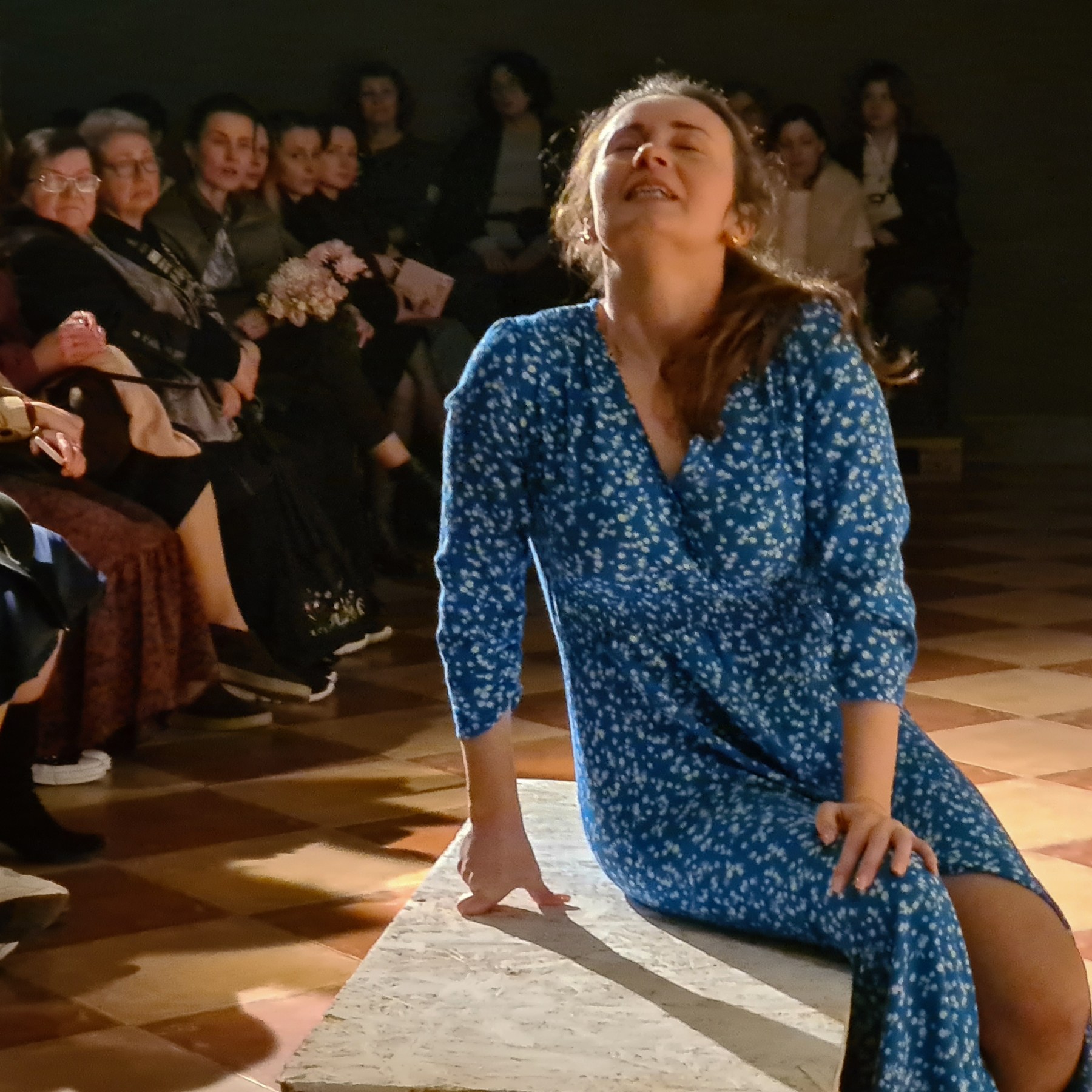
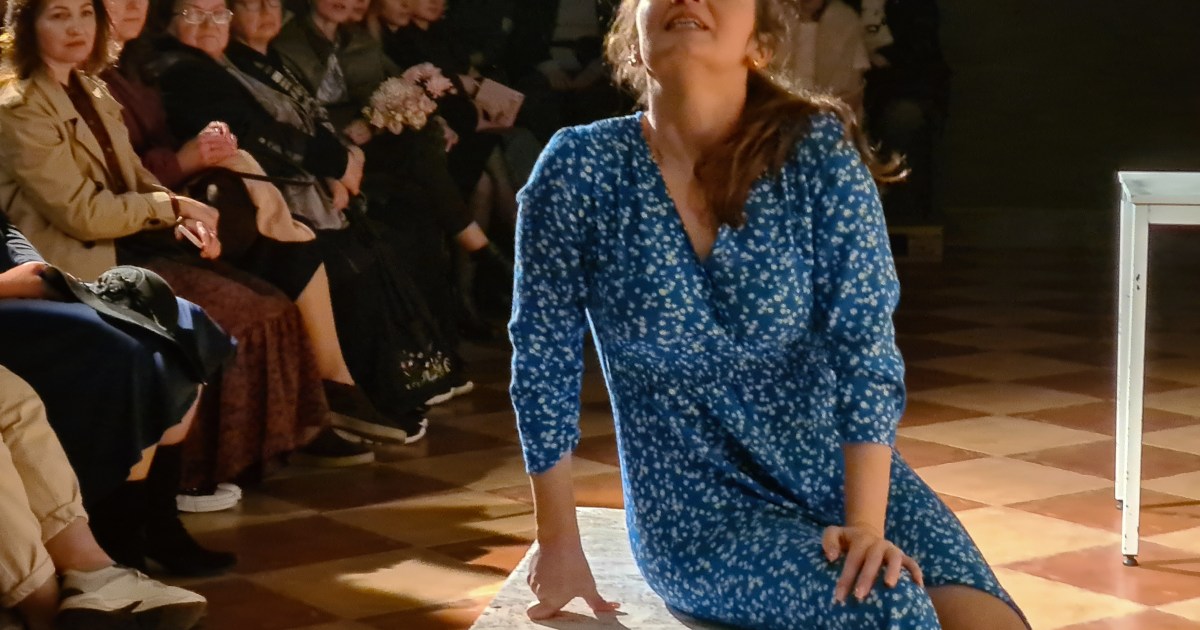
Maryna, the main heroine of Twenty One, a play staged in the tiny, basement-based Veterans’ Theatre in central Kyiv, has only one wish – that her soldier husband Petro comes back alive.

She is also obsessed with incubating the egg her hen hatched before dropping dead.

Living modestly in a rural house, Maryna frantically raises tens of thousands of dollars online to buy drones, weapons and power generators for the front line.

That’s the ransom she thinks she pays for Petro’s life to an obnoxious woman in a black leather coat who personifies death and whose visits Maryna imagines.

Despite an injection of magic realism, the play is “our reality,” actress Kateryna Svyrydenko, who plays Maryna, told Al Jazeera.

“There is enough of everything, one can cry, laugh, think,” she said between a rehearsal and a performance in the jam-packed theatre.

Founded in 2024, the Veterans’ Theatre functions as a four-month-long school for servicemen, their wives or widows who want to become playwrights.

Discussed and dissected by fellow veteran students and professional instructors, their plays are staged at their graduation and then make their way to other Ukrainian theatres, serving as thespian therapy for the authors, actors and audiences.

The soldiers-turned-playwrights tell about their wounds, amputations, contusions or captivity.

Their wives and widows act out their pain and fears that are often overshadowed by their men’s hardships.

Actress Svyrydenko’s husband went missing on the front line in 2022, six months after Russia’s full-scale invasion began.

“I can’t express in words how difficult, how heavy it is. The waiting and the incognisance,” said Svyrydenko, still clad in her character’s blue-and-white dress.

But what’s even more crushing is the emotional withdrawal and sad silence of her seven-year-old son, Semen.

“He very rarely allows himself to cry at night. Very rarely,” she said with restraint.

Twenty One is an autobiographical piece written by Olha Murashko, a publicist and campaigner who raises money for arms and gear that ends up on the front line, where her husband still is.

The plot resonates with soldiers’ wives and widows.

Some say that “if there is no happy end in my life, for a split second I believed that a happy end is possible,” the play’s director Kateryna Vyshneva told Al Jazeera.

The Veterans’ Theatre seizes the zeitgeist so that future generations have firsthand knowledge of the war.

“We have to talk about the war using the words of its participants, through the eyes of those who survived it,” Vyshneva said. “It’s important to document the here and now while it hurts, while it’s hot, it’s burning, while it means something.”

Last year, Oleksandr Tkachuk, a 36-year-old veteran and documentary filmmaker, staged his first play, A Military Mom.

Written by military medic Alyna Sarnatska, it retells her ordeal of being torn between the front line and her child.

The act of reliving one’s pain on stage is therapeutic as “a side effect of art”, Tkachuk said. “They realise [their trauma], they break it down, they relive it, let it pass through them, not just in flashbacks, but as a clear, calm memory.”

Twenty-one days is what it takes an egg to hatch and a human fetus to develop a heartbeat.

That’s what Maryna knows after going through lost hope and miscarriages before she could give birth to her daughter, Alyna.

But Alyna has never lived in peace.

While pregnant with her in 2014, Maryna joined crowds at Kyiv’s Independence Square during anti-government protests known as the Revolution of Dignity or Maidan Revolution. The current war exacerbates Alyna’s teenage confusion and rebellion – she argues with her mother, bickers with a grumpy neighbour, draws Ukrainian flags on asphalt – and silently, desperately waits for her dad’s calls or messages.

But her dad goes incommunicado for more than two weeks.

Meanwhile, on the other side of the stage, two soldiers from his unit are trying to evacuate a dying brother-in-arms, only to be killed by a Russian strike.

Worried sick, Maryna is twisted with pain and tears – along with most of the audience.

That is what director Vyshneva calls a collective catharsis.

“They reached a unison, a resonance” with Maryna, “breathed with her, and waited for her husband with her,” she said.

Maryna’s agony is interrupted by Alyna’s cry: “Daddy called! Looks like the egg hatched!”

And every viewer lets out a sigh of relief, even though their tears keep rolling.