buzzfeed Press
Misty Copeland Told Me She Was Houseless, Called A "Prodigy" At 13, And More Things That Surprised Me
Images
1 / 18
2 / 18

3 / 18
4 / 18
5 / 18
6 / 18
7 / 18
8 / 18
9 / 18
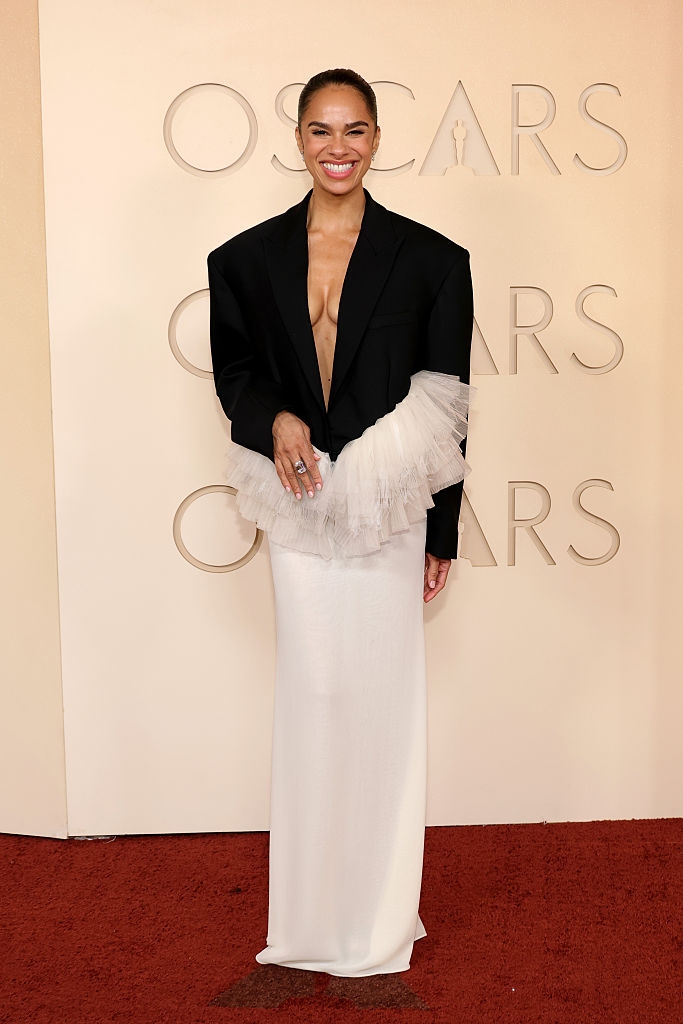
10 / 18
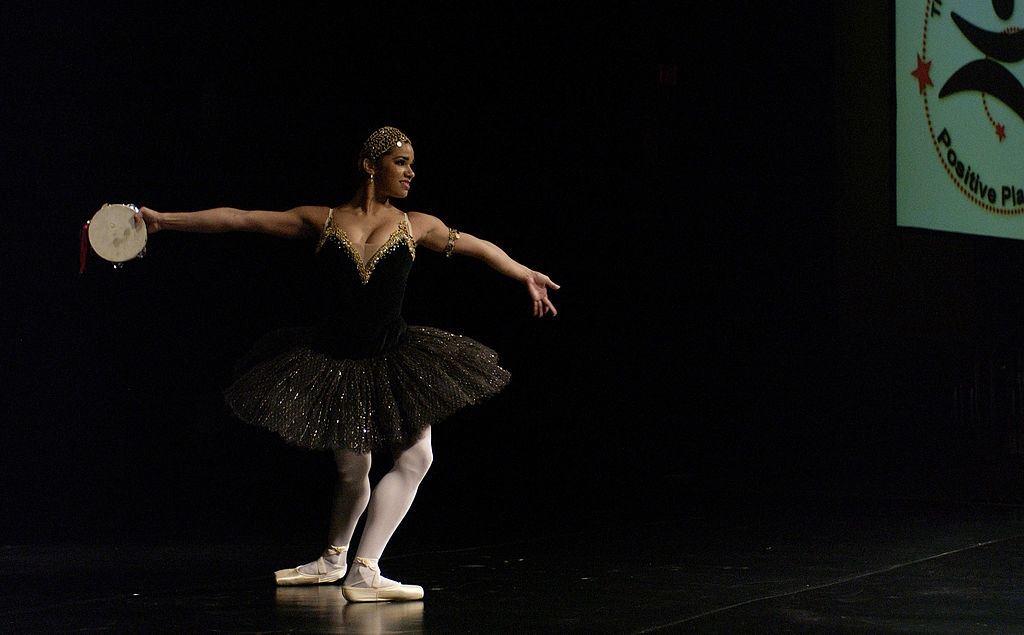
11 / 18
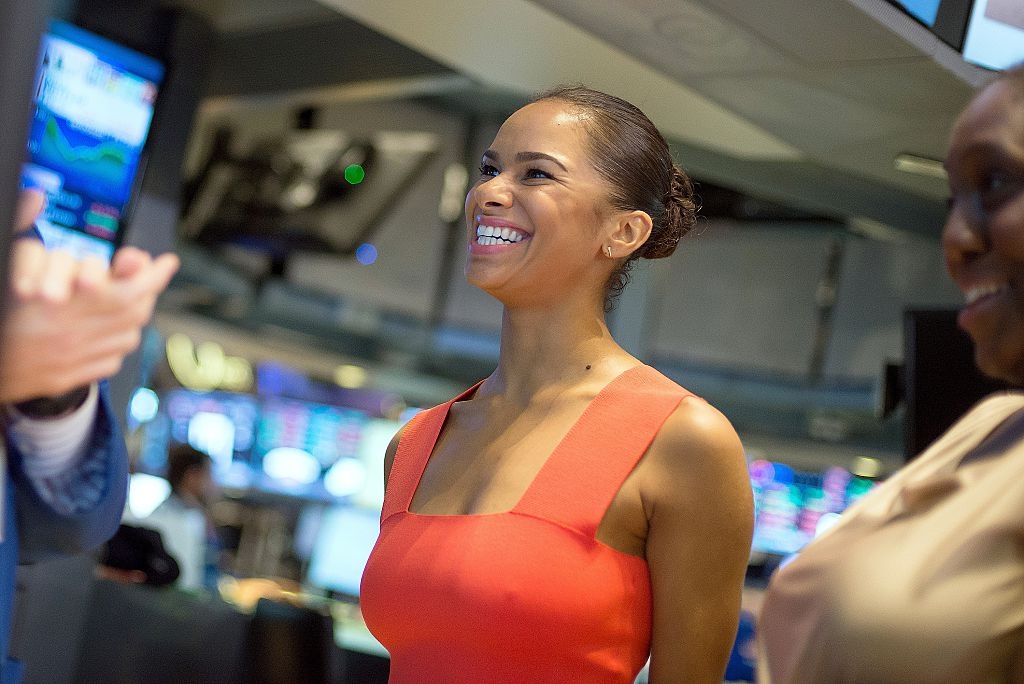
12 / 18
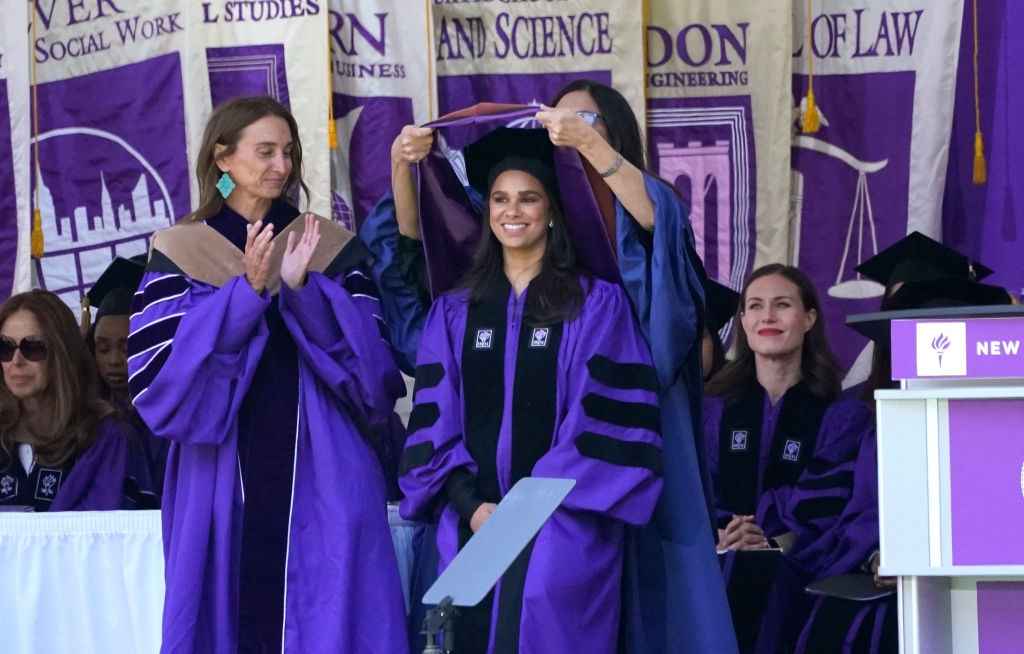
13 / 18
14 / 18
15 / 18
16 / 18
17 / 18
18 / 18
People kept telling Misty she was in "Sinners" — what happened next led her to the Oscars.

I’m Karlton, the Senior Editor and Operations Lead here at BuzzFeed, I work with the sponsorships and branded teams, but also write and edit a wide variety of articles.Over the past five years, I've also written and edited a variety of topics, from celeb interviews to politics and sports.

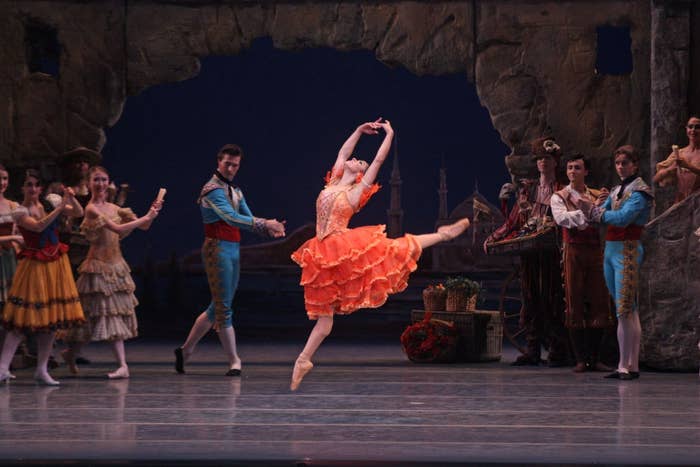
"I never thought, 'Oh my gosh, I want to be a ballerina,' Misty explained. "That never crossed my mind. It was really a teacher investing in me, seeing potential and giving me an opportunity, and it was at the Boys and Girls Club at the community center I grew up going to when I was 13 years old. I was told I was a prodigy from the very first ballet class that I was pushed into taking on a basketball court at the club."

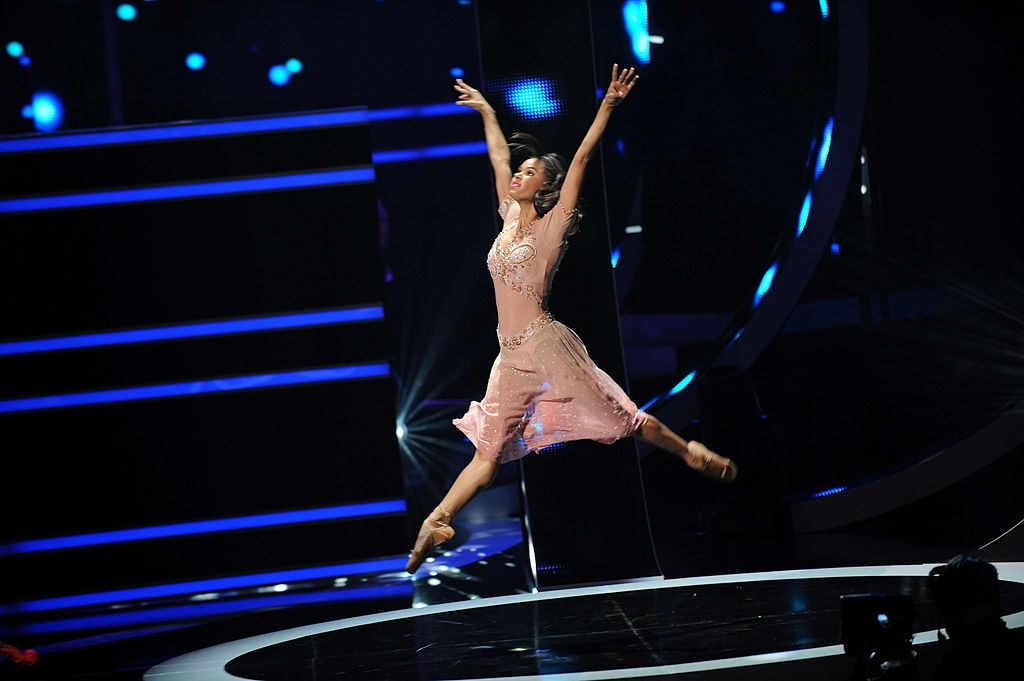
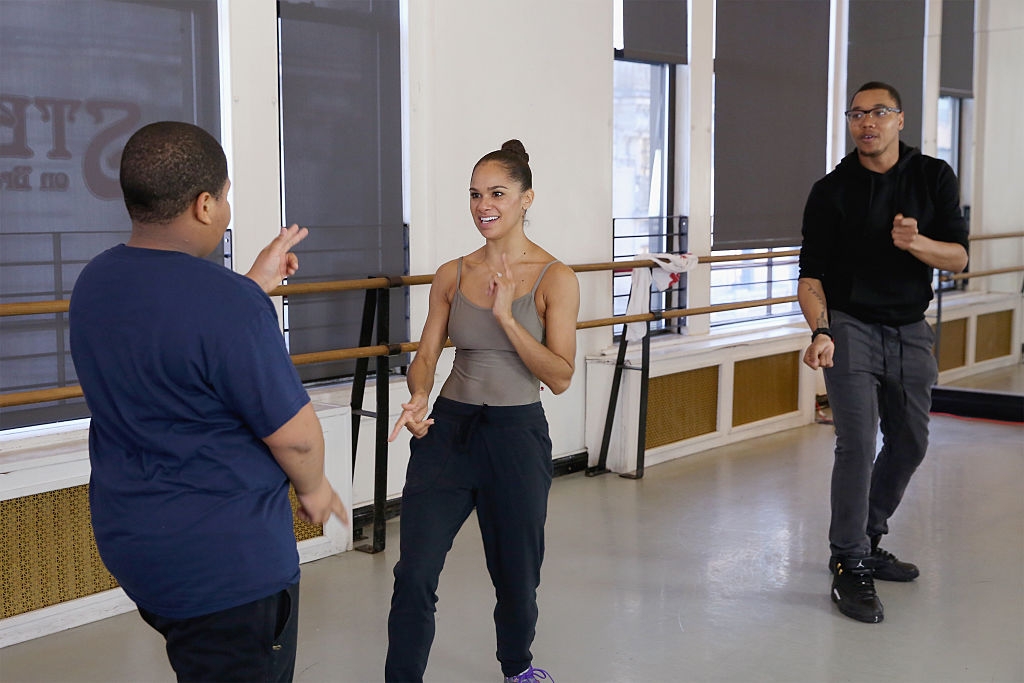
"It wasn't until I was in an actual ballet studio, wearing the proper attire, mirrors in front of me, holding on to that bar, that it changed the way I looked at what was possible for me in my life," Misty admitted. "It made me feel like, 'Oh, I can be more than my circumstances.' I grew up houseless for most of my upbringing, so I was nowhere near the experience of becoming a ballerina. And so it was this beautiful, graceful, grounded, safe environment that I never experienced. To be in a room and to not feel like there's just noise and chaos was incredible. And I was like, 'Okay, this is what life can be like. I can't not have this in my life.' And that was it for me. Within four years, I was in New York City dancing professionally for the American Ballet Theatre."

"When I was on the basketball court taking this free ballet class with all these kids that looked, you know, we all looked so different," she stated. "We had different body types, and that was the point that my ballet teacher was looking for diverse students to bring into her school and scholarship, and I happened to be one of them."

"I think that women of color are not a monolith, and that we don't all have the same experiences in the same bodies. But the same kind of words and negativity are used around our bodies, whether or not they look the same. That's kind of been my experience with being in the classical ballet world: I think that I appear more muscular in photographs and on stage. And I think that just being a Black dancer and in this skin and in this body that people will typecast you, and they will not give you a fair shake when it comes to certain roles. And so I think that by using my voice in the ways that I have and advocating for my own talent has allowed me to build a certain confidence and be able to really challenge those norms. I think also by having an incredible community and support system, specifically of Black women who have been there for me and really pushed me to stand up for myself, and how to navigate being the only or being the first in a space. And so I've been very fortunate. It's definitely helped me and led me in how I'm navigating other spaces."

"I'm 43 years old, I have a 4-year-old son," she said. "I've kind of transitioned out of professional ballet. I still want to continue performing, and I'm still very much an athlete, and I'm very active, but my life looks different, and I still want to be really intentional with how I'm taking care of myself in this next phase. I've used Thorne products and supplements, and they're just such an incredible, trusted brand that really is rooted and stands on science. [Thorne is] creating this safe space and community to have these types of conversations in a real way. It feels very informed, but also very unique to different women's experiences."

"I've never really had any interest in acting. I mean, what I do as a dancer, it's all storytelling and movement through the language. But with this, with this Thorne campaign, you're actually going to see some acting from me. They made me feel really comfortable with sharing my journey through this campaign."

"When we approach this partnership [with Thorne], it's to have these real conversations," she explained. "Everyone's different, and everyone's hormones are different. I think there's something so beautiful about being able to have those real types of conversations, that are experiences that everyone will experience at some point in their life."

"I was having a conversation with one of my really good girlfriends recently about freezing her eggs, and she just had no idea about anything from that world and what that process would look like," Misty explained. "And I definitely think that having become a mother; we froze embryos, we went through the whole IVF journey, but I ended up having my son naturally. [It] was a surprise, it wasn't the journey I wanted to go on, because I wanted to be able to be in control of the health of the embryos. I was 39 years old, but it definitely was a wake-up call about the importance of really understanding what's going on with our bodies as women, and being really informed and listening to our bodies and finding community and finding a team that sees you and understands you."

"What I gained from being a part of the ballet world, it's not been [about] the success. It's [not about] all of the things, maybe that people see, these shiny things. But it's really been [about] the tools that it's given me and how it's made me a leader. It's made me the person that I am. It's given me the confidence, it's given me the voice that I have. And to me, it's been important that I speak to those things, that it's not just about getting into these big companies and going on stage and doing these roles, but how important arts education and dance education are for our society, how unifying it is. Specifically, where we're at in the world, just how vital and how important it is for us to have art, and I think that's something that I hope that I will leave behind: the access and the opportunity that I want to give to communities that wouldn't otherwise feel they could be a part of it."

"Through the Misty Copeland Foundation, we have our first really public-facing benefit that's happening on April 29 in New York City. And so people can be a part of it. They can donate. They can go online to the Misty Copeland Foundation website and contribute or get tickets and come and see what we're all about, and the programs that we run in Harlem, in the Bronx, bringing free ballet to those communities. That, to me, is the heart of everything I'm doing right now."

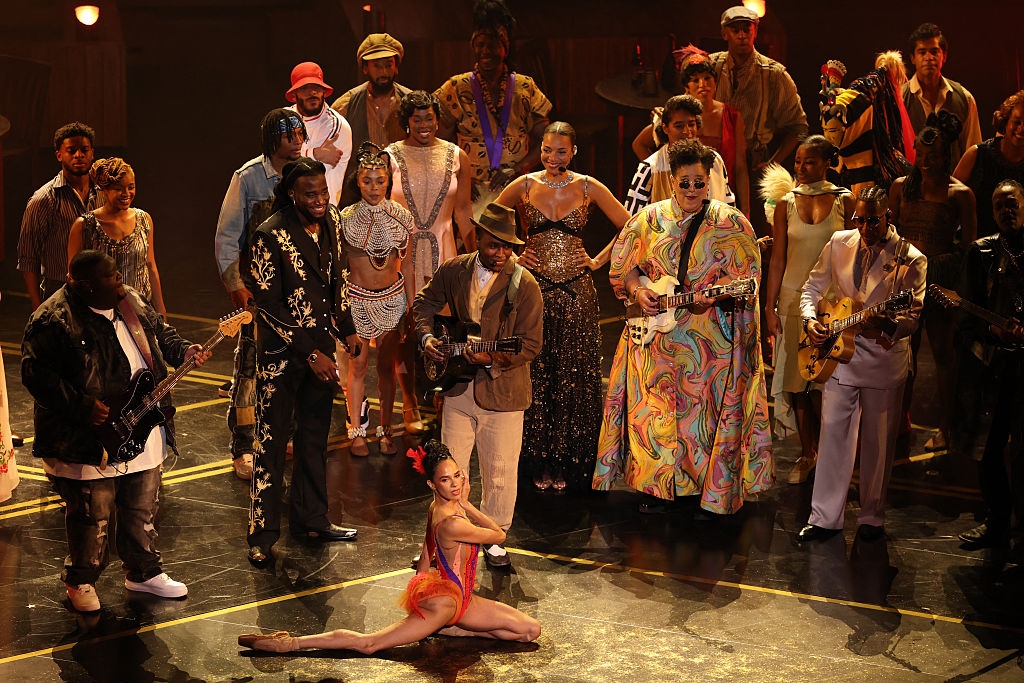
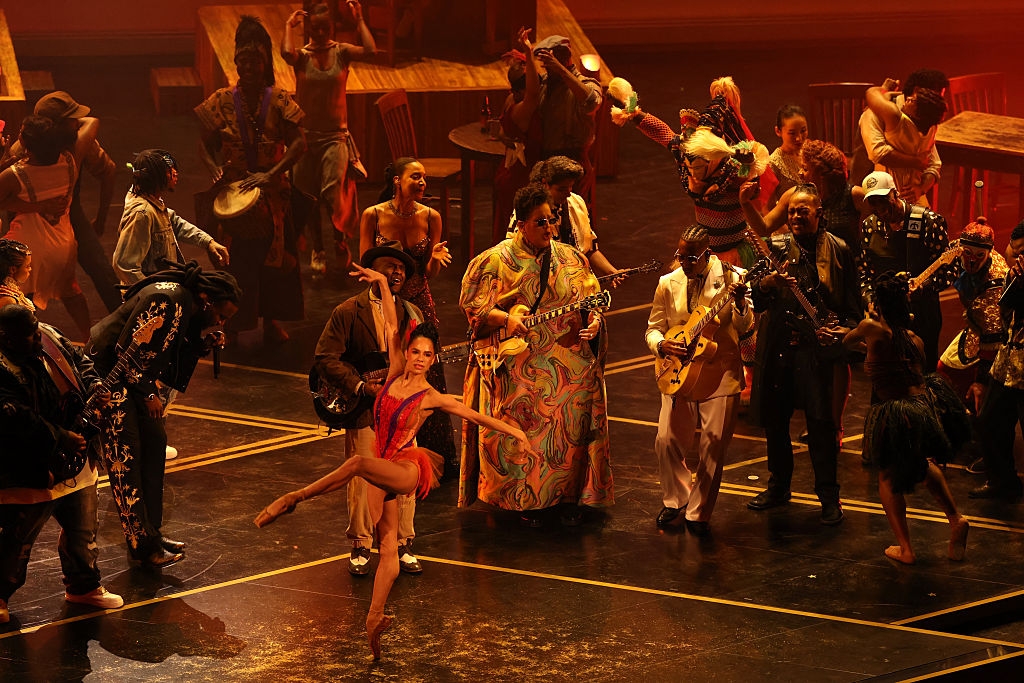
"It took me a minute to see [Sinners]. And I remember so many people approaching me, and they were like, 'You were in the movie.' And I was like, 'What are you talking about?' But there's a Black ballerina in that beautiful scene. And I learned later that it was inspired by me in the role of the Firebird. And so, there was a hope that at one point we would collaborate. And so, Ryan Coogler was like, let's try and get Misty."

"[Ryan Coogler] called, and I'm still fresh off my hip replacement," Misty elaborated. "And they said, 'Well, you can just come on stage and move your arms.' And I was like, 'Well, I don't want to do that. I want to do more. So let's see what I can do.' It just felt like such an important moment, with what the movie means, what that scene in particular means for the history of Black people and Indigenous people, and the importance of dance and art and music, again, on society. It's literally encapsulating all of that. And so I was like, 'Damn it, I'm gonna make this work. I'm gonna put my point shoes on and do something!'"

"I would love to work with Frank Ocean, Kendrick Lamar. And more visual artists like Nathaniel Mary Quinn, who's a friend of mine, but to really work in an artistic performance way. I know there are so many people I would want to work with, but that's a good start."