yahoo Press
XRP and Bitcoin Price: The Fed Just Held Rates and Raised Inflation Forecasts—Here’s What It Means for BTC and XRP
Images
1 / 5
2 / 5

3 / 5

4 / 5
5 / 5
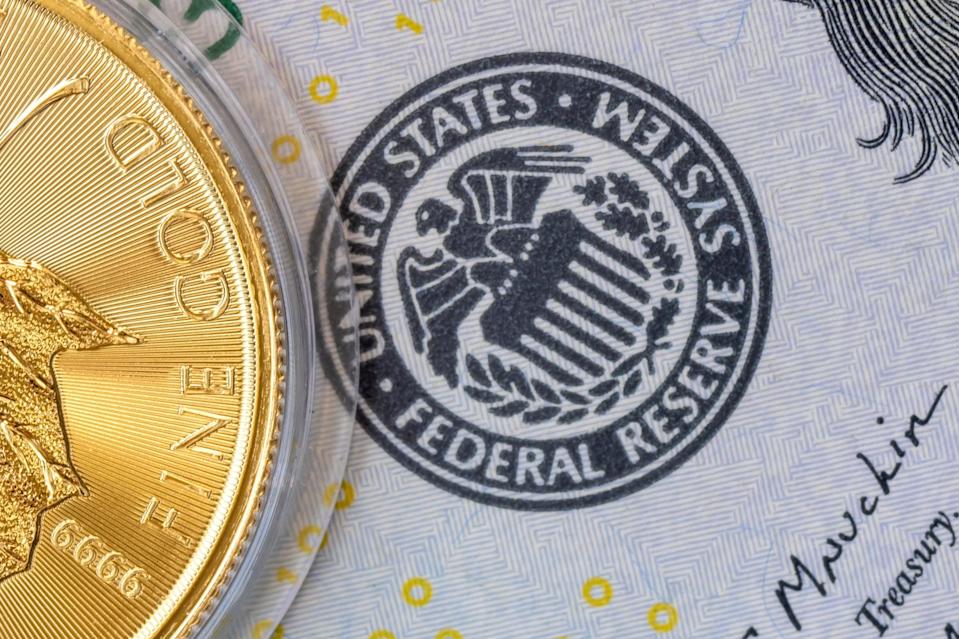
The Fed held rates at 3.50-3.75%, raised its 2026 inflation forecast to 2.7%, and the dot plot stayed at one cut even as seven of 19 members now expect zero cuts this year.

Bitcoin has now dropped after eight of the last nine FOMC meetings, and this session was amplified by a hot PPI reading, Israeli strikes on Iran’s largest gas facility, and $158 million in liquidations within four hours.

Futures markets pushed the first expected rate cut to December 2026 at the earliest, leaving Bitcoin stuck in a $65,000-$75,000 range and XRP range-bound between $1.30 and $1.50 unless the CLARITY Act or ETF inflows provide an independent catalyst.

A recent study identified one single habit that doubled Americans’ retirement savings and moved retirement from dream, to reality. Read more here.

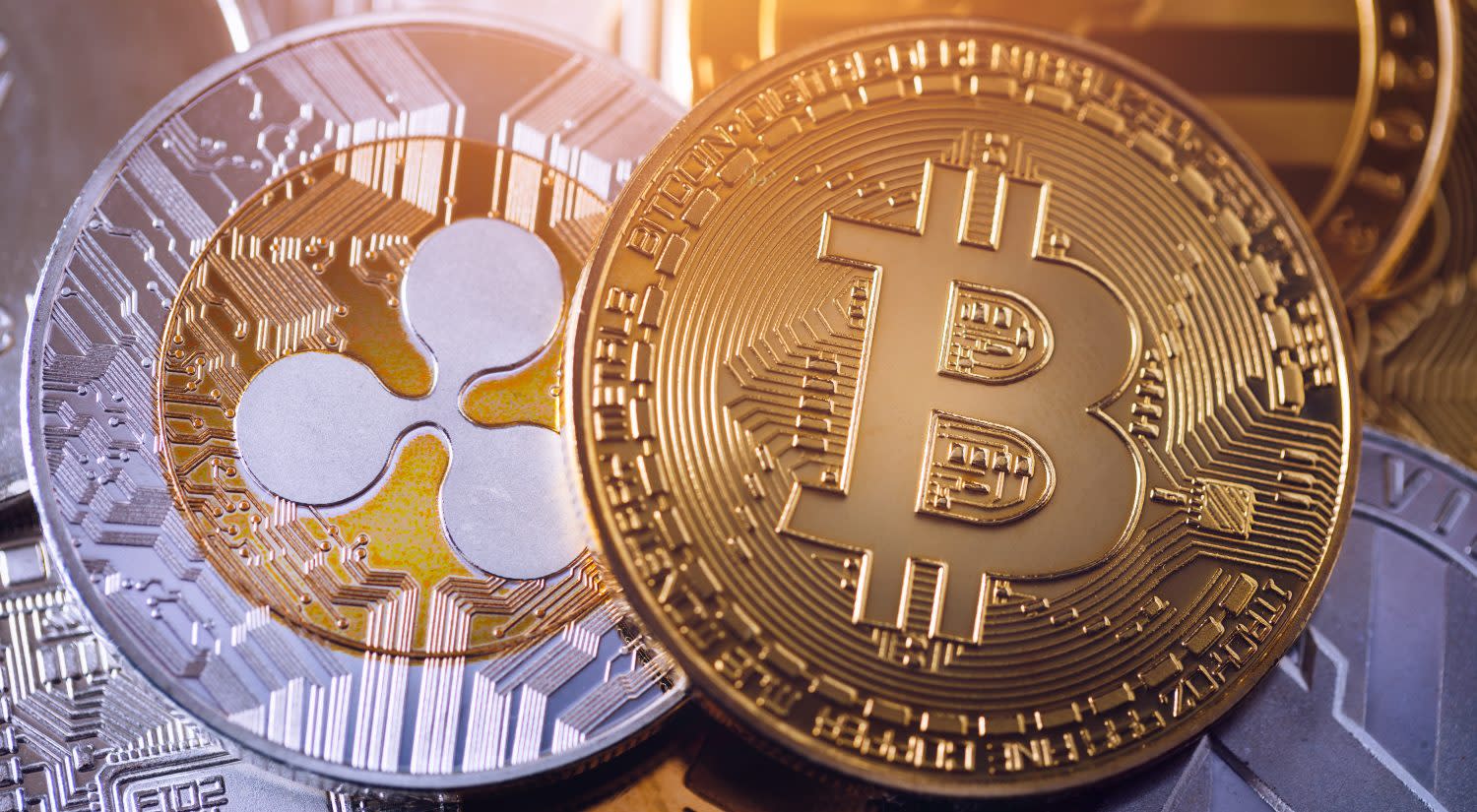
Bitcoin (CRYPTO: BTC) and XRP (CRYPTO: XRP) dropped after the Federal Reserve's March 18 rate decision. Bitcoin fell roughly 5% to around $70,500 while the XRP price slid from above $1.50 to $1.45. Over $158 million in leveraged longs were liquidated within four hours of the news, and the total crypto market cap fell below $2.5 trillion.

The rate hold wasn't a surprise, as markets had a 99% chance of no cut priced in. The real surprise was everything else that happened in the same session. There was a hotter-than-expected inflation reading. Israel struck Iran's largest gas facility, pushing oil back above $97. Then Powell told reporters the Fed hasn't made as much progress on inflation as anticipated.

Read: Data Shows One Habit Doubles American’s Savings And Boosts Retirement

Most Americans drastically underestimate how much they need to retire and overestimate how prepared they are. But data shows that people with one habit have more than double the savings of those who don’t.

With the Fed now projecting higher inflation and only one rate cut left for 2026, have Bitcoin and XRP lost one of the few macro catalysts that could have pulled them out of their current ranges?

The Fed held rates at 3.50% to 3.75% for the second straight meeting, with an 11-to-1 vote. Governor Stephen Miran was the only dissent, pushing for a 25-basis-point cut. Governor Christopher Waller, who had voted for a cut at the January meeting, changed his vote to hold this time. With Waller pulling back, the pressure inside the Fed to start cutting again is fading.

The dot plot is where each FOMC member projects their expected rate path for the year. The median stayed at one cut for 2026, same as December, but the individual projections shifted. Powell said four or five members moved from expecting two cuts to just one. Seven of the 19 members now expect zero cuts this year, up from six in December.

The Fed raised its 2026 inflation forecast. Headline PCE went from 2.4% to 2.7%, and core PCE, which strips out food and energy and is the number the Fed watches most closely, went from 2.5% to 2.7%. Powell told reporters the oil shock "for sure shows up" in the projections and that the Fed hasn't made "as much progress on inflation as we had hoped."

Powell dismissed comparisons to stagflation but acknowledged the "tension between goals" of keeping inflation down while supporting employment. He said the Fed is looking for progress on inflation by mid-2026, and added that if they don't see it, "you won't see that rate cut." By the end of the press conference, futures markets had priced in zero cuts for the rest of 2026.

The Bitcoin price has now dropped after eight of the last nine FOMC meetings, going back to early 2025. The pattern held even during meetings where the Fed actually cut rates. In January 2026, the Fed held exactly as expected and BTC still fell 7.3% within 48 hours, from $90,400 to $83,383.

The reason is mechanical is that most traders position ahead of the event and sell once it passes, regardless of what the Fed actually says. The XRP price follows the same pattern because it tracks Bitcoin closely during these kinds of selloffs.

On top of the usual sell-the-news dynamic, this meeting came with additional pressure. February's producer price index, which measures wholesale inflation before it reaches consumers, came in at 0.7%. This is more than double the 0.3% economists expected. Earlier in the day, Israeli strikes hit South Pars, Iran's largest natural gas facility that supplies around 70% of the country's domestic gas, and oil prices rose to $107 a barrel on the international benchmark—the highest since July 2022.

Over $158 million in leveraged long positions—traders who had bet on prices going up using borrowed money—were liquidated within four hours of the Fed announcement. That forced selling pushed Bitcoin and XRP lower than the news alone would have. Stocks also dropped alongside crypto—the Dow fell over 600 points at session lows while the S&P 500 and Nasdaq both lost around 1.4% to 1.5%.

Rate cuts are now further away than they were before the meeting. Futures markets pushed the first expected cut to December 2026 at the earliest, with some pricing extending into January 2027. Goldman Sachs still sees room for two cuts this year, but JPMorgan thinks the Fed may not cut at all in 2026 and could even consider a hike in 2027 if inflation stays persistent. Lower rates tend to push money into higher-risk investments like crypto because safer options like bonds and savings accounts pay less, and with cuts delayed, that tailwind isn't coming anytime soon.

The Bitcoin price is stuck in a $65,000 to $75,000 range, and this decision pushed the $100,000 level further out of reach. Altcoin rotation might not start until Bitcoin clears $100,000. BTC dominance is at 58.6%, which means capital is staying in Bitcoin rather than flowing down to assets like XRP. Without rate cuts or something else to bring buyers back, Bitcoin doesn't have a clear path out of this range.

XRP tends to get hit harder than Bitcoin when rates stay high because it relies more on the kind of speculative buying that only shows up when money is cheap. That's why it's been stuck between $1.30 and $1.50 since mid-February.

XRP does have catalysts that Bitcoin doesn't right now. The CLARITY Act is still moving through the Senate with a deadline by the end of April. XRP ETF inflows have slowed to $1.9 million a week, but total assets have reached $1.4 billion since launching. If the CLARITY Act passes and ETF demand picks back up, the XRP price can move independently of the Fed. Without those, it stays range-bound at $1.40-$1.50.

Bitcoin has dropped after almost every FOMC meeting over the past year, but the selling has also tended to fade within about 48 hours each time. After the January hold, BTC bottomed two days later and recovered over the following weeks. If the same pattern plays out here, the March 19-20 window is where the post-FOMC low is most likely to form. That doesn't mean a breakout, but it reflects a possible bounce back into the same range.

The May 6-7 FOMC meeting is the next date that could actually shift the market’s direction. It's the last meeting Powell is scheduled to lead before his term expires on May 15, and if oil prices cool and inflation data softens by then, the Fed could start signaling that a cut is back on the table for later in the year.

Kevin Warsh's confirmation as the new Fed Chair is also unresolved. Senator Tillis is holding up the nomination over a DOJ probe into the Fed's headquarters renovation, and until Warsh is confirmed, Powell stays in the chair. For now, Bitcoin and XRP are range-bound, and the catalysts that could change that are still weeks away.

Most Americans drastically underestimate how much they need to retire and overestimate how prepared they are. But data shows that people with one habit have more than double the savings of those who don’t.

And no, it’s got nothing to do with increasing your income, savings, clipping coupons, or even cutting back on your lifestyle. It’s much more straightforward (and powerful) than any of that. Frankly, it’s shocking more people don’t adopt the habit given how easy it is.