yahoo Press
Prediction: Costco Will Surge After March 5th
Images
1 / 4
2 / 4

3 / 4

4 / 4
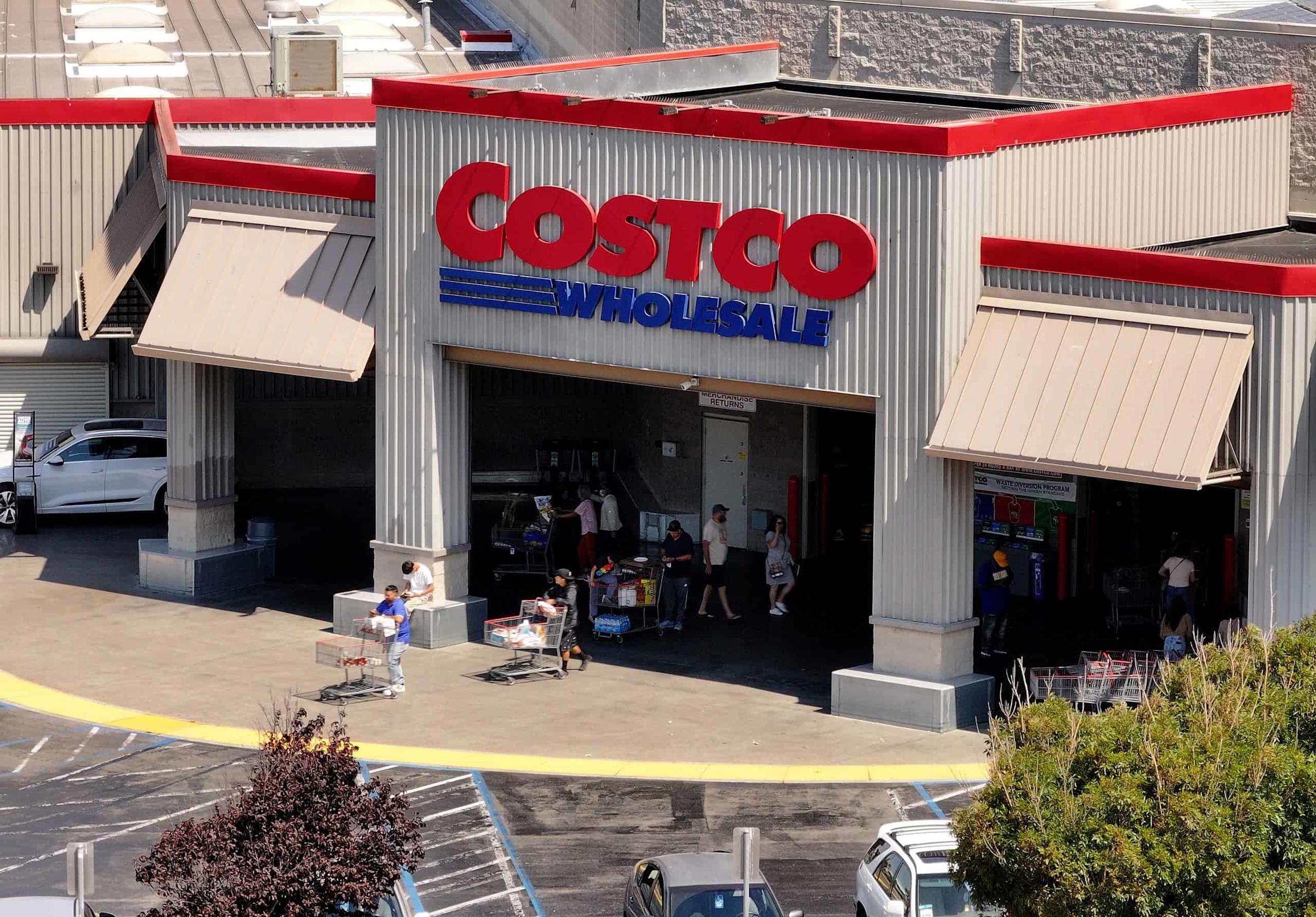
Costco (COST) is up 17.03% YTD to $1,007.77, with membership fee income of $1.329B (up 14.0%), e-commerce sales up 20.5%, an 89.7% renewal rate, and a 12-month price target of $1,052.94.

The September 2024 membership fee increase provides recurring revenue at near-100% margins independent of consumer behavior, creating a structural earnings tailwind as e-commerce growth accelerates.

The analyst who called NVIDIA in 2010 just named his top 10 AI stocks. Get them here FREE.

Costco shares have climbed 17% year-to-date, reaching $1,007.77 to close out March 3rd,  a stark contrast to the S&P 500, which is essentially flat at -0.24% YTD. Yet despite that outperformance, broader sentiment around the stock remains cautious, with tariff uncertainty and rising labor costs weighing on investor confidence in the consumer defensive space. The underlying business, however, continues to compound quietly and consistently. Membership renewal rates are holding firm, e-commerce is accelerating, and cash generation is strengthening. With earnings on March 5, 2026 approaching, the setup is in place for Costco to reset the narrative.

The most important thing to understand about Costco's earnings model is that a significant portion of its profit is essentially pre-collected. Membership fee income hit $1.329 billion in Q1 FY2026, up 14.0% year-over-year, and that revenue stream carries near-100% margins. With 81.4 million paid memberships and a worldwide renewal rate of 89.7%, the fee base is both large and sticky. The September 2024 membership fee increase continues to flow through the income statement, providing a structural tailwind that doesn't depend on consumer spending behavior.

Beyond membership, Costco's e-commerce channel is delivering outsized growth. E-commerce comparable sales rose 20.5% in Q1 FY2026, with site traffic up 24% and average order value up 13%. That momentum has been consistent across recent quarters — digital comp sales have ranged from 13.6% to 20.9% over the past four quarters — and shows no sign of plateauing.

READ: The analyst who called NVIDIA in 2010 just named his top 10 AI stocks

The earnings beat track record reinforces the bull case. Costco has beaten EPS estimates in eight consecutive quarters, with surprise margins ranging from 0.86% to 6.32%. Prediction markets are pricing in continued outperformance: Polymarket currently shows a 92.5% probability that Costco beats quarterly earnings, with the market expiring on March 5. Full-year analyst estimates reflect sustained growth, with quarterly earnings growth running at 11.4% year-over-year — well above the broader market average. That combination of recurring revenue visibility, digital acceleration, and a consistent beat pattern positions Costco well heading into Thursday's print.

Costco trades at a forward P/E of 49.75x — a meaningful premium to the broader market. That premium is justified by the earnings growth profile: quarterly earnings growth of 11.4% year-over-year, underpinned by a membership model that generates predictable, high-margin fee income regardless of macroeconomic conditions. The business also carries a return on equity of 30.3%, which reflects the capital efficiency of the warehouse model at scale.

Analyst consensus supports the upside case. The 12-month consensus price target stands at $1,052.94, implying roughly 4.5% upside from current levels. Of the 37 analysts covering the stock, 23 carry Buy ratings versus 12 Holds and just 2 Sells. The stock is currently trading below its 52-week high of $1,062.65, meaning it hasn't fully recovered from last year's pullback even as the business has continued to strengthen. With membership income compounding, e-commerce accelerating, and a near-unbroken streak of earnings beats, Thursday's results represent the most immediate catalyst for the stock to close that gap.

Any word on a Costco special dividend will immediately send the stock higher. Costco has a history of returning excess cash to shareholders through large special dividends, typically every few years when its balance sheet builds significant surplus cash. The company paid $7 per share in 2012, $5 in 2015, $7 in 2017, $10 in 2020, and most recently $15 per share in late 2023, its largest payout ever. These one-time distributions have become a recurring feature of Costco’s capital return strategy and are closely watched by investors, as announcements have historically served as a positive catalyst for the stock.

Wall Street is pouring billions into AI, but most investors are buying the wrong stocks. The analyst who first identified NVIDIA as a buy back in 2010 — before its 28,000% run — has just pinpointed 10 new AI companies he believes could deliver outsized returns from here. One dominates a $100 billion equipment market. Another is solving the single biggest bottleneck holding back AI data centers. A third is a pure-play on an optical networking market set to quadruple. Most investors haven't heard of half these names. Get the free list of all 10 stocks here.